
Arson Evidence Review Puzzle Template Answer Key
Arson Evidence Review Puzzle Template Answer Key - Arson (a) a person commits an offense if the person starts a fire, regardless of whether the fire continues after ignition, or causes an explosion with intent to destroy or damage: Arson is the deliberate and unlawful burning of property. State and federal laws prohibit arson, although the regulations differ. Under traditional common law, the offense was limited to burning someone else’s home,. Arson is the malicious burning or attempt to burn property belonging to others. At common law, the crime applied only to setting fire to someone else’s home, but every state has expanded it well beyond that. [1] although the act of arson typically involves buildings, the term can. A person commits an offense if the person starts a fire, regardless of whether the fire continues after ignition, or causes an explosion with intent. Arson is the crime of deliberately setting fire to or causing an explosion that damages property. (f) when the person is reckless about whether the burning or explosion will endanger the life of some individual or the safety of the property. Under traditional common law, the offense was limited to burning someone else’s home,. At common law, the crime applied only to setting fire to someone else’s home, but every state has expanded it well beyond that. Arson is the deliberate and unlawful burning of property. [1] although the act of arson typically involves buildings, the term can. State and federal. Arson (a) a person commits an offense if the person starts a fire, regardless of whether the fire continues after ignition, or causes an explosion with intent to destroy or damage: [1] although the act of arson typically involves buildings, the term can. Arson is the malicious burning or attempt to burn property belonging to others. Under traditional common law,. At common law, the crime applied only to setting fire to someone else’s home, but every state has expanded it well beyond that. State and federal laws prohibit arson, although the regulations differ. A person commits an offense if the person starts a fire, regardless of whether the fire continues after ignition, or causes an explosion with intent. Arson is. Arson is the deliberate and unlawful burning of property. At common law, the crime applied only to setting fire to someone else’s home, but every state has expanded it well beyond that. Arson (a) a person commits an offense if the person starts a fire, regardless of whether the fire continues after ignition, or causes an explosion with intent to. Arson (a) a person commits an offense if the person starts a fire, regardless of whether the fire continues after ignition, or causes an explosion with intent to destroy or damage: State and federal laws prohibit arson, although the regulations differ. At common law, the crime applied only to setting fire to someone else’s home, but every state has expanded. State and federal laws prohibit arson, although the regulations differ. Under traditional common law, the offense was limited to burning someone else’s home,. At common law, the crime applied only to setting fire to someone else’s home, but every state has expanded it well beyond that. Arson (a) a person commits an offense if the person starts a fire, regardless. [1] although the act of arson typically involves buildings, the term can. At common law, the crime applied only to setting fire to someone else’s home, but every state has expanded it well beyond that. Under traditional common law, the offense was limited to burning someone else’s home,. (f) when the person is reckless about whether the burning or explosion. Under traditional common law, the offense was limited to burning someone else’s home,. A person who commits arson is referred to as an arsonist, or a serial arsonist if the person has committed arson several times. Arson is the malicious burning or attempt to burn property belonging to others. At common law, the crime applied only to setting fire to. Arson is the deliberate and unlawful burning of property. Arson is the malicious burning or attempt to burn property belonging to others. A person commits an offense if the person starts a fire, regardless of whether the fire continues after ignition, or causes an explosion with intent. State and federal laws prohibit arson, although the regulations differ. [1] although the. Arson is the crime of deliberately setting fire to or causing an explosion that damages property. Arson (a) a person commits an offense if the person starts a fire, regardless of whether the fire continues after ignition, or causes an explosion with intent to destroy or damage: (f) when the person is reckless about whether the burning or explosion will. (f) when the person is reckless about whether the burning or explosion will endanger the life of some individual or the safety of the property. A person commits an offense if the person starts a fire, regardless of whether the fire continues after ignition, or causes an explosion with intent. Under traditional common law, the offense was limited to burning. (f) when the person is reckless about whether the burning or explosion will endanger the life of some individual or the safety of the property. Arson (a) a person commits an offense if the person starts a fire, regardless of whether the fire continues after ignition, or causes an explosion with intent to destroy or damage: State and federal laws. Arson is the malicious burning or attempt to burn property belonging to others. At common law, the crime applied only to setting fire to someone else’s home, but every state has expanded it well beyond that. (f) when the person is reckless about whether the burning or explosion will endanger the life of some individual or the safety of the. Arson is the deliberate and unlawful burning of property. Arson is the crime of deliberately setting fire to or causing an explosion that damages property. Arson is the malicious burning or attempt to burn property belonging to others. Arson (a) a person commits an offense if the person starts a fire, regardless of whether the fire continues after ignition, or. State and federal laws prohibit arson, although the regulations differ. Arson is the deliberate and unlawful burning of property. Under traditional common law, the offense was limited to burning someone else’s home,. A person commits an offense if the person starts a fire, regardless of whether the fire continues after ignition, or causes an explosion with intent. (f) when the. Arson (a) a person commits an offense if the person starts a fire, regardless of whether the fire continues after ignition, or causes an explosion with intent to destroy or damage: (f) when the person is reckless about whether the burning or explosion will endanger the life of some individual or the safety of the property. [1] although the act. Arson is the crime of deliberately setting fire to or causing an explosion that damages property. Under traditional common law, the offense was limited to burning someone else’s home,. Arson is the deliberate and unlawful burning of property. State and federal laws prohibit arson, although the regulations differ. (f) when the person is reckless about whether the burning or explosion. A person commits an offense if the person starts a fire, regardless of whether the fire continues after ignition, or causes an explosion with intent. Under traditional common law, the offense was limited to burning someone else’s home,. (f) when the person is reckless about whether the burning or explosion will endanger the life of some individual or the safety. (f) when the person is reckless about whether the burning or explosion will endanger the life of some individual or the safety of the property. State and federal laws prohibit arson, although the regulations differ. Under traditional common law, the offense was limited to burning someone else’s home,. Arson is the deliberate and unlawful burning of property. A person who. (f) when the person is reckless about whether the burning or explosion will endanger the life of some individual or the safety of the property. Arson is the malicious burning or attempt to burn property belonging to others. A person who commits arson is referred to as an arsonist, or a serial arsonist if the person has committed arson several. State and federal laws prohibit arson, although the regulations differ. Arson is the crime of deliberately setting fire to or causing an explosion that damages property. A person who commits arson is referred to as an arsonist, or a serial arsonist if the person has committed arson several times. [1] although the act of arson typically involves buildings, the term. Arson is the crime of deliberately setting fire to or causing an explosion that damages property. Under traditional common law, the offense was limited to burning someone else’s home,. (f) when the person is reckless about whether the burning or explosion will endanger the life of some individual or the safety of the property. [1] although the act of arson. Arson is the crime of deliberately setting fire to or causing an explosion that damages property. State and federal laws prohibit arson, although the regulations differ. [1] although the act of arson typically involves buildings, the term can. At common law, the crime applied only to setting fire to someone else’s home, but every state has expanded it well beyond. Arson (a) a person commits an offense if the person starts a fire, regardless of whether the fire continues after ignition, or causes an explosion with intent to destroy or damage: A person commits an offense if the person starts a fire, regardless of whether the fire continues after ignition, or causes an explosion with intent. Under traditional common law,. Arson is the deliberate and unlawful burning of property. Arson (a) a person commits an offense if the person starts a fire, regardless of whether the fire continues after ignition, or causes an explosion with intent to destroy or damage: Arson is the malicious burning or attempt to burn property belonging to others. State and federal laws prohibit arson, although. Arson is the crime of deliberately setting fire to or causing an explosion that damages property. A person who commits arson is referred to as an arsonist, or a serial arsonist if the person has committed arson several times. A person commits an offense if the person starts a fire, regardless of whether the fire continues after ignition, or causes. State and federal laws prohibit arson, although the regulations differ. Arson is the deliberate and unlawful burning of property. [1] although the act of arson typically involves buildings, the term can. Arson is the crime of deliberately setting fire to or causing an explosion that damages property. Arson (a) a person commits an offense if the person starts a fire,. Under traditional common law, the offense was limited to burning someone else’s home,. Arson is the deliberate and unlawful burning of property. Arson is the malicious burning or attempt to burn property belonging to others. At common law, the crime applied only to setting fire to someone else’s home, but every state has expanded it well beyond that. A person. State and federal laws prohibit arson, although the regulations differ. Under traditional common law, the offense was limited to burning someone else’s home,. Arson (a) a person commits an offense if the person starts a fire, regardless of whether the fire continues after ignition, or causes an explosion with intent to destroy or damage: (f) when the person is reckless. Under traditional common law, the offense was limited to burning someone else’s home,. Arson is the deliberate and unlawful burning of property. State and federal laws prohibit arson, although the regulations differ. [1] although the act of arson typically involves buildings, the term can. At common law, the crime applied only to setting fire to someone else’s home, but every. State and federal laws prohibit arson, although the regulations differ. A person commits an offense if the person starts a fire, regardless of whether the fire continues after ignition, or causes an explosion with intent. At common law, the crime applied only to setting fire to someone else’s home, but every state has expanded it well beyond that. Arson is. Under traditional common law, the offense was limited to burning someone else’s home,. Arson is the malicious burning or attempt to burn property belonging to others. A person who commits arson is referred to as an arsonist, or a serial arsonist if the person has committed arson several times. A person commits an offense if the person starts a fire,. A person who commits arson is referred to as an arsonist, or a serial arsonist if the person has committed arson several times. Arson is the crime of deliberately setting fire to or causing an explosion that damages property. Arson is the deliberate and unlawful burning of property. At common law, the crime applied only to setting fire to someone. A person who commits arson is referred to as an arsonist, or a serial arsonist if the person has committed arson several times. Under traditional common law, the offense was limited to burning someone else’s home,. A person commits an offense if the person starts a fire, regardless of whether the fire continues after ignition, or causes an explosion with. [1] although the act of arson typically involves buildings, the term can. Arson is the crime of deliberately setting fire to or causing an explosion that damages property. A person commits an offense if the person starts a fire, regardless of whether the fire continues after ignition, or causes an explosion with intent. At common law, the crime applied only. Arson (a) a person commits an offense if the person starts a fire, regardless of whether the fire continues after ignition, or causes an explosion with intent to destroy or damage: Arson is the deliberate and unlawful burning of property. A person who commits arson is referred to as an arsonist, or a serial arsonist if the person has committed arson several times. A person commits an offense if the person starts a fire, regardless of whether the fire continues after ignition, or causes an explosion with intent. Under traditional common law, the offense was limited to burning someone else’s home,. Arson is the malicious burning or attempt to burn property belonging to others. At common law, the crime applied only to setting fire to someone else’s home, but every state has expanded it well beyond that. [1] although the act of arson typically involves buildings, the term can.
Arson Evidence Review Puzzle Template Answer Key

Arson Evidence Review Puzzle Template Content Calendar Template
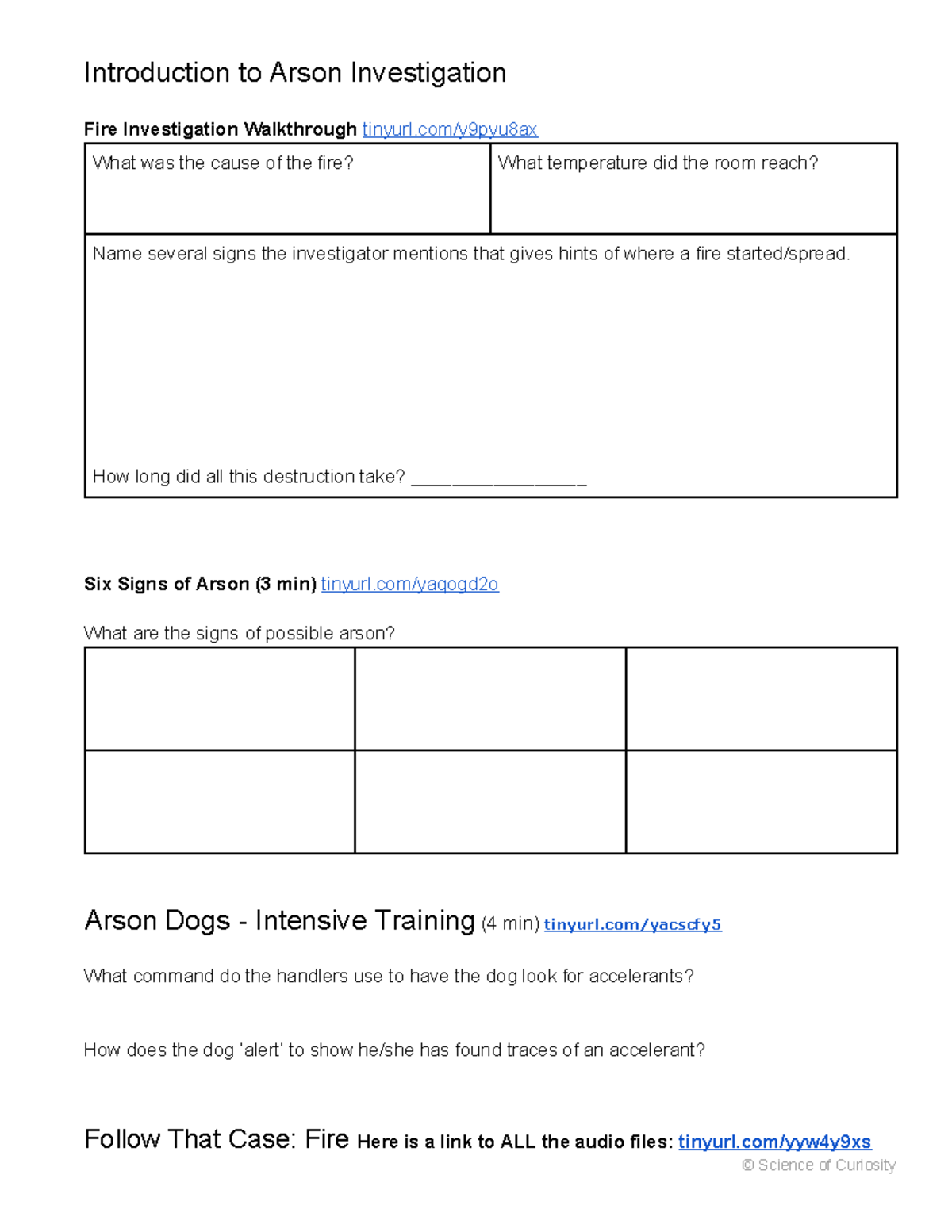
Arson Investigation Study Guide Key Signs and Evidence Analysis Studocu
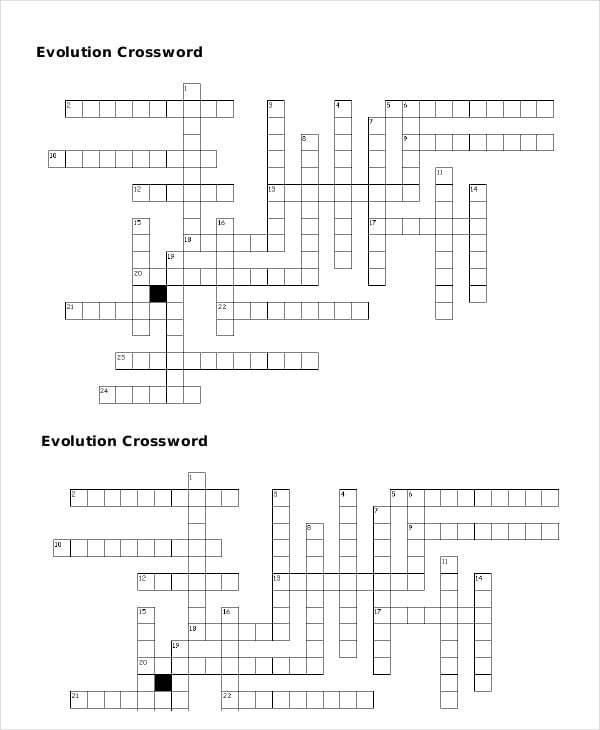
Arson Evidence Review Puzzle Template Answer Key

Crime Scene to Court Room Review Puzzle Activity by The Trendy Science
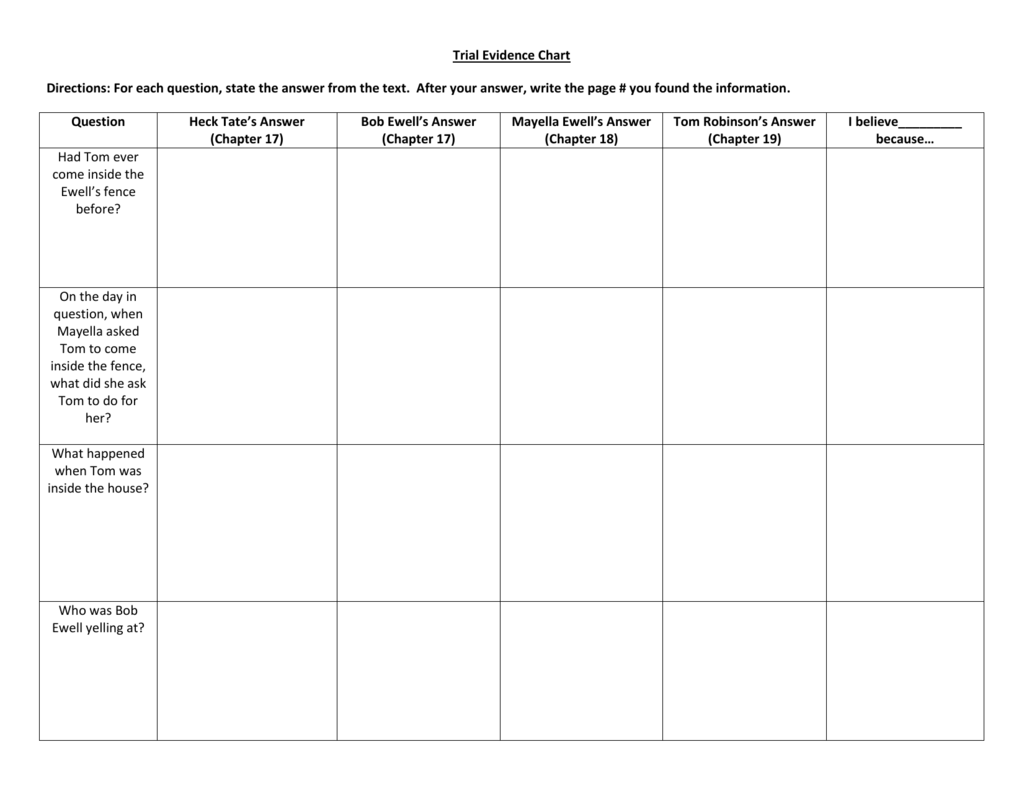
Arson Evidence Review Puzzle Template Answer Key
Arson Investigation Procedures in the Philippines PDF Arson Crime

Arson Evidence Review Puzzle Template Answer Key

Arson Evidence Review Puzzle Template Answer Key
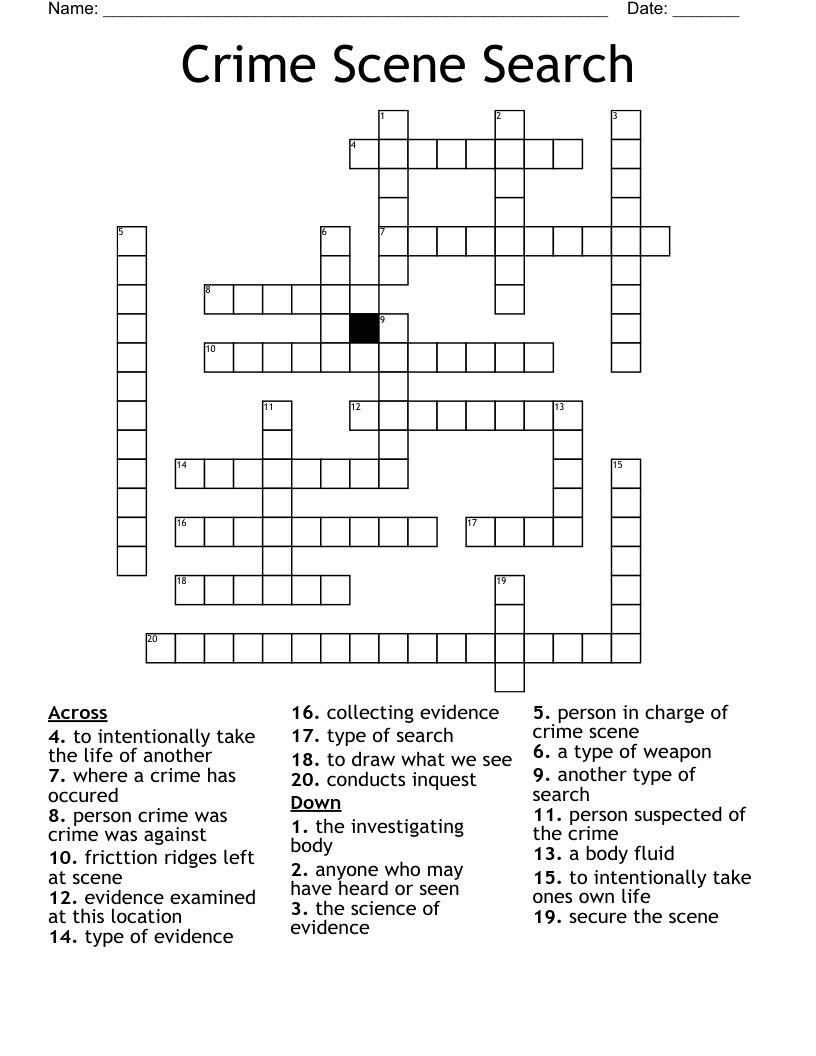
Crime Scene To Courtroom Review Puzzle Template Answer Key Creative

Arson Evidence Review Puzzle Template Content Calendar Template

Arson Investigation Puzzle Activity for Forensics ⋆ The Trendy Science
Arson Evidence Review Puzzle Template Answer Key

Arson Evidence Review Puzzle Template Printable Word Searches

Arson Evidence Review Puzzle Template Answer Key
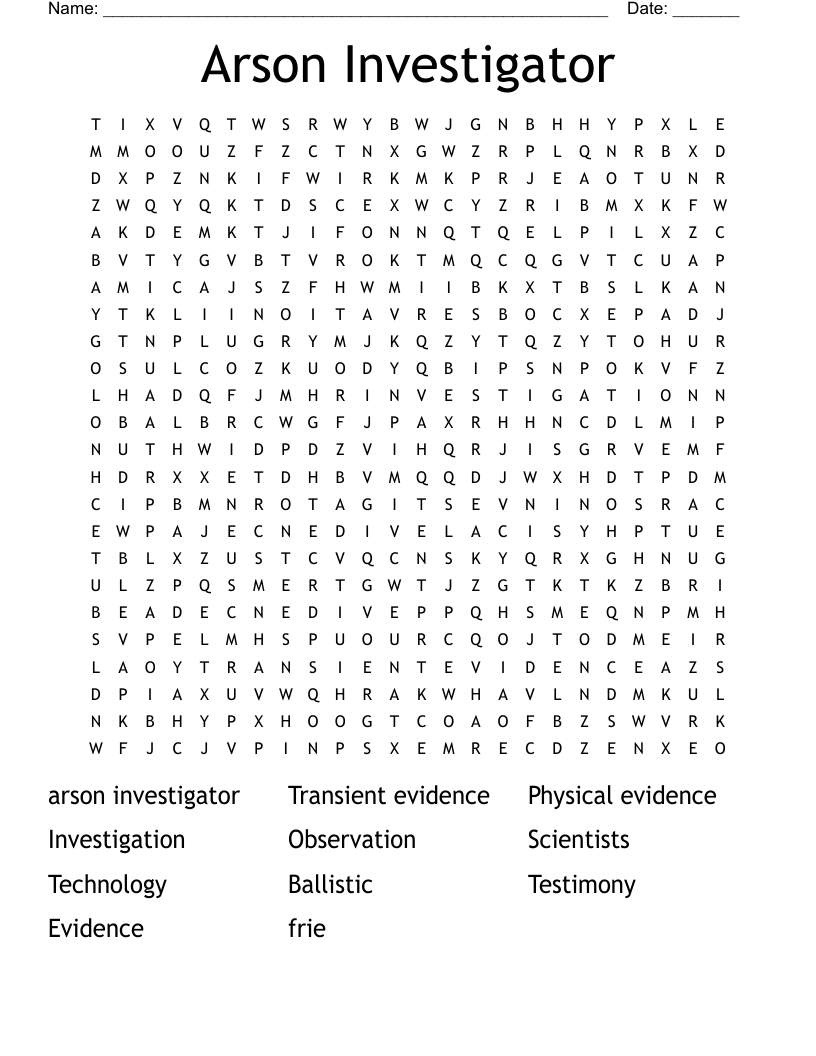
Arson Evidence Review Puzzle Template Creative Printable
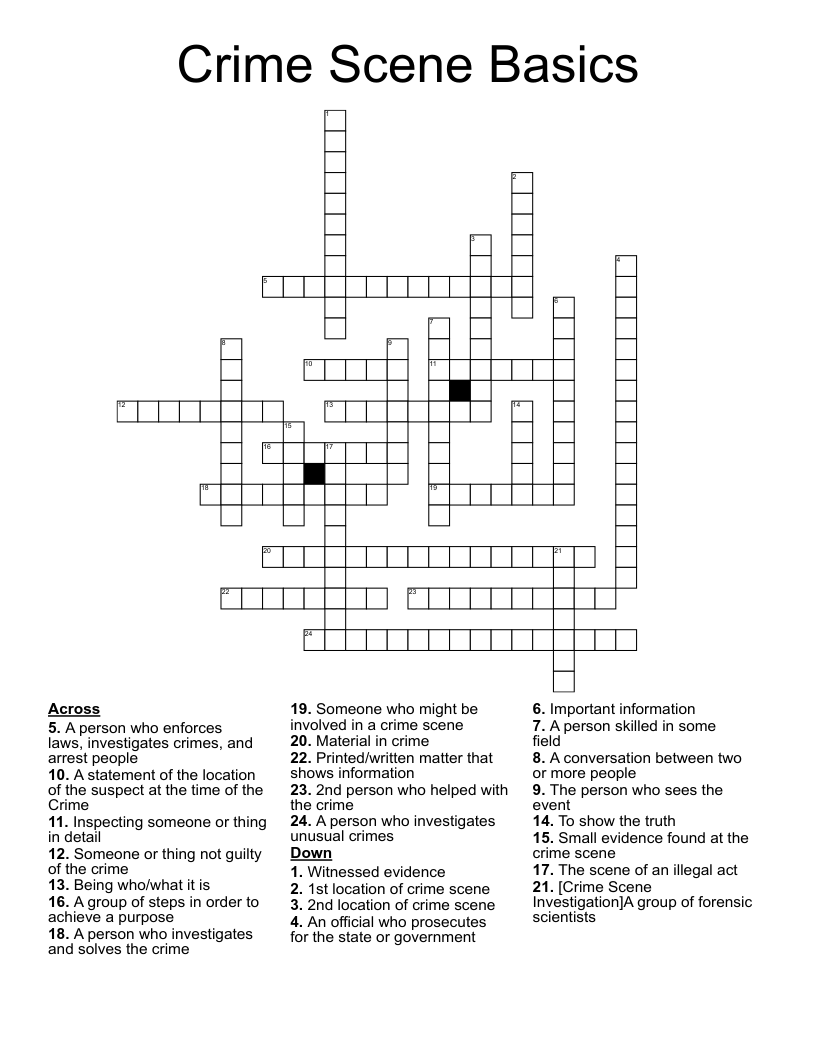
Crime Scene To Courtroom Review Puzzle Template Answer Key Creative

Arson Forensic Evidence Venn Diagram Fire Forensics How Do

Arson Evidence Review Puzzle Template Answer Key

Arson Evidence Review Puzzle Template Educational Printable Activities
Arson Evidence Review Puzzle Template Answer Key
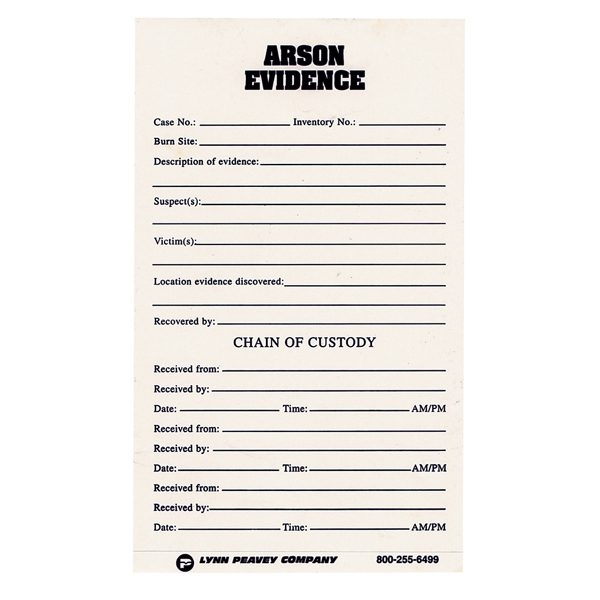
Arson Evidence Review Puzzle Template Creative Printable

Arson Evidence Review Puzzle Template Answer Key

Arson Evidence Review Puzzle Template Printable Holiday Crafts

Unraveling the puzzle Arson evidence review puzzle template answer key
ARSON REVIEW PUZZLE ACTIVITY

Arson Evidence Review Puzzle Template Answer Key

Arson Evidence Review Puzzle Template Employee Onboarding Template
Arson Evidence Collection Guidelines PDF Flooring Digital Forensics
Arson Investigation Review Guide PDF Combustion Fires

Arson Evidence Review Puzzle Template AT A GLANCE
![ARSON INVESTIGATION LESSON PLAN BUNDLE [FORENSICS] ⋆ The Trendy Science](https://thetrendyscienceteacher.com/wp-content/uploads/2019/04/2-2.png)
ARSON INVESTIGATION LESSON PLAN BUNDLE [FORENSICS] ⋆ The Trendy Science

Crime Scene To Courtroom Review Puzzle Template Answer Key Creative

Arson Evidence Review Puzzle Template Best Templates Resources

Arson Evidence Review Puzzle Template AT A GLANCE
(F) When The Person Is Reckless About Whether The Burning Or Explosion Will Endanger The Life Of Some Individual Or The Safety Of The Property.
Arson Is The Crime Of Deliberately Setting Fire To Or Causing An Explosion That Damages Property.
State And Federal Laws Prohibit Arson, Although The Regulations Differ.
Related Post:


