
Dna Template In Pcr
Dna Template In Pcr - Dna (deoxyribonucleic acid) is a set of instructions for creating the proteins that make your body work. It codes genetic information for the transmission of inherited traits. Each of these molecules has a unique structure that enables it to fulfill specific functions within the cell. They carry information in cells and make up genetic material. Nucleic acids are chemical compounds that are found in nature. There are two types of nucleic acids: Alongside proteins, lipids and complex carbohydrates (polysaccharides), nucleic acids are one of the four major types of macromolecules that are essential. Dna and ribonucleic acid (rna) are nucleic acids. Deoxyribonucleic acid (dna) and ribonucleic acid (rna). These acids are very common in all living things, where they create,. Alongside proteins, lipids and complex carbohydrates (polysaccharides), nucleic acids are one of the four major types of macromolecules that are essential. Nearly every cell in a person’s body has the same dna. Deoxyribonucleic acid (abbreviated dna) is the molecule that carries genetic information for the development and functioning of an organism. Dna and ribonucleic acid (rna) are nucleic acids. There. Dna is made of two linked strands that wind. There are two types of nucleic acids: They carry information in cells and make up genetic material. It codes genetic information for the transmission of inherited traits. Dna is an organic chemical of complex molecular structure found in all prokaryotic and eukaryotic cells. It codes genetic information for the transmission of inherited traits. Dna and ribonucleic acid (rna) are nucleic acids. They carry information in cells and make up genetic material. Dna, or deoxyribonucleic acid, is the hereditary material in humans and almost all other organisms. Each of these molecules has a unique structure that enables it to fulfill specific functions within the. Deoxyribonucleic acid (dna) and ribonucleic acid (rna). These acids are very common in all living things, where they create,. Nearly every cell in a person’s body has the same dna. They carry information in cells and make up genetic material. Dna is made of two linked strands that wind. Deoxyribonucleic acid (dna) and ribonucleic acid (rna). Dna and ribonucleic acid (rna) are nucleic acids. These acids are very common in all living things, where they create,. Dna is an organic chemical of complex molecular structure found in all prokaryotic and eukaryotic cells. Nucleic acids are chemical compounds that are found in nature. Nucleic acids are chemical compounds that are found in nature. Two strands of dna together form a double helix — a bit like a spiral staircase. Deoxyribonucleic acid (abbreviated dna) is the molecule that carries genetic information for the development and functioning of an organism. Nearly every cell in a person’s body has the same dna. Dna is made of. These acids are very common in all living things, where they create,. Nearly every cell in a person’s body has the same dna. It codes genetic information for the transmission of inherited traits. Alongside proteins, lipids and complex carbohydrates (polysaccharides), nucleic acids are one of the four major types of macromolecules that are essential. Dna, or deoxyribonucleic acid, is the. Dna, or deoxyribonucleic acid, is the hereditary material in humans and almost all other organisms. Dna is an organic chemical of complex molecular structure found in all prokaryotic and eukaryotic cells. Each of these molecules has a unique structure that enables it to fulfill specific functions within the cell. Dna is made of two linked strands that wind. Alongside proteins,. Dna and ribonucleic acid (rna) are nucleic acids. Deoxyribonucleic acid (dna) and ribonucleic acid (rna). Nucleic acids are chemical compounds that are found in nature. Dna is an organic chemical of complex molecular structure found in all prokaryotic and eukaryotic cells. They carry information in cells and make up genetic material. Dna and ribonucleic acid (rna) are nucleic acids. Deoxyribonucleic acid (abbreviated dna) is the molecule that carries genetic information for the development and functioning of an organism. It codes genetic information for the transmission of inherited traits. Dna, or deoxyribonucleic acid, is the hereditary material in humans and almost all other organisms. Dna is made of two linked strands that. These acids are very common in all living things, where they create,. Nearly every cell in a person’s body has the same dna. Each of these molecules has a unique structure that enables it to fulfill specific functions within the cell. Dna and ribonucleic acid (rna) are nucleic acids. Two strands of dna together form a double helix — a. Deoxyribonucleic acid (abbreviated dna) is the molecule that carries genetic information for the development and functioning of an organism. Dna (deoxyribonucleic acid) is a set of instructions for creating the proteins that make your body work. Dna is an organic chemical of complex molecular structure found in all prokaryotic and eukaryotic cells. Each of these molecules has a unique structure. Dna and ribonucleic acid (rna) are nucleic acids. Dna is made of two linked strands that wind. Alongside proteins, lipids and complex carbohydrates (polysaccharides), nucleic acids are one of the four major types of macromolecules that are essential. Two strands of dna together form a double helix — a bit like a spiral staircase. Deoxyribonucleic acid (dna) and ribonucleic acid. Dna (deoxyribonucleic acid) is a set of instructions for creating the proteins that make your body work. Two strands of dna together form a double helix — a bit like a spiral staircase. Alongside proteins, lipids and complex carbohydrates (polysaccharides), nucleic acids are one of the four major types of macromolecules that are essential. There are two types of nucleic. Deoxyribonucleic acid (abbreviated dna) is the molecule that carries genetic information for the development and functioning of an organism. Two strands of dna together form a double helix — a bit like a spiral staircase. Deoxyribonucleic acid (dna) and ribonucleic acid (rna). Dna is an organic chemical of complex molecular structure found in all prokaryotic and eukaryotic cells. Dna, or. Two strands of dna together form a double helix — a bit like a spiral staircase. They carry information in cells and make up genetic material. Dna is an organic chemical of complex molecular structure found in all prokaryotic and eukaryotic cells. Nucleic acids are chemical compounds that are found in nature. There are two types of nucleic acids: They carry information in cells and make up genetic material. These acids are very common in all living things, where they create,. Dna is made of two linked strands that wind. Each of these molecules has a unique structure that enables it to fulfill specific functions within the cell. There are two types of nucleic acids: Dna (deoxyribonucleic acid) is a set of instructions for creating the proteins that make your body work. Dna is made of two linked strands that wind. Dna is an organic chemical of complex molecular structure found in all prokaryotic and eukaryotic cells. Deoxyribonucleic acid (dna) and ribonucleic acid (rna). Nearly every cell in a person’s body has the same dna. Each of these molecules has a unique structure that enables it to fulfill specific functions within the cell. There are two types of nucleic acids: They carry information in cells and make up genetic material. Dna (deoxyribonucleic acid) is a set of instructions for creating the proteins that make your body work. Deoxyribonucleic acid (dna) and ribonucleic acid (rna). Dna and ribonucleic acid (rna) are nucleic acids. Deoxyribonucleic acid (abbreviated dna) is the molecule that carries genetic information for the development and functioning of an organism. Two strands of dna together form a double helix — a bit like a spiral staircase. Dna is made of two linked strands that wind. Deoxyribonucleic acid (dna) and ribonucleic acid (rna). Deoxyribonucleic acid (dna) and ribonucleic acid (rna). Dna and ribonucleic acid (rna) are nucleic acids. Alongside proteins, lipids and complex carbohydrates (polysaccharides), nucleic acids are one of the four major types of macromolecules that are essential. Nucleic acids are chemical compounds that are found in nature. Nearly every cell in a person’s body has the same dna. Dna is made of two linked strands that wind. It codes genetic information for the transmission of inherited traits. Dna and ribonucleic acid (rna) are nucleic acids. Each of these molecules has a unique structure that enables it to fulfill specific functions within the cell. Dna is an organic chemical of complex molecular structure found in all prokaryotic and eukaryotic. Alongside proteins, lipids and complex carbohydrates (polysaccharides), nucleic acids are one of the four major types of macromolecules that are essential. Nearly every cell in a person’s body has the same dna. There are two types of nucleic acids: Deoxyribonucleic acid (dna) and ribonucleic acid (rna). Dna and ribonucleic acid (rna) are nucleic acids. Deoxyribonucleic acid (dna) and ribonucleic acid (rna). They carry information in cells and make up genetic material. Dna is made of two linked strands that wind. Nearly every cell in a person’s body has the same dna. It codes genetic information for the transmission of inherited traits. Dna is made of two linked strands that wind. These acids are very common in all living things, where they create,. They carry information in cells and make up genetic material. Dna, or deoxyribonucleic acid, is the hereditary material in humans and almost all other organisms. Nearly every cell in a person’s body has the same dna. These acids are very common in all living things, where they create,. Dna (deoxyribonucleic acid) is a set of instructions for creating the proteins that make your body work. Deoxyribonucleic acid (dna) and ribonucleic acid (rna). Nearly every cell in a person’s body has the same dna. Nucleic acids are chemical compounds that are found in nature. Each of these molecules has a unique structure that enables it to fulfill specific functions within the cell. They carry information in cells and make up genetic material. Alongside proteins, lipids and complex carbohydrates (polysaccharides), nucleic acids are one of the four major types of macromolecules that are essential. There are two types of nucleic acids: Dna is made of. Two strands of dna together form a double helix — a bit like a spiral staircase. Dna is made of two linked strands that wind. Deoxyribonucleic acid (abbreviated dna) is the molecule that carries genetic information for the development and functioning of an organism. They carry information in cells and make up genetic material. There are two types of nucleic. Dna, or deoxyribonucleic acid, is the hereditary material in humans and almost all other organisms. There are two types of nucleic acids: Nucleic acids are chemical compounds that are found in nature. These acids are very common in all living things, where they create,. Nearly every cell in a person’s body has the same dna. Deoxyribonucleic acid (abbreviated dna) is the molecule that carries genetic information for the development and functioning of an organism. Two strands of dna together form a double helix — a bit like a spiral staircase. Dna, or deoxyribonucleic acid, is the hereditary material in humans and almost all other organisms. Deoxyribonucleic acid (dna) and ribonucleic acid (rna). Nucleic acids are. These acids are very common in all living things, where they create,. Nearly every cell in a person’s body has the same dna. It codes genetic information for the transmission of inherited traits. Dna (deoxyribonucleic acid) is a set of instructions for creating the proteins that make your body work. Dna and ribonucleic acid (rna) are nucleic acids. Two strands of dna together form a double helix — a bit like a spiral staircase. Dna is an organic chemical of complex molecular structure found in all prokaryotic and eukaryotic cells. It codes genetic information for the transmission of inherited traits. Dna is made of two linked strands that wind. Nucleic acids are chemical compounds that are found in. Dna (deoxyribonucleic acid) is a set of instructions for creating the proteins that make your body work. Alongside proteins, lipids and complex carbohydrates (polysaccharides), nucleic acids are one of the four major types of macromolecules that are essential. Nucleic acids are chemical compounds that are found in nature. There are two types of nucleic acids: These acids are very common. Dna (deoxyribonucleic acid) is a set of instructions for creating the proteins that make your body work. Two strands of dna together form a double helix — a bit like a spiral staircase. Dna is made of two linked strands that wind. Dna and ribonucleic acid (rna) are nucleic acids. Deoxyribonucleic acid (dna) and ribonucleic acid (rna). Nucleic acids are chemical compounds that are found in nature. Dna, or deoxyribonucleic acid, is the hereditary material in humans and almost all other organisms. It codes genetic information for the transmission of inherited traits. Alongside proteins, lipids and complex carbohydrates (polysaccharides), nucleic acids are one of the four major types of macromolecules that are essential. Nearly every cell in. Dna is made of two linked strands that wind. It codes genetic information for the transmission of inherited traits. Deoxyribonucleic acid (dna) and ribonucleic acid (rna). Dna (deoxyribonucleic acid) is a set of instructions for creating the proteins that make your body work. Dna is an organic chemical of complex molecular structure found in all prokaryotic and eukaryotic cells. Nearly every cell in a person’s body has the same dna. Nucleic acids are chemical compounds that are found in nature. Two strands of dna together form a double helix — a bit like a spiral staircase. Each of these molecules has a unique structure that enables it to fulfill specific functions within the cell. Dna and ribonucleic acid (rna) are nucleic acids. Alongside proteins, lipids and complex carbohydrates (polysaccharides), nucleic acids are one of the four major types of macromolecules that are essential. Dna, or deoxyribonucleic acid, is the hereditary material in humans and almost all other organisms.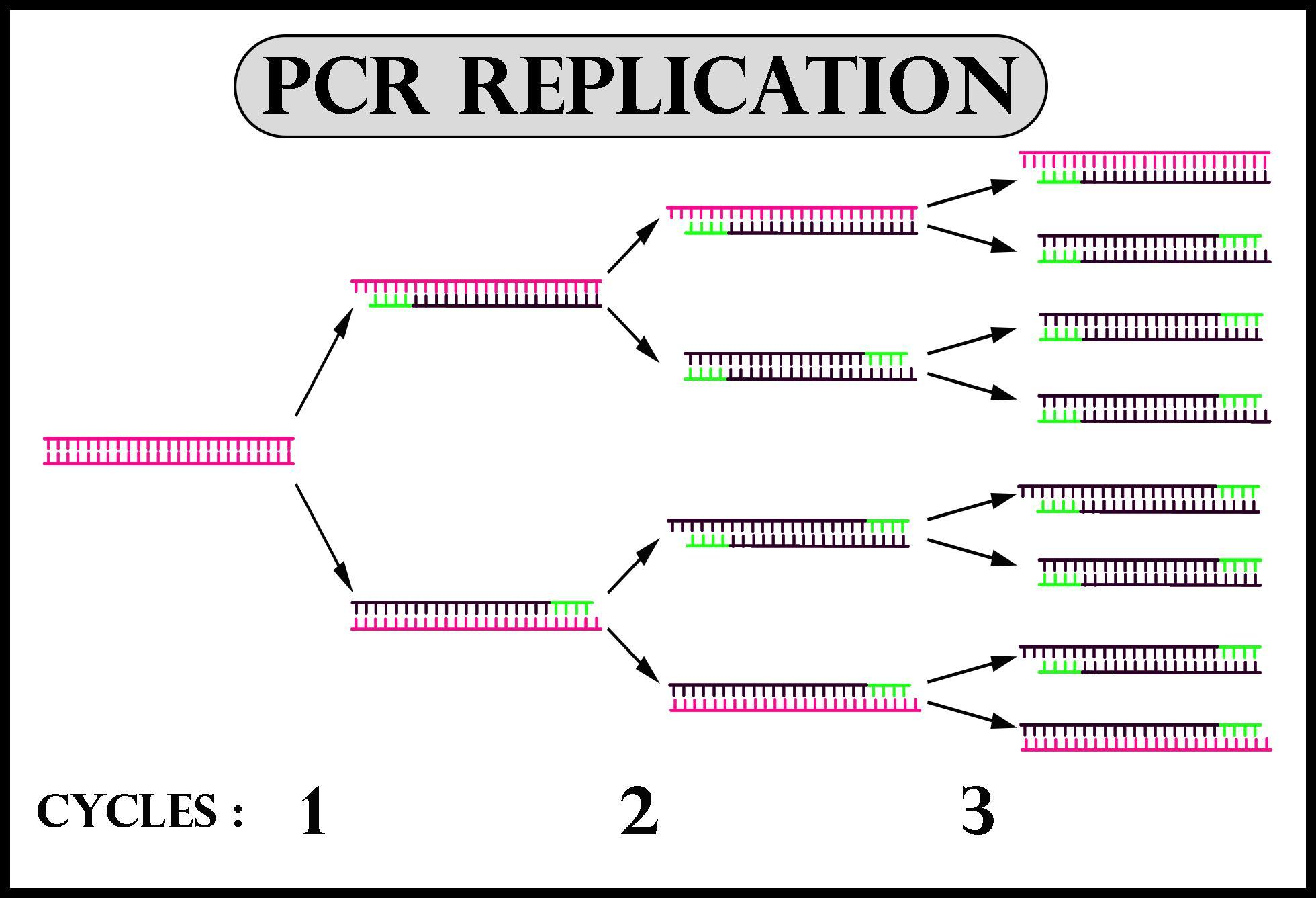
Template Dna Pcr

What Is The Template Of The Pcr
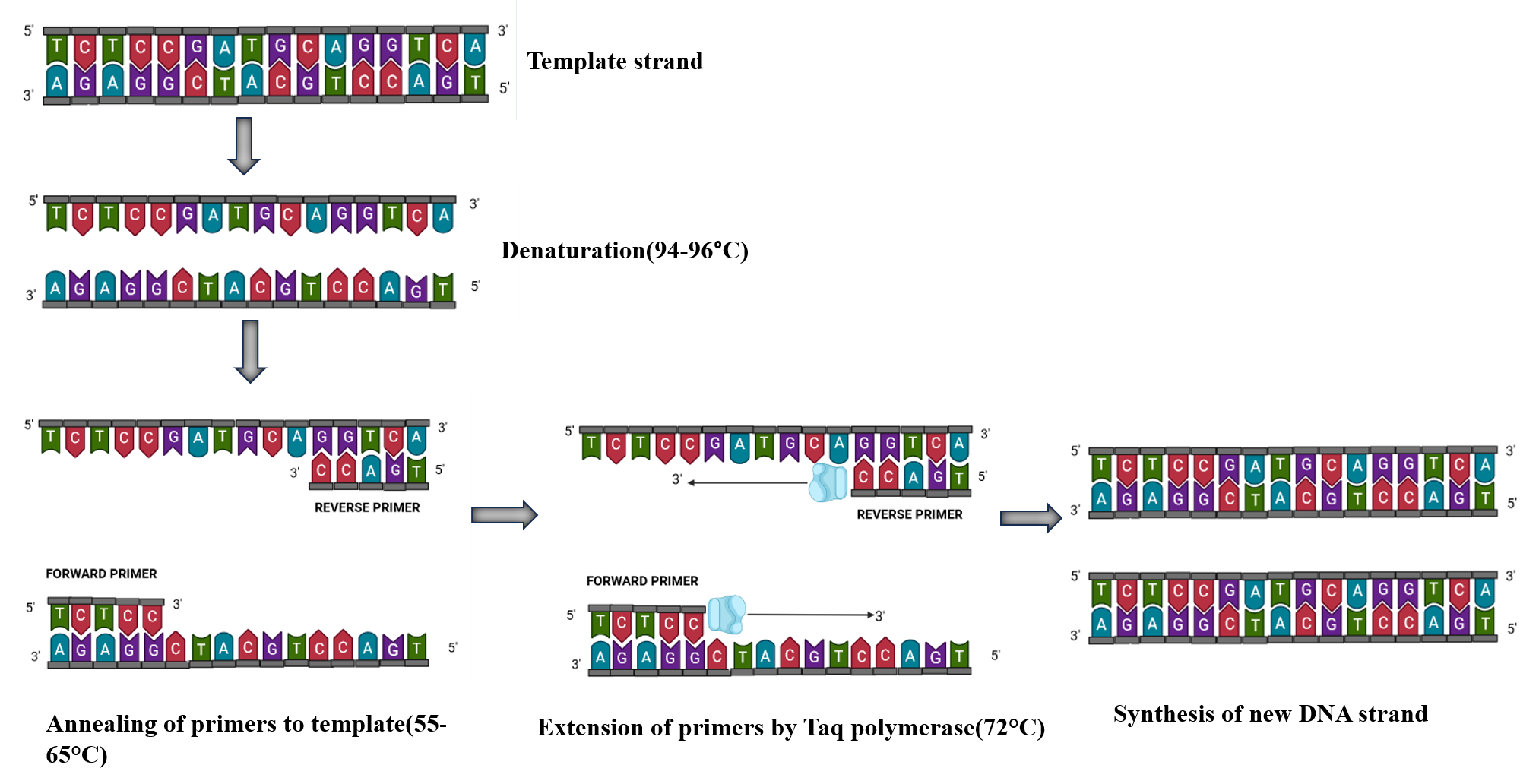
DNA amplification by Polymerase Chain Reaction (PCR)
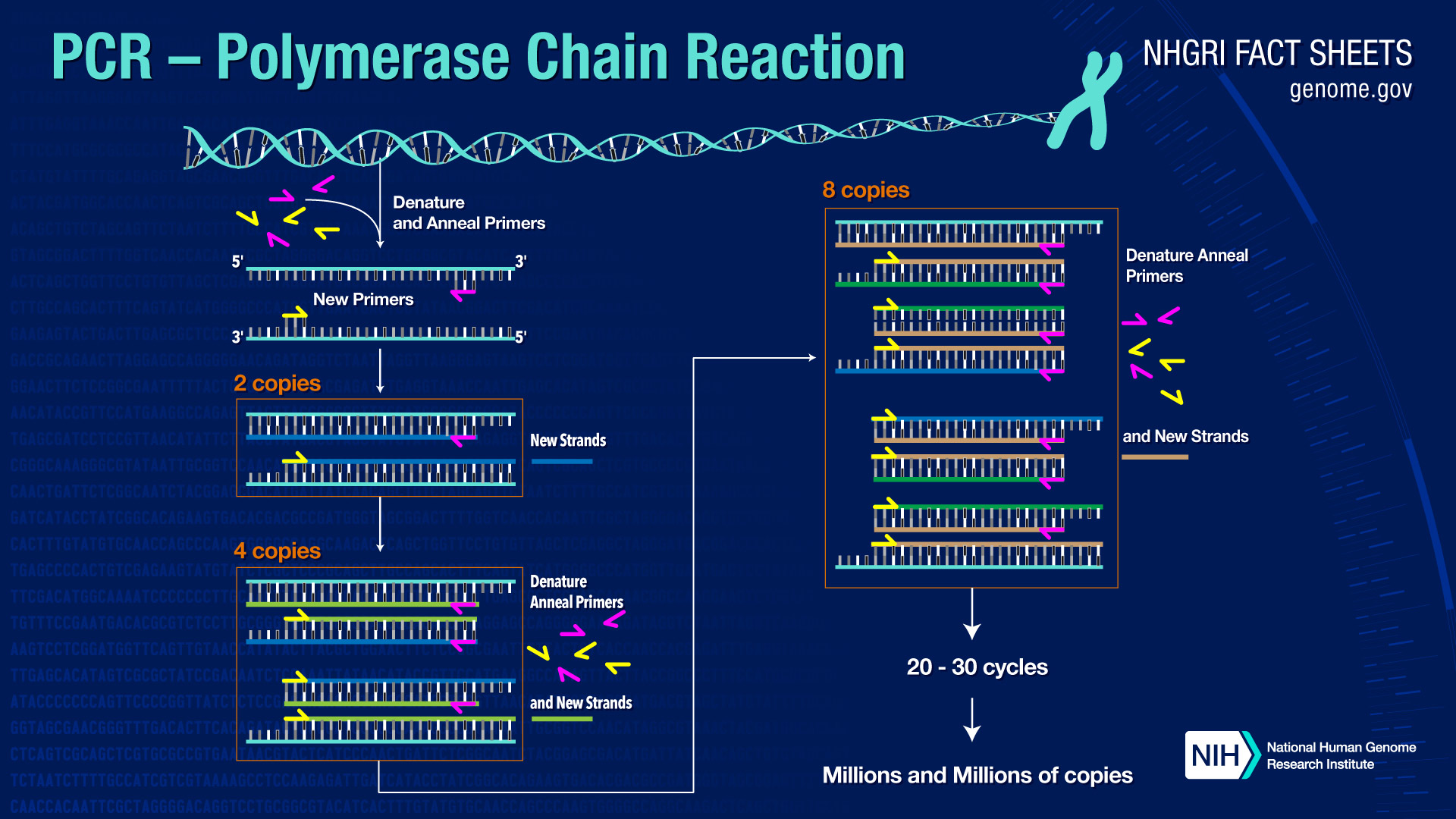
How Much Dna Template For Pcr

Template Dna In Pcr
Schematic of the method for SDM using PCR. Template DNA is treated by

Schematic representation of the design (A) and the PCR flowchart (B
Setting up for Success How Do I Ensure I Have the Right Template for
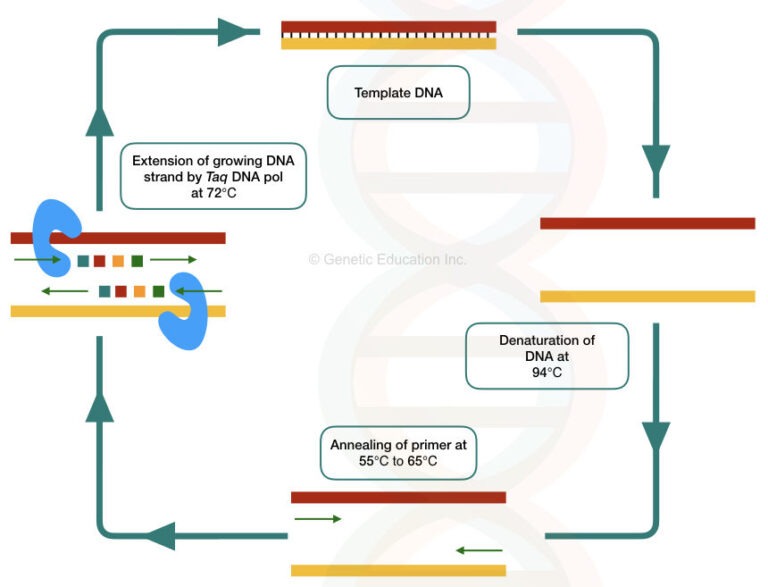
What are the properties of PCR (template) DNA?

PCR the Polymerase chain reaction Key points of PCR
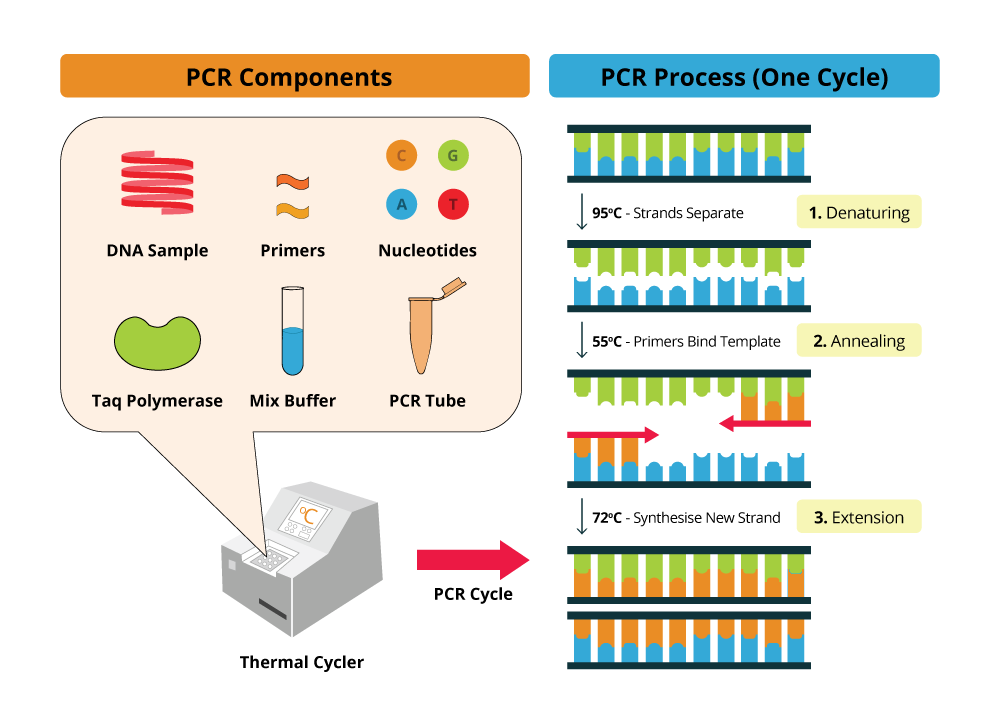
What Is The Template Of The Pcr

Polymerase Chain Reaction (PCR) Technique Diagram

Polymerase Chain Reaction (PCR) BioRender Science Templates

Template Dna For Pcr
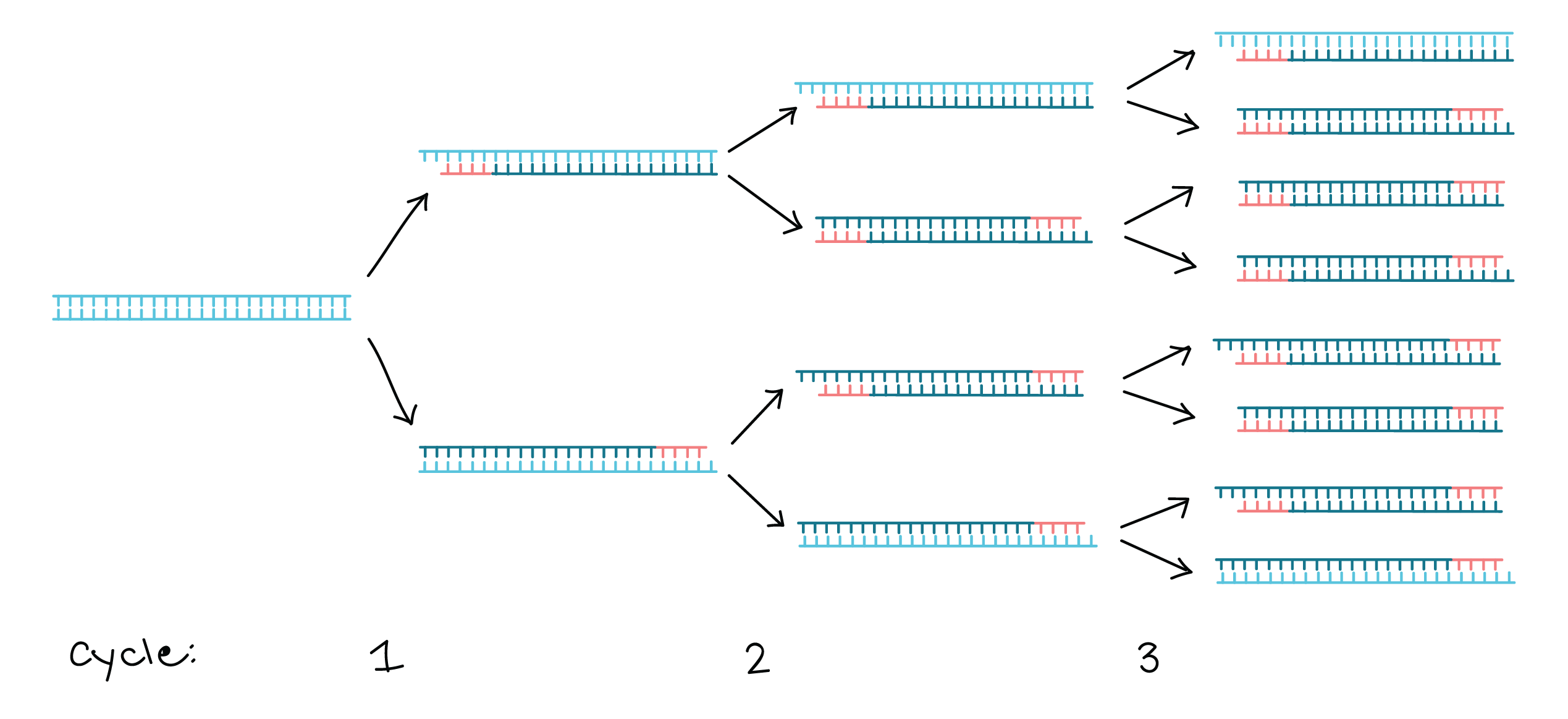
Khan Academy

Template Dna For Pcr
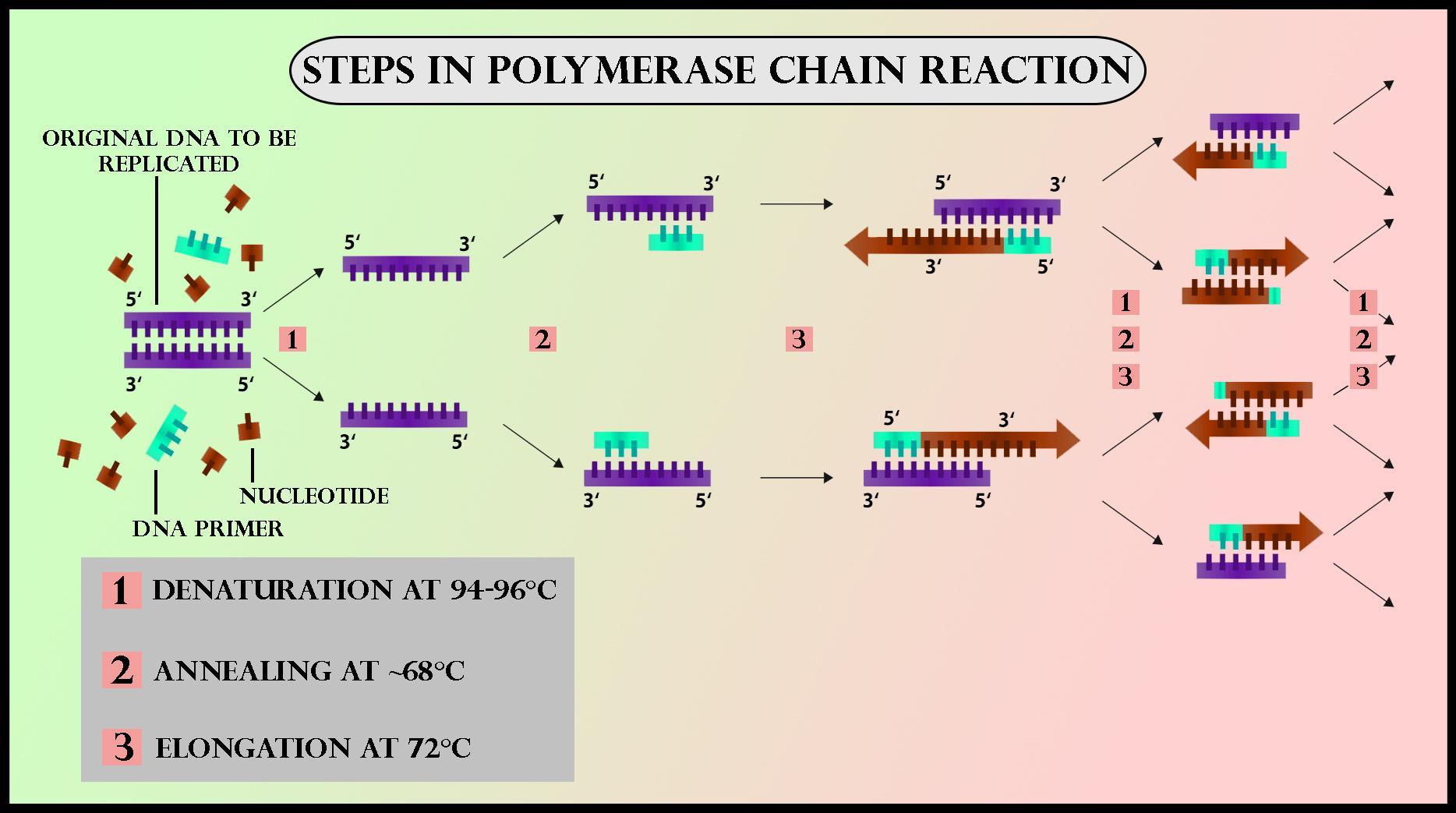
What Is The Template Of The Pcr

What Is The Template Of The Pcr

Template Dna In Pcr

Template Dna Pcr

Template Dna Pcr

The Master Mixes For Real Time Pcr Reaction In A Test Tube That Shows

Template Dna In Pcr
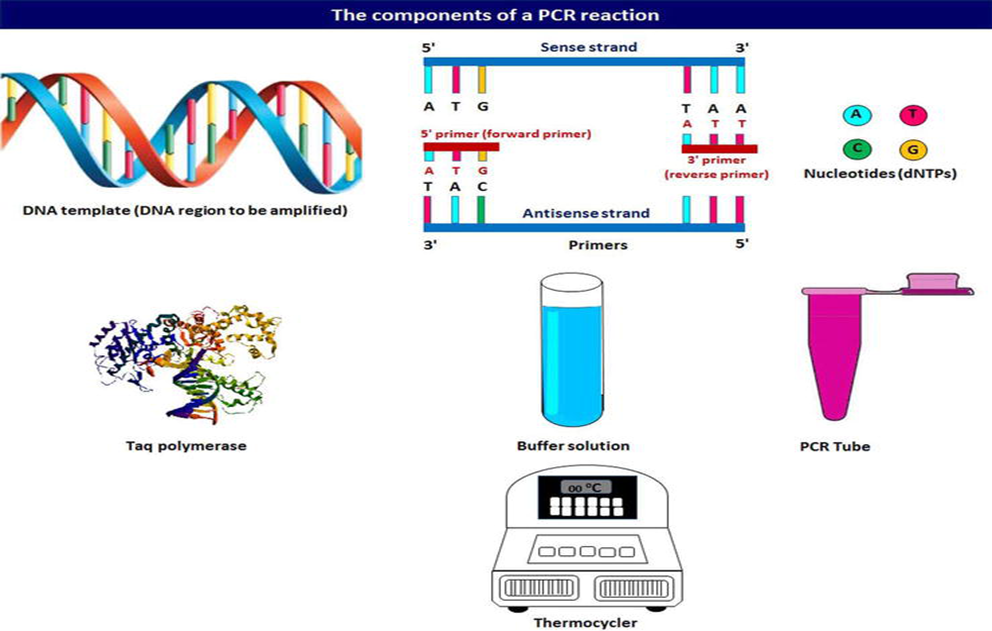
What Does Template Dna Do In Pcr at Wendy Seay blog

Realtime quantitative PCR amplification plots of each DNA template
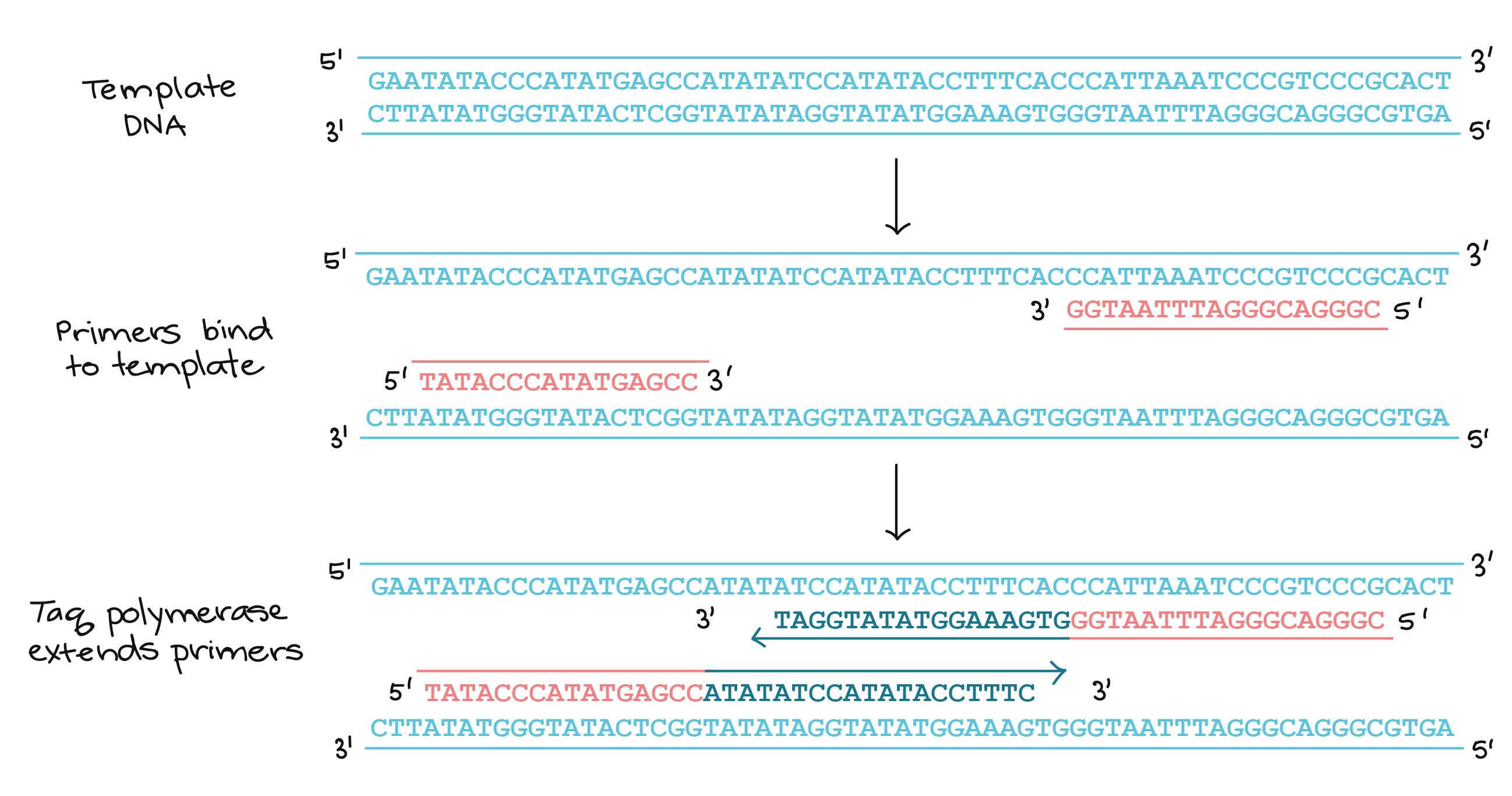
Dna Primer Function In Pcr What Is A Pcr Reaction VNKHW
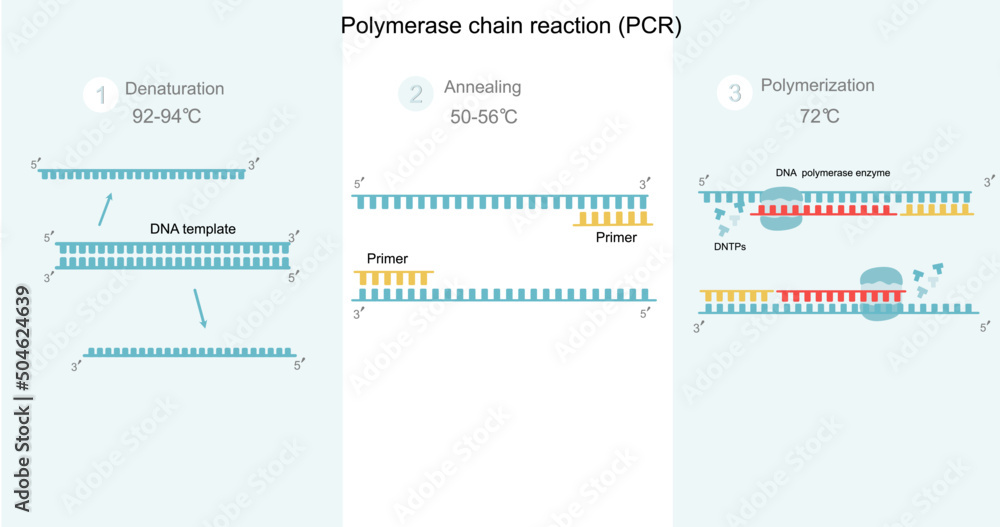
The Polymerase Chain Reaction (PCR) step to DNA detection that
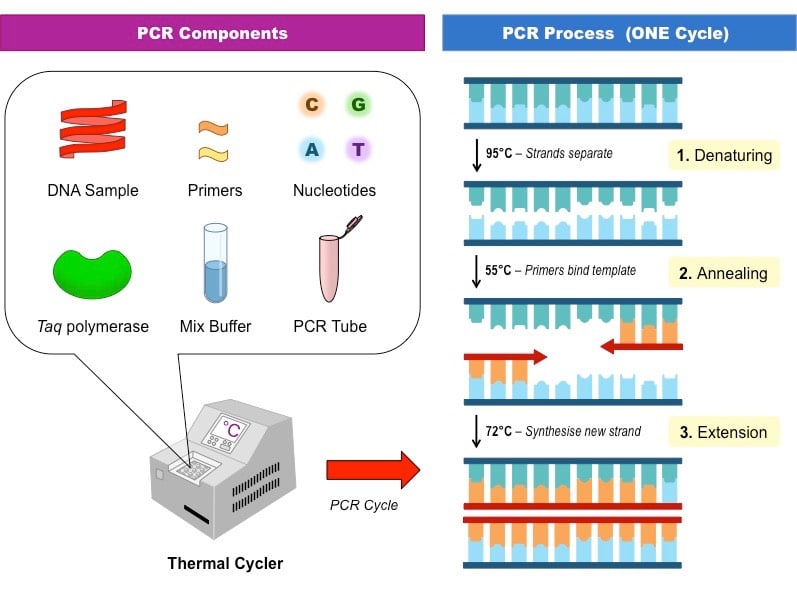
Template Dna For Pcr
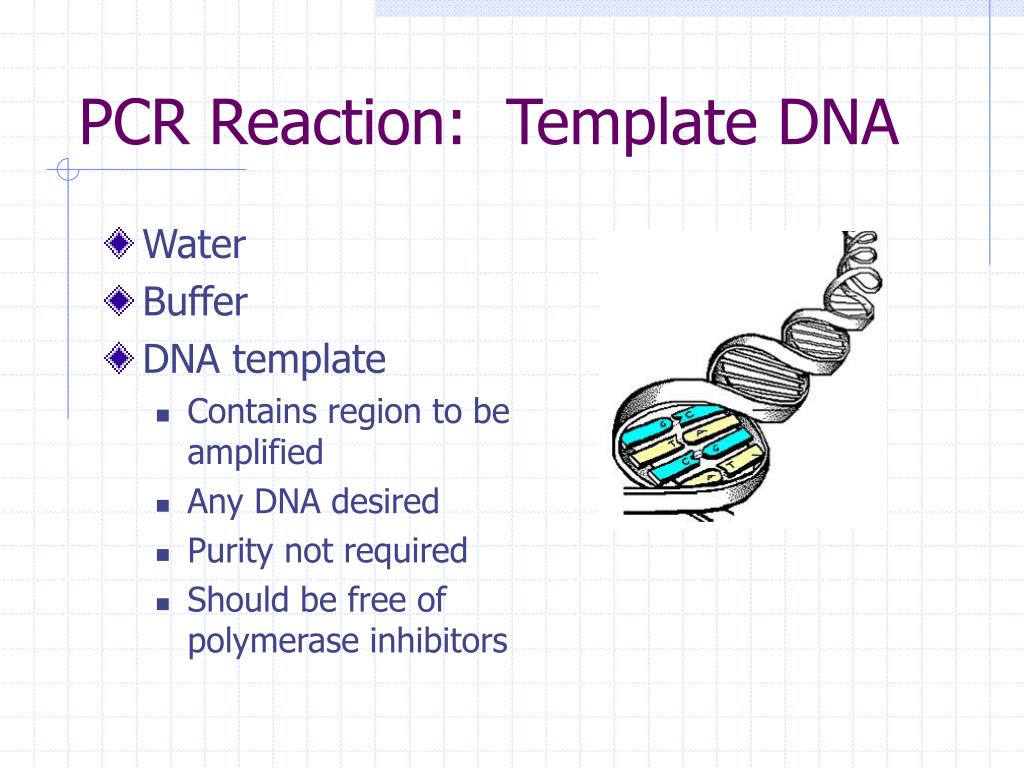
PPT How PCR works PowerPoint Presentation, free download ID862368

Template Dna In Pcr
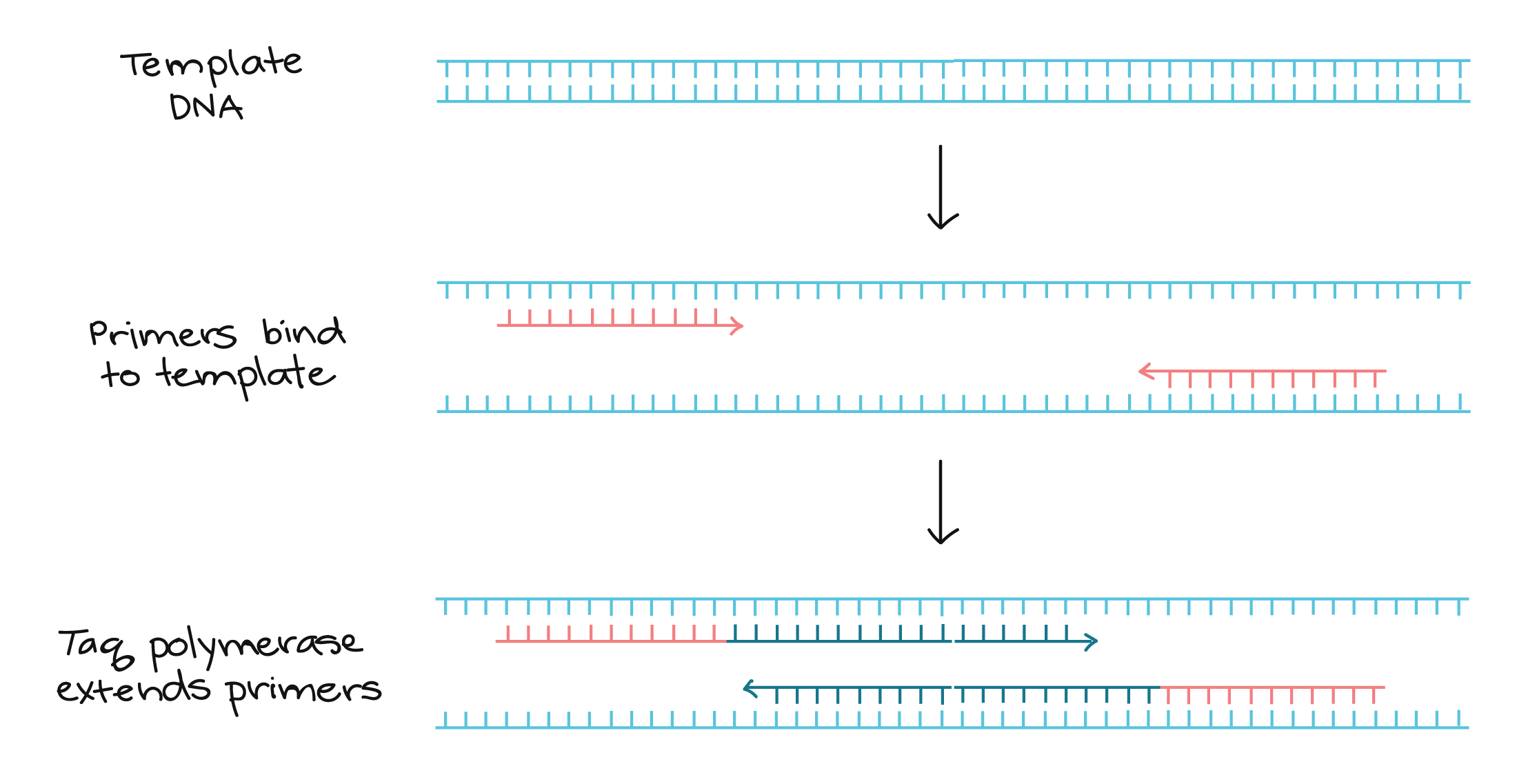
PCR the Polymerase chain reaction Key points of PCR

Template Dna Function In Pcr
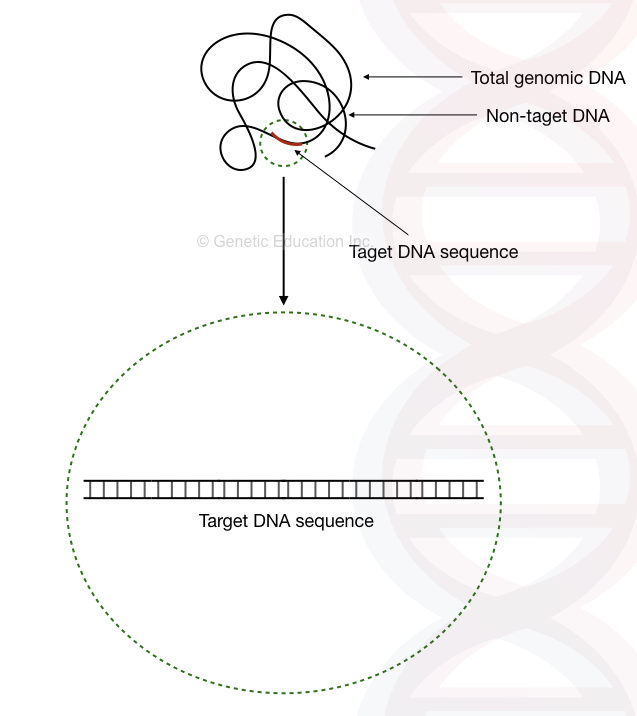
What are the properties of PCR (template) DNA?
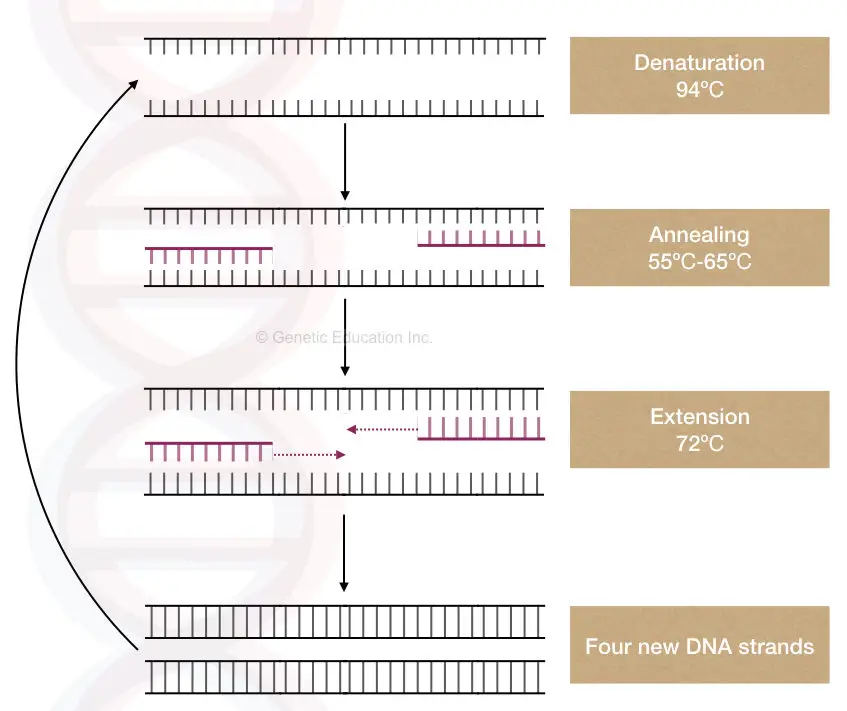
What are the properties of PCR (template) DNA?
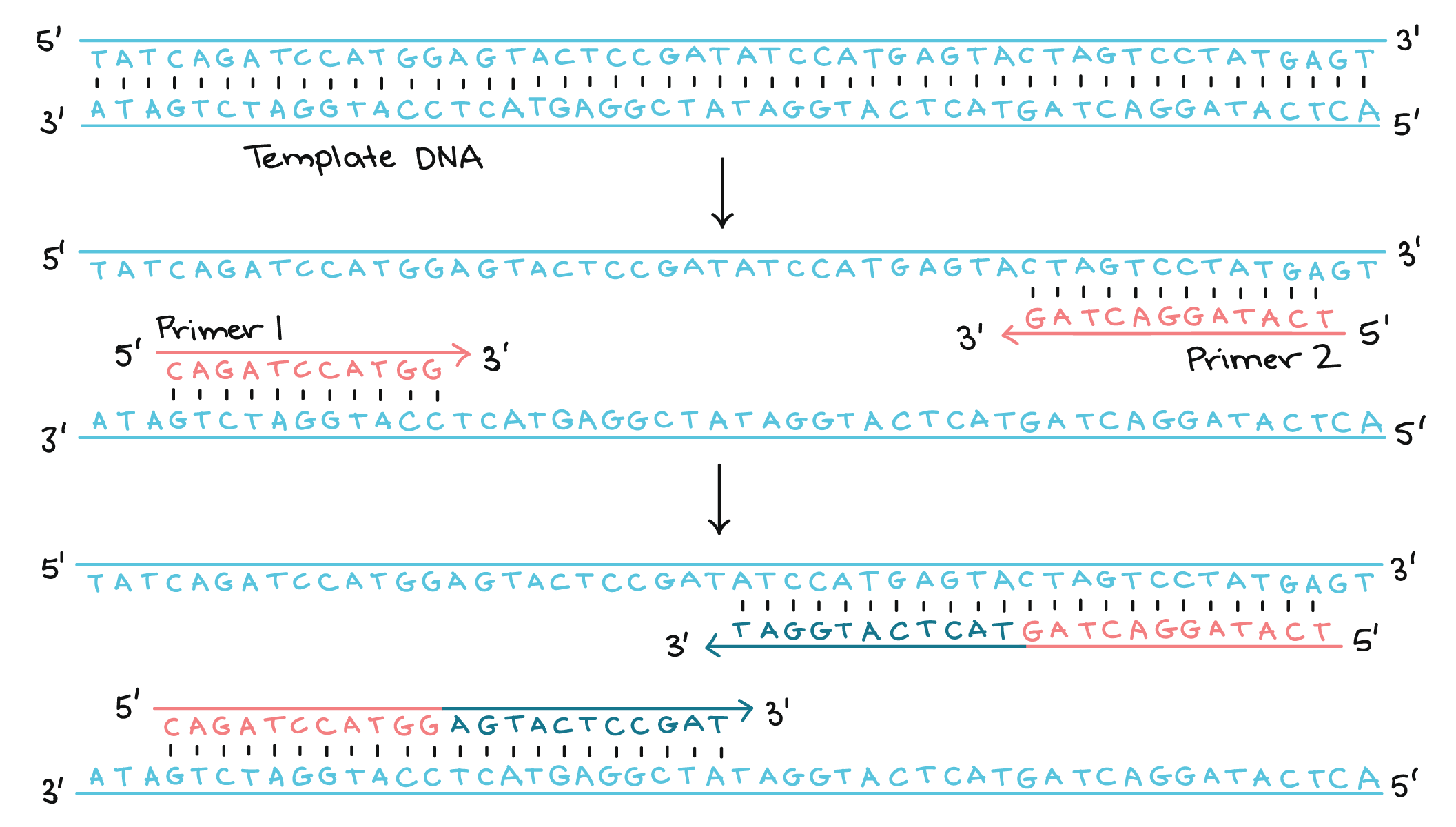
Khan Academy
Deoxyribonucleic Acid (Abbreviated Dna) Is The Molecule That Carries Genetic Information For The Development And Functioning Of An Organism.
They Carry Information In Cells And Make Up Genetic Material.
These Acids Are Very Common In All Living Things, Where They Create,.
There Are Two Types Of Nucleic Acids:
Related Post: