
Erosion And Sediment Control Plan Template
Erosion And Sediment Control Plan Template - Erosion breaks material away from its original location and moves it somewhere else. Erosion is the movement of rock fragments, soil, or dissolved material from one place to another by water, wind, ice, or gravity. Erosion will often occur after rock has been. Rainfall, and the surface runoff which may result from rainfall, produce four main types of soil erosion: It shapes mountains, carves canyons, shrinks coastlines, and. Erosion is the natural process by which soil and rock material are worn away and transported to another location by natural agents such as wind, water, ice, and gravity. Erosion is the action of surface processes (such as water flow or wind) that removes soil, rock, or dissolved material from one location on the earth's crust and then transports it to another location. Erosion is the geological process in which earthen materials are worn away and transported by natural forces such as wind or water. Explore its definition, types, causes, and impact both by and on human activities. Learn about erosion in geology. Erosion, physical process in which soil, rock, and other surface material are removed from one location and transported to another. Whether it’s soil washing off a hillside, waves carving a cliff, or wind stripping topsoil from a field,. Erosion breaks material away from its original location and moves it somewhere else. Erosion will often occur after rock has been. Splash. Erosion breaks material away from its original location and moves it somewhere else. Erosion is the action of surface processes (such as water flow or wind) that removes soil, rock, or dissolved material from one location on the earth's crust and then transports it to another location. Erosion is the movement of rock fragments, soil, or dissolved material from one. Erosion is a geological process in which earthen materials (i.e., soil, rocks, sediments) are worn away and transported over time by natural forces such as water or wind; Erosion is the movement of rock fragments, soil, or dissolved material from one place to another by water, wind, ice, or gravity. Erosion is the natural process by which soil and rock. Erosion is the movement of rock fragments, soil, or dissolved material from one place to another by water, wind, ice, or gravity. Erosion, physical process in which soil, rock, and other surface material are removed from one location and transported to another. Explore its definition, types, causes, and impact both by and on human activities. Learn about erosion in geology.. Erosion is the geological process in which earthen materials are worn away and transported by natural forces such as wind or water. Learn about erosion in geology. Rainfall, and the surface runoff which may result from rainfall, produce four main types of soil erosion: Splash erosion, sheet erosion, rill erosion, and gully erosion. Whether it’s soil washing off a hillside,. Whether it’s soil washing off a hillside, waves carving a cliff, or wind stripping topsoil from a field,. Together, weathering and erosion shape every landscape on earth—from. Erosion is a geological process in which earthen materials (i.e., soil, rocks, sediments) are worn away and transported over time by natural forces such as water or wind; It shapes mountains, carves canyons,. Whether it’s soil washing off a hillside, waves carving a cliff, or wind stripping topsoil from a field,. Erosion is the movement and transportation of those particles by natural forces such as water, wind, ice, or gravity. It shapes mountains, carves canyons, shrinks coastlines, and. Explore its definition, types, causes, and impact both by and on human activities. Rainfall, and. Erosion is a geological process in which earthen materials (i.e., soil, rocks, sediments) are worn away and transported over time by natural forces such as water or wind; Splash erosion, sheet erosion, rill erosion, and gully erosion. Rainfall, and the surface runoff which may result from rainfall, produce four main types of soil erosion: Erosion is the movement and transportation. Splash erosion, sheet erosion, rill erosion, and gully erosion. Erosion, physical process in which soil, rock, and other surface material are removed from one location and transported to another. Explore its definition, types, causes, and impact both by and on human activities. It shapes mountains, carves canyons, shrinks coastlines, and. Erosion is a geological process in which earthen materials (i.e.,. Erosion is the geological process in which earthen materials are worn away and transported by natural forces such as wind or water. Erosion is a geological process in which earthen materials (i.e., soil, rocks, sediments) are worn away and transported over time by natural forces such as water or wind; Learn about erosion in geology. Splash erosion, sheet erosion, rill. Explore its definition, types, causes, and impact both by and on human activities. Erosion will often occur after rock has been. Splash erosion, sheet erosion, rill erosion, and gully erosion. Erosion is the movement of rock fragments, soil, or dissolved material from one place to another by water, wind, ice, or gravity. Erosion is the movement and transportation of those. Erosion is a geological process in which earthen materials (i.e., soil, rocks, sediments) are worn away and transported over time by natural forces such as water or wind; Together, weathering and erosion shape every landscape on earth—from. Whether it’s soil washing off a hillside, waves carving a cliff, or wind stripping topsoil from a field,. Erosion, physical process in which. Splash erosion, sheet erosion, rill erosion, and gully erosion. Erosion is the geological process in which earthen materials are worn away and transported by natural forces such as wind or water. It shapes mountains, carves canyons, shrinks coastlines, and. Erosion is the movement of rock fragments, soil, or dissolved material from one place to another by water, wind, ice, or. Together, weathering and erosion shape every landscape on earth—from. Erosion is the geological process in which earthen materials are worn away and transported by natural forces such as wind or water. Erosion breaks material away from its original location and moves it somewhere else. Splash erosion, sheet erosion, rill erosion, and gully erosion. Erosion is the movement and transportation of. Rainfall, and the surface runoff which may result from rainfall, produce four main types of soil erosion: Erosion is the geological process in which earthen materials are worn away and transported by natural forces such as wind or water. Explore its definition, types, causes, and impact both by and on human activities. Splash erosion, sheet erosion, rill erosion, and gully. Erosion is the action of surface processes (such as water flow or wind) that removes soil, rock, or dissolved material from one location on the earth's crust and then transports it to another location. Together, weathering and erosion shape every landscape on earth—from. Erosion breaks material away from its original location and moves it somewhere else. Erosion is a geological. Erosion is the movement of rock fragments, soil, or dissolved material from one place to another by water, wind, ice, or gravity. Erosion is the natural process by which soil and rock material are worn away and transported to another location by natural agents such as wind, water, ice, and gravity. Erosion breaks material away from its original location and. Together, weathering and erosion shape every landscape on earth—from. Erosion is the movement of rock fragments, soil, or dissolved material from one place to another by water, wind, ice, or gravity. Erosion is the geological process in which earthen materials are worn away and transported by natural forces such as wind or water. Erosion is the action of surface processes. It shapes mountains, carves canyons, shrinks coastlines, and. Erosion is the movement of rock fragments, soil, or dissolved material from one place to another by water, wind, ice, or gravity. Learn about erosion in geology. Erosion breaks material away from its original location and moves it somewhere else. Erosion, physical process in which soil, rock, and other surface material are. Erosion will often occur after rock has been. Erosion is the action of surface processes (such as water flow or wind) that removes soil, rock, or dissolved material from one location on the earth's crust and then transports it to another location. Erosion, physical process in which soil, rock, and other surface material are removed from one location and transported. Explore its definition, types, causes, and impact both by and on human activities. It shapes mountains, carves canyons, shrinks coastlines, and. Learn about erosion in geology. Rainfall, and the surface runoff which may result from rainfall, produce four main types of soil erosion: Erosion is the movement of rock fragments, soil, or dissolved material from one place to another by. Splash erosion, sheet erosion, rill erosion, and gully erosion. Erosion will often occur after rock has been. Erosion is the movement of rock fragments, soil, or dissolved material from one place to another by water, wind, ice, or gravity. Explore its definition, types, causes, and impact both by and on human activities. Erosion is the geological process in which earthen. Together, weathering and erosion shape every landscape on earth—from. Erosion is the geological process in which earthen materials are worn away and transported by natural forces such as wind or water. Erosion will often occur after rock has been. Whether it’s soil washing off a hillside, waves carving a cliff, or wind stripping topsoil from a field,. Learn about erosion. Whether it’s soil washing off a hillside, waves carving a cliff, or wind stripping topsoil from a field,. Rainfall, and the surface runoff which may result from rainfall, produce four main types of soil erosion: Erosion is the geological process in which earthen materials are worn away and transported by natural forces such as wind or water. Erosion is the. Erosion, physical process in which soil, rock, and other surface material are removed from one location and transported to another. Splash erosion, sheet erosion, rill erosion, and gully erosion. Whether it’s soil washing off a hillside, waves carving a cliff, or wind stripping topsoil from a field,. Erosion is the movement and transportation of those particles by natural forces such. Explore its definition, types, causes, and impact both by and on human activities. Erosion is the geological process in which earthen materials are worn away and transported by natural forces such as wind or water. Erosion, physical process in which soil, rock, and other surface material are removed from one location and transported to another. Erosion breaks material away from. Splash erosion, sheet erosion, rill erosion, and gully erosion. Whether it’s soil washing off a hillside, waves carving a cliff, or wind stripping topsoil from a field,. Rainfall, and the surface runoff which may result from rainfall, produce four main types of soil erosion: Together, weathering and erosion shape every landscape on earth—from. Erosion is a geological process in which. Erosion is the geological process in which earthen materials are worn away and transported by natural forces such as wind or water. Erosion breaks material away from its original location and moves it somewhere else. Rainfall, and the surface runoff which may result from rainfall, produce four main types of soil erosion: Erosion, physical process in which soil, rock, and. Splash erosion, sheet erosion, rill erosion, and gully erosion. Erosion will often occur after rock has been. Erosion is a geological process in which earthen materials (i.e., soil, rocks, sediments) are worn away and transported over time by natural forces such as water or wind; Erosion is the movement and transportation of those particles by natural forces such as water,. Erosion is the geological process in which earthen materials are worn away and transported by natural forces such as wind or water. Erosion is the movement and transportation of those particles by natural forces such as water, wind, ice, or gravity. Rainfall, and the surface runoff which may result from rainfall, produce four main types of soil erosion: Explore its. Erosion will often occur after rock has been. Explore its definition, types, causes, and impact both by and on human activities. Erosion is the natural process by which soil and rock material are worn away and transported to another location by natural agents such as wind, water, ice, and gravity. Erosion is a geological process in which earthen materials (i.e.,. Together, weathering and erosion shape every landscape on earth—from. Erosion is the movement and transportation of those particles by natural forces such as water, wind, ice, or gravity. Erosion is the movement of rock fragments, soil, or dissolved material from one place to another by water, wind, ice, or gravity. Explore its definition, types, causes, and impact both by and. Erosion will often occur after rock has been. Whether it’s soil washing off a hillside, waves carving a cliff, or wind stripping topsoil from a field,. Erosion is the movement of rock fragments, soil, or dissolved material from one place to another by water, wind, ice, or gravity. Erosion is the action of surface processes (such as water flow or. Erosion is the natural process by which soil and rock material are worn away and transported to another location by natural agents such as wind, water, ice, and gravity. Erosion breaks material away from its original location and moves it somewhere else. Erosion is the geological process in which earthen materials are worn away and transported by natural forces such. Explore its definition, types, causes, and impact both by and on human activities. Erosion is the movement and transportation of those particles by natural forces such as water, wind, ice, or gravity. Erosion is the action of surface processes (such as water flow or wind) that removes soil, rock, or dissolved material from one location on the earth's crust and. Erosion is the natural process by which soil and rock material are worn away and transported to another location by natural agents such as wind, water, ice, and gravity. Explore its definition, types, causes, and impact both by and on human activities. It shapes mountains, carves canyons, shrinks coastlines, and. Erosion breaks material away from its original location and moves it somewhere else. Whether it’s soil washing off a hillside, waves carving a cliff, or wind stripping topsoil from a field,. Together, weathering and erosion shape every landscape on earth—from. Erosion is the movement of rock fragments, soil, or dissolved material from one place to another by water, wind, ice, or gravity. Erosion is a geological process in which earthen materials (i.e., soil, rocks, sediments) are worn away and transported over time by natural forces such as water or wind; Erosion is the geological process in which earthen materials are worn away and transported by natural forces such as wind or water. Erosion is the action of surface processes (such as water flow or wind) that removes soil, rock, or dissolved material from one location on the earth's crust and then transports it to another location. Erosion, physical process in which soil, rock, and other surface material are removed from one location and transported to another. Erosion will often occur after rock has been.
Erosion and Sediment Control Plan sample + editable template

Erosion Control Plan Checklist at Marjorie Clouse blog
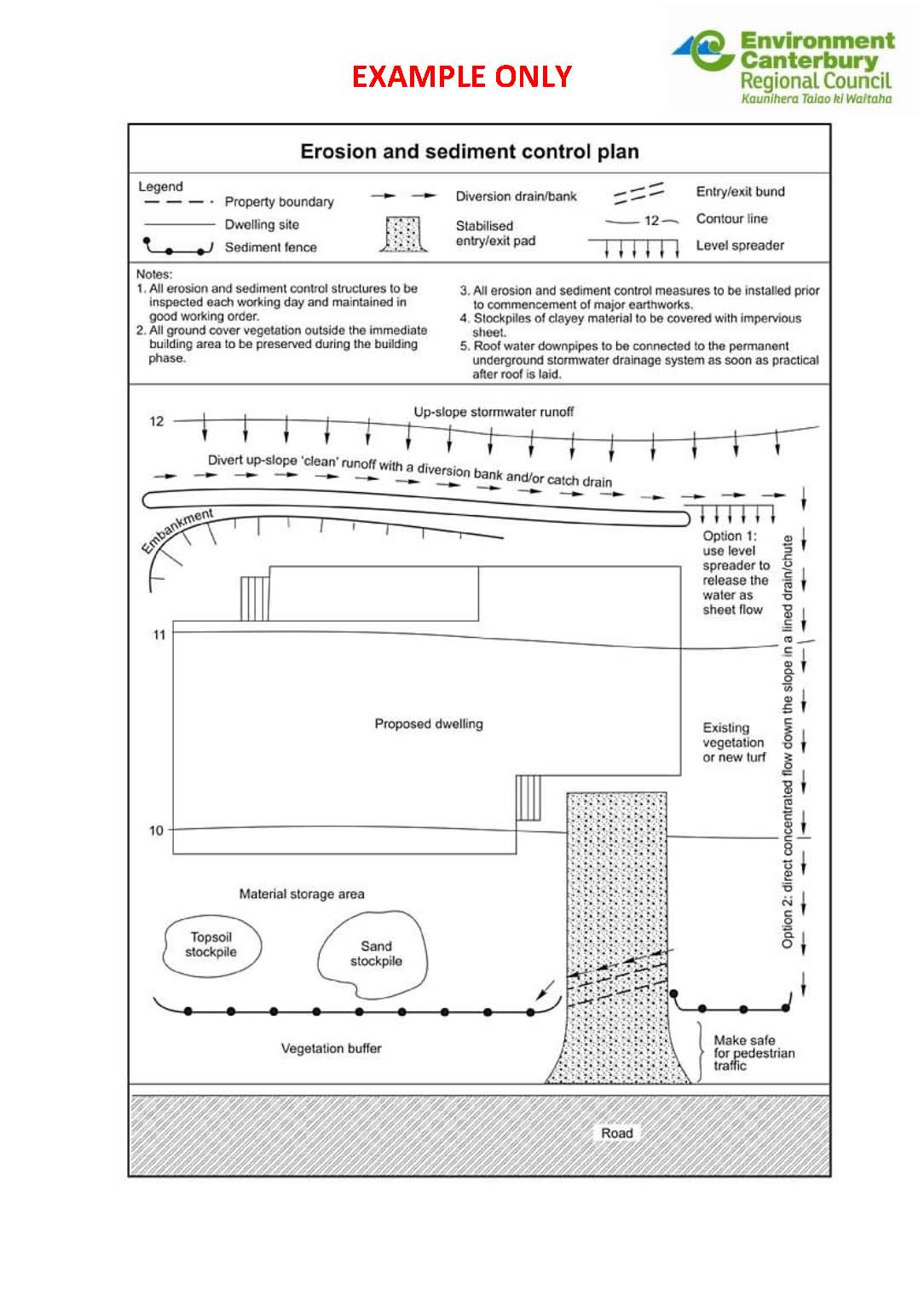
Preconstruction planning

Erosion and Sediment Control Plan sample + editable template
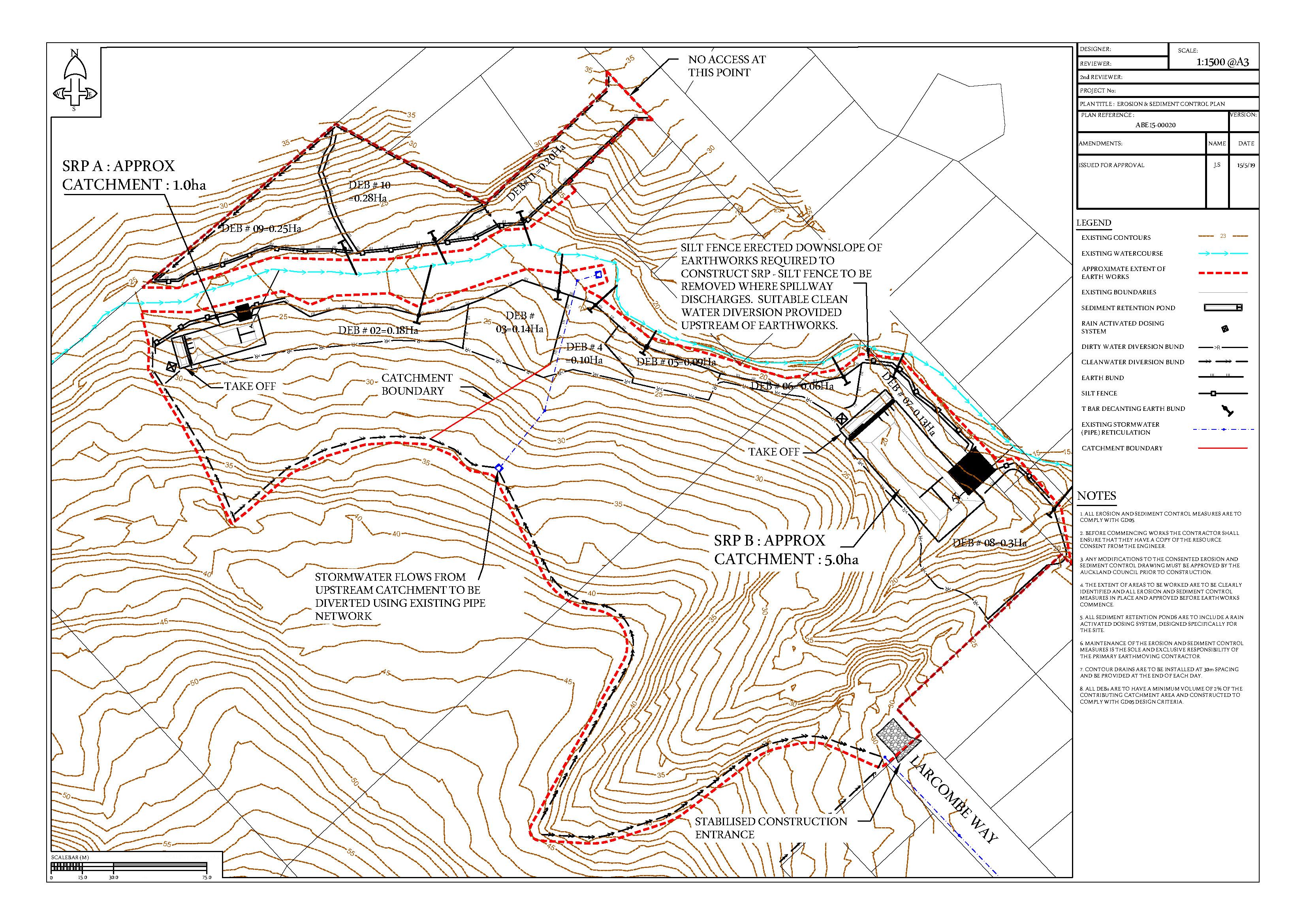
Erosion and Sediment Control Plan www.esccanterbury.co.nz
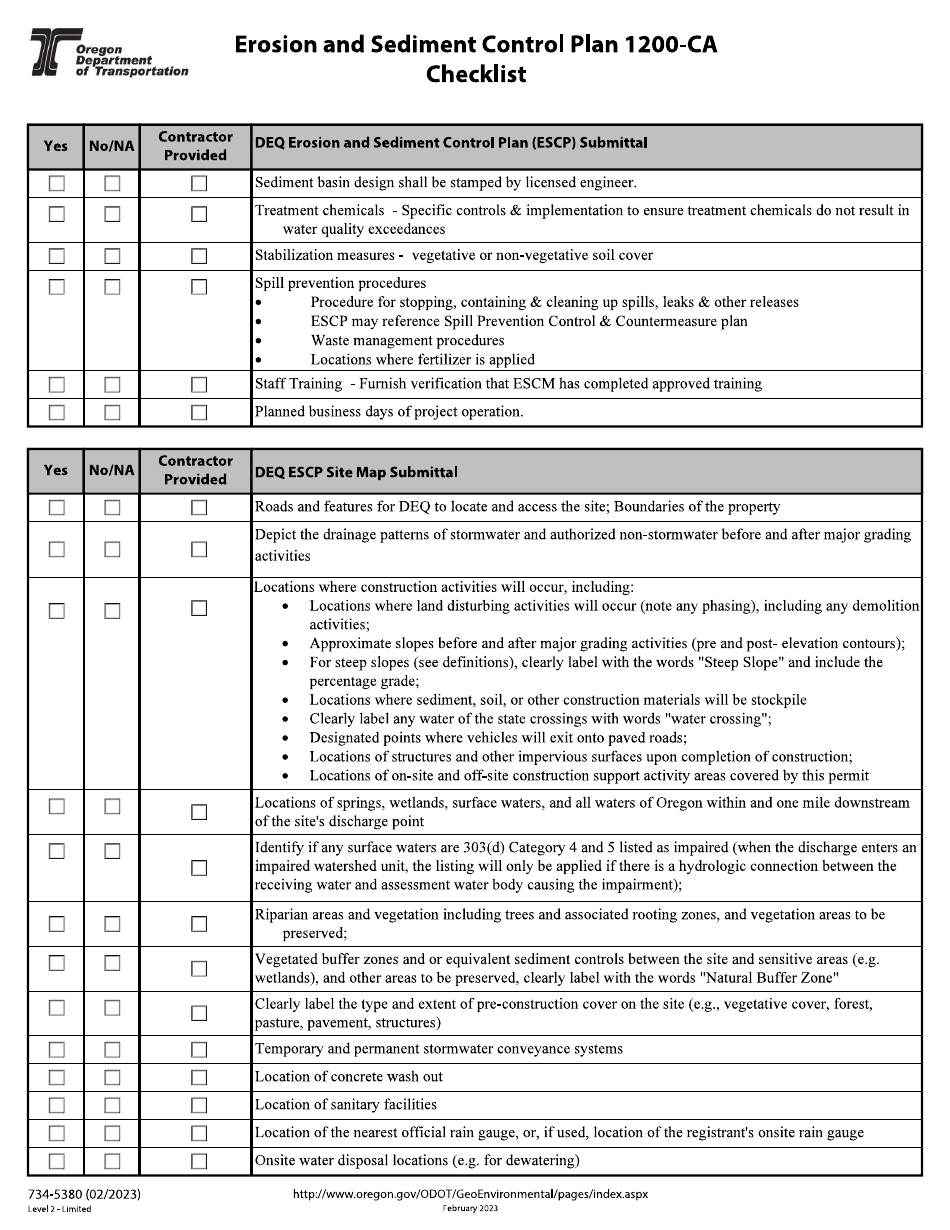
Form 7345380 Download Fillable PDF or Fill Online Erosion and Sediment

Erosion and Sediment Control Application The City of Milford
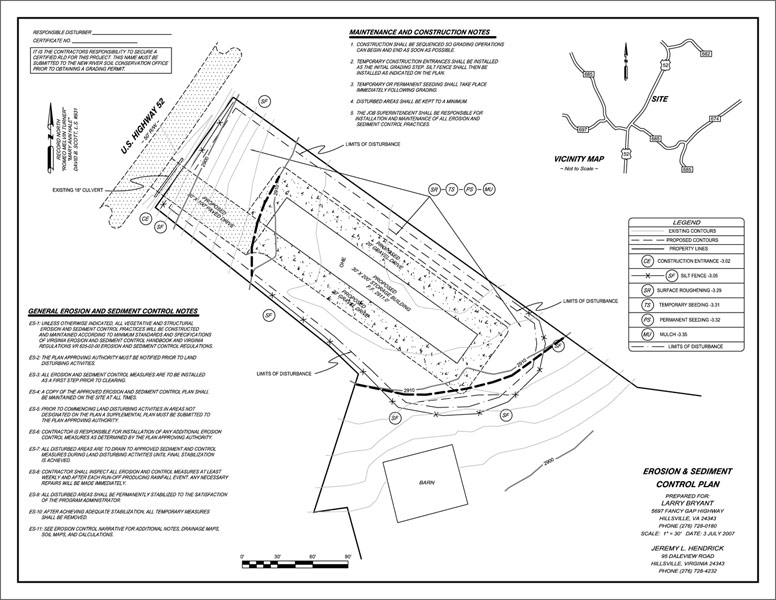
Erosion Control Plan Drawing Erosion And Sediment Control Plan

Erosion and Sediment Control Plan sample + editable template
Ce100 Demolition and Erosion and Sediment Control Plan Rev Ce 008
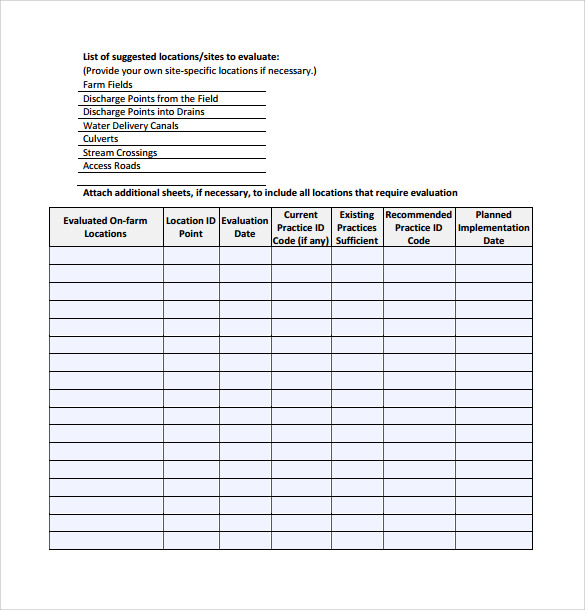
FREE 6+ Sample Control Plan Templates in PDF MS Word Excel

Erosion and Sediment Control The Key to a Successful Construction
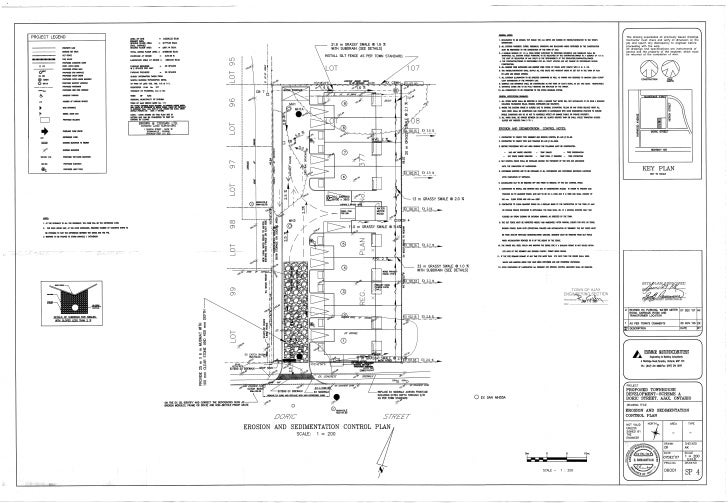
Erosion and sedimentation control plan sp4 june26 08

Erosion and Sediment Control Plan sample + editable template
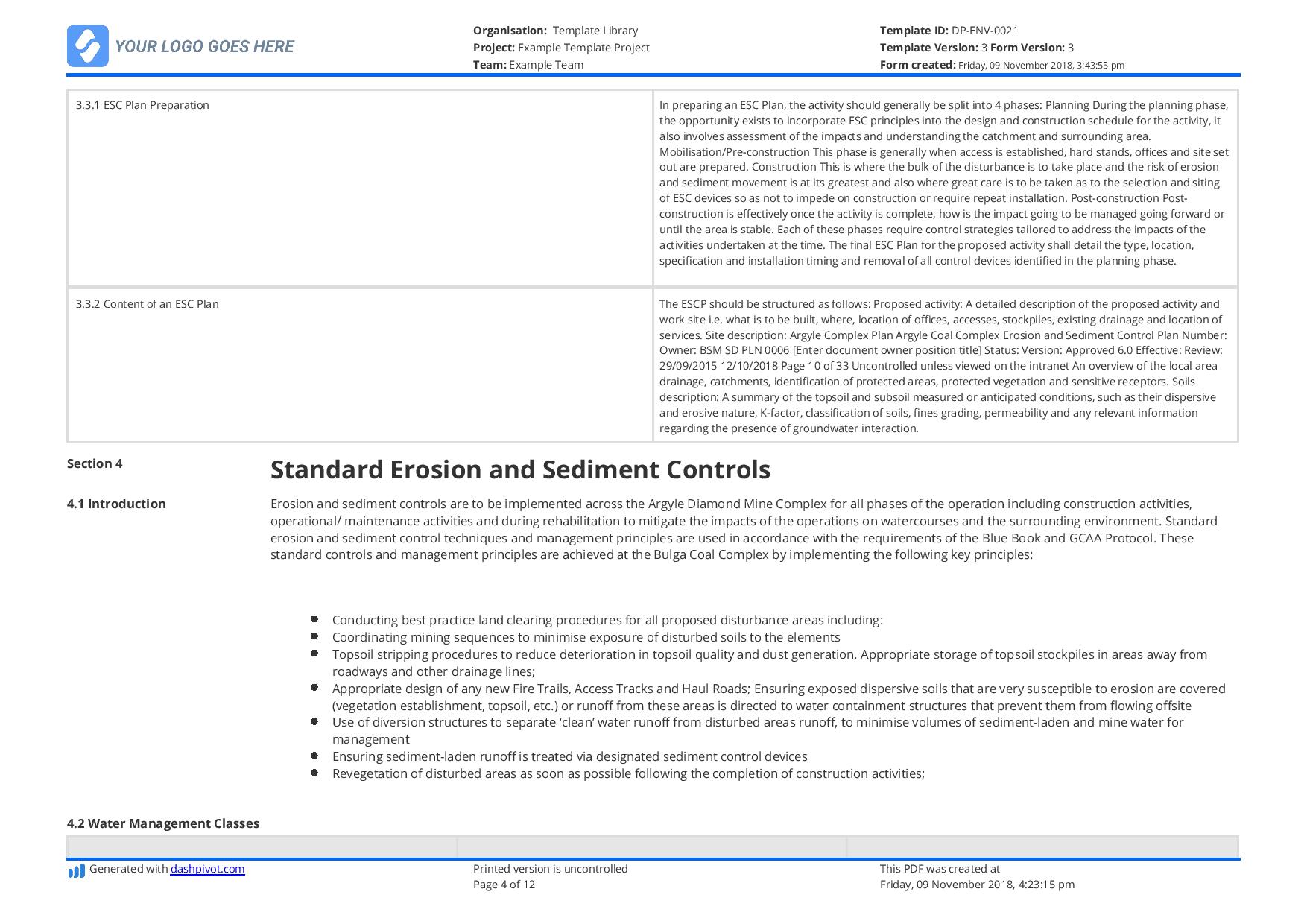
Erosion and Sediment Control Plan sample + editable template
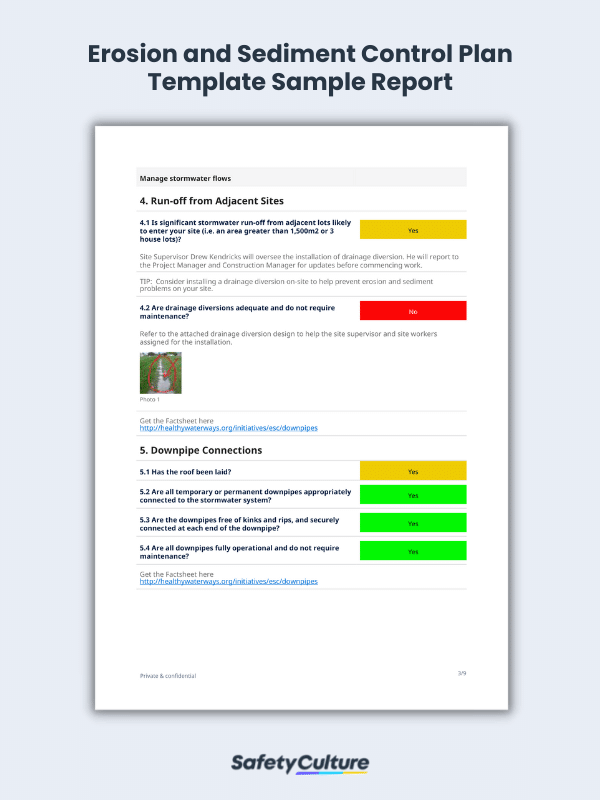
Erosion and Sediment Control Plan Template PDF SafetyCulture
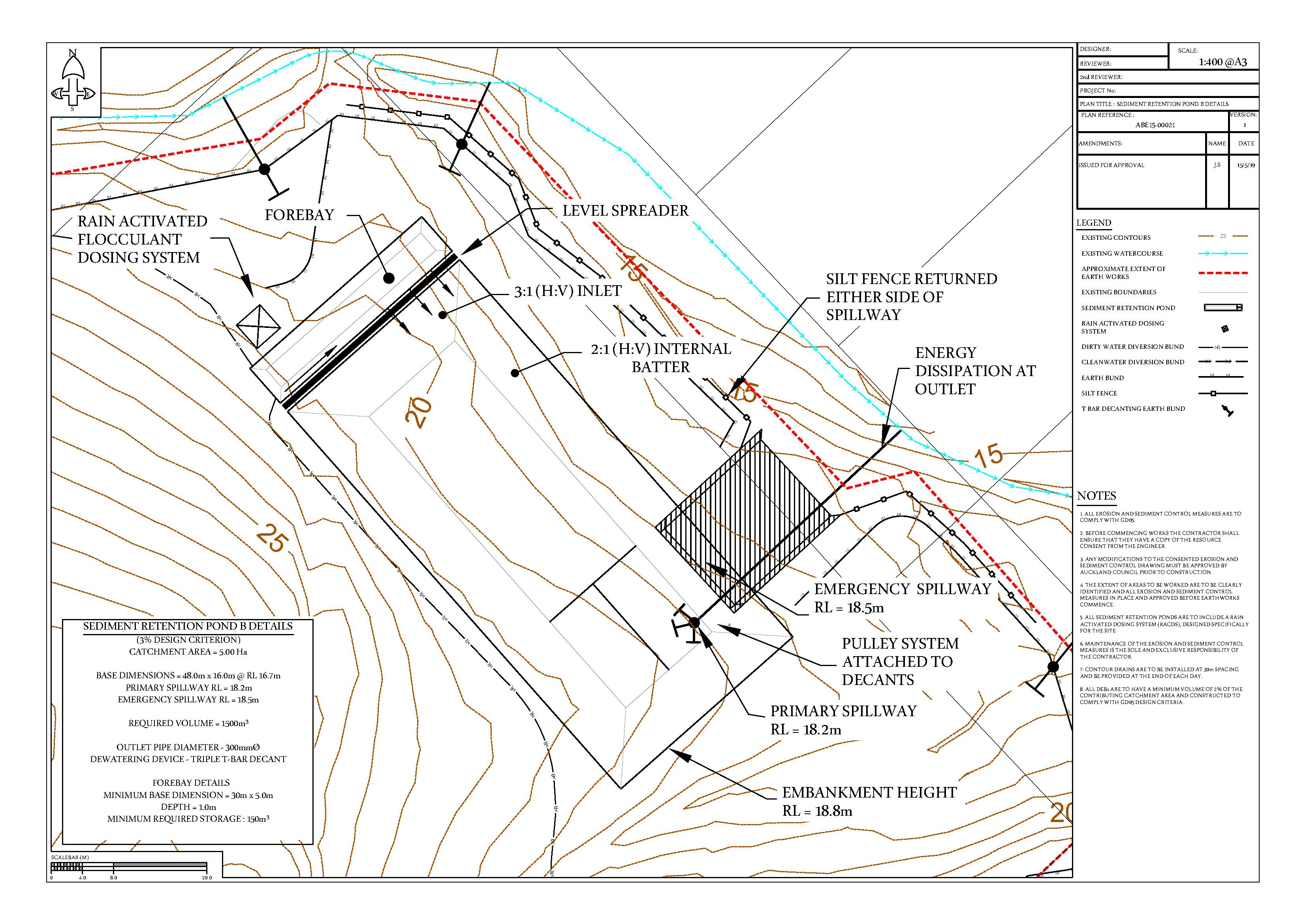
Erosion and Sediment Control Plan www.esccanterbury.co.nz
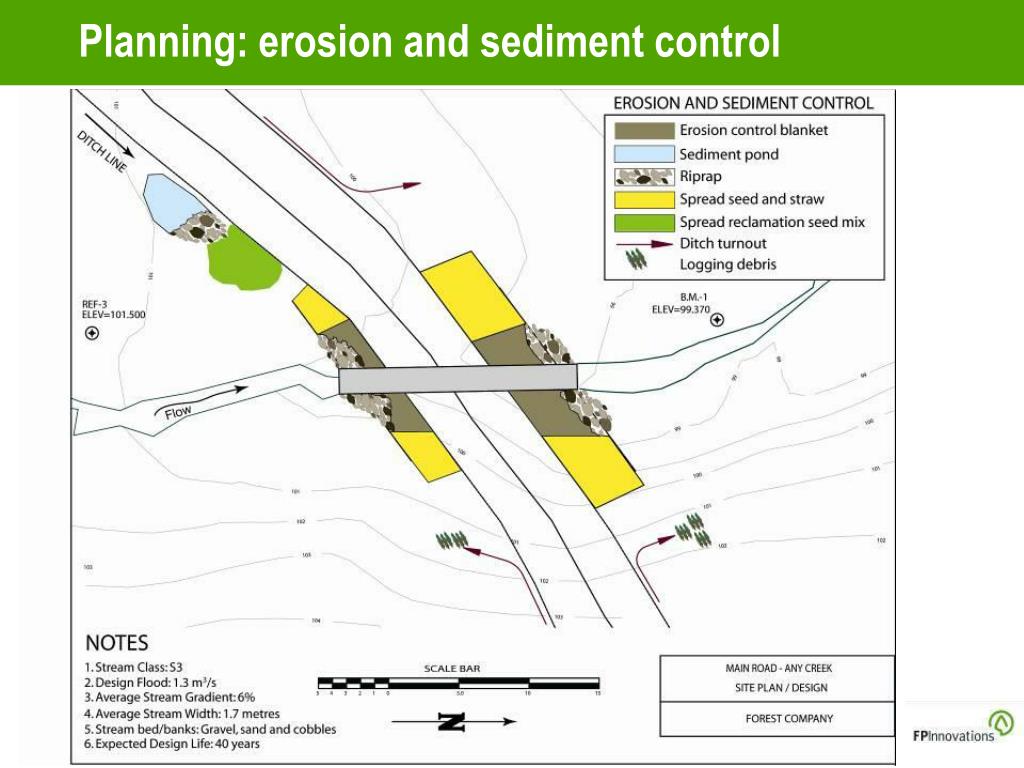
PPT Erosion and sediment control Handbook introduction PowerPoint
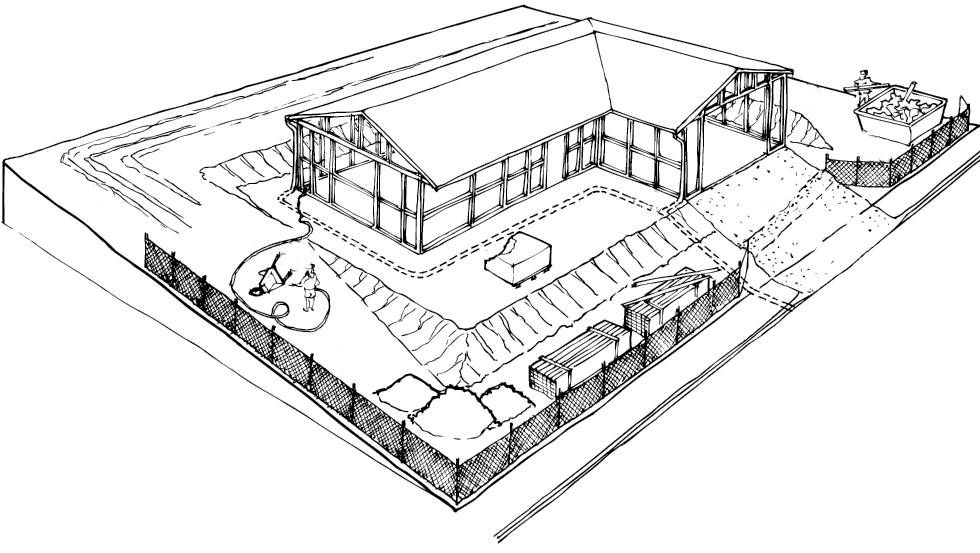
Erosion Control Plan Catawba County, North Carolina

Erosion And Sediment Control Plan Template IAQJW

Erosion and Sediment Control Plan sample + editable template

Erosion and Sediment Control Plan sample + editable template

Erosion and Sediment Control Plan sample + editable template

Erosion and Sediment Control Plan sample + editable template

Erosion and Sediment Control Plan sample + editable template

Erosion and Sediment Control Plan sample + editable template

Erosion and Sediment Control Plan sample + editable template
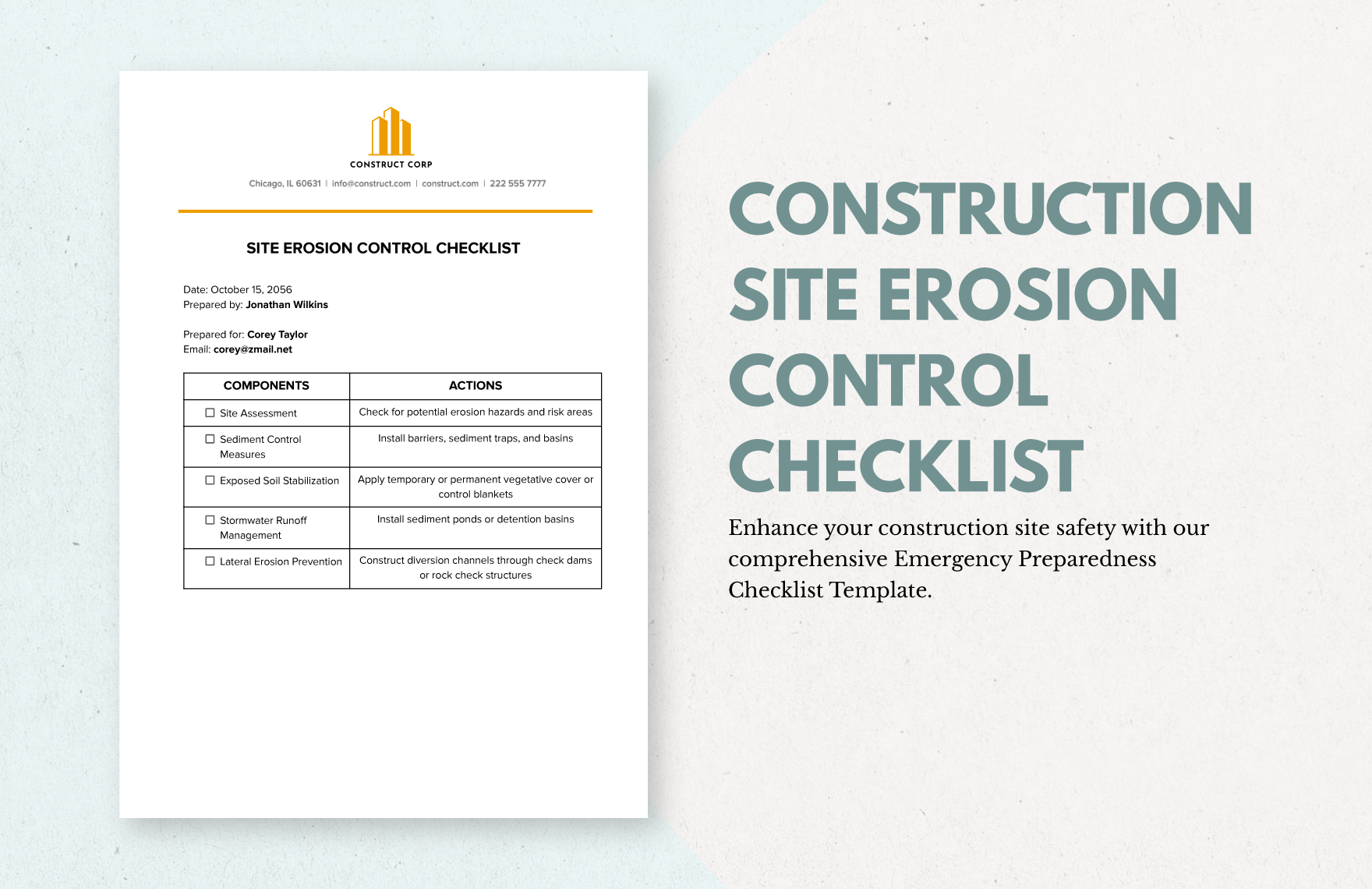
Erosion Control Plan Checklist at Marjorie Clouse blog
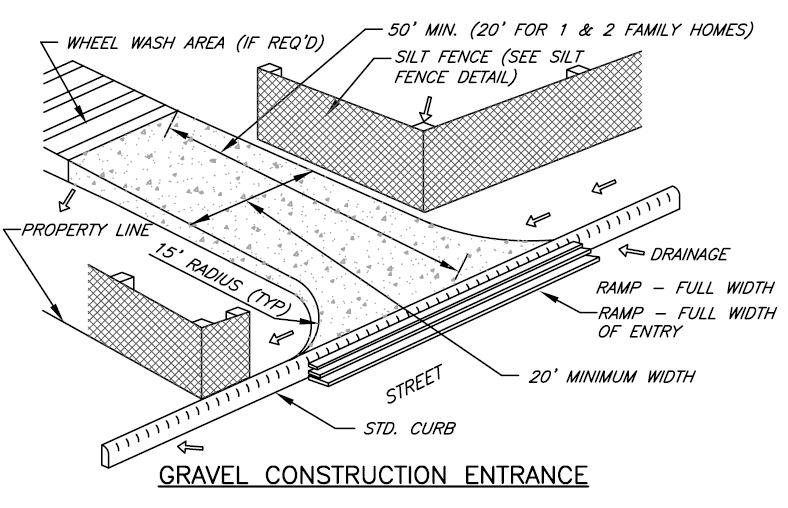
Erosion Control on Construction Sites Superior Groundcover

Erosion and Sediment Control Plan sample + editable template
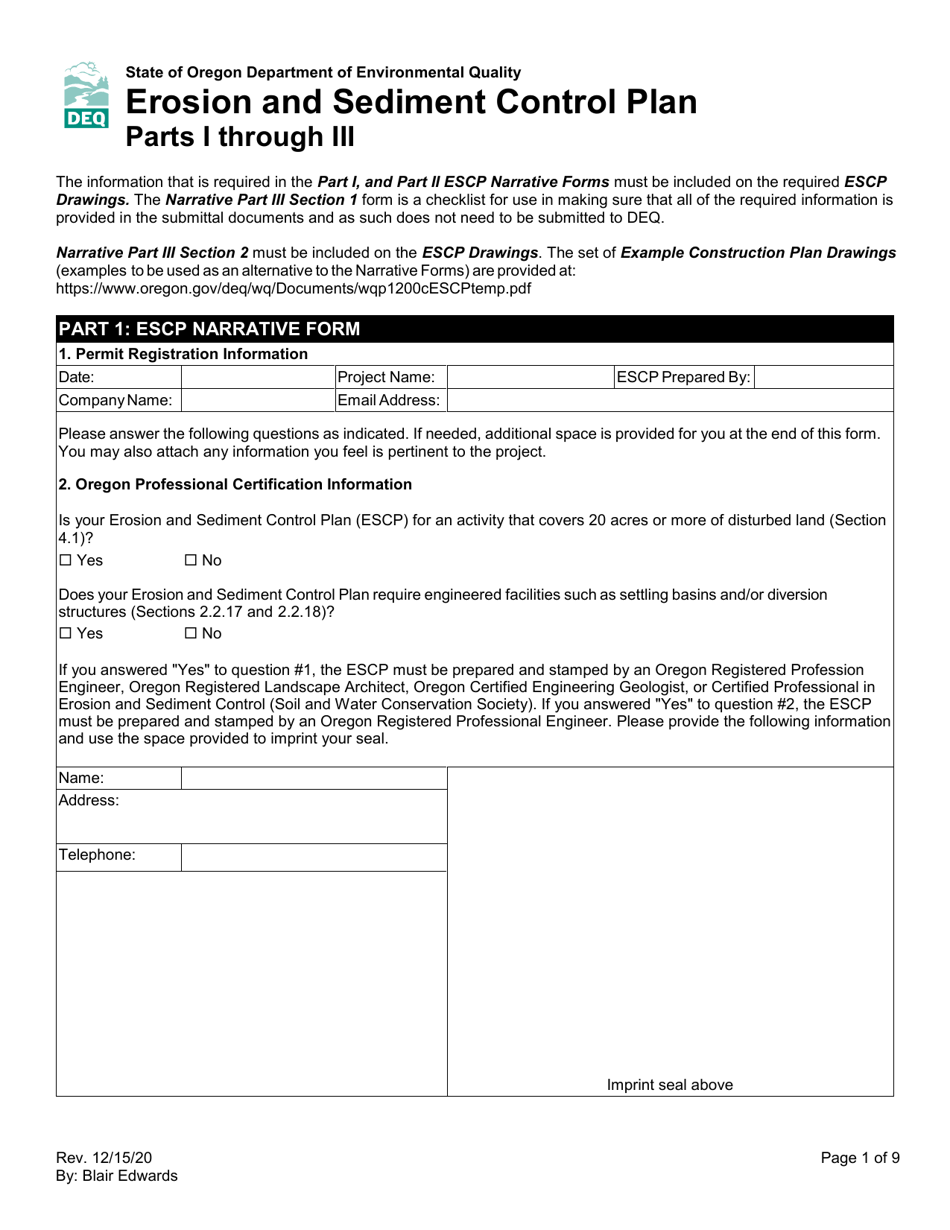
Oregon Erosion and Sediment Control Plan Parts I Through Iii Fill
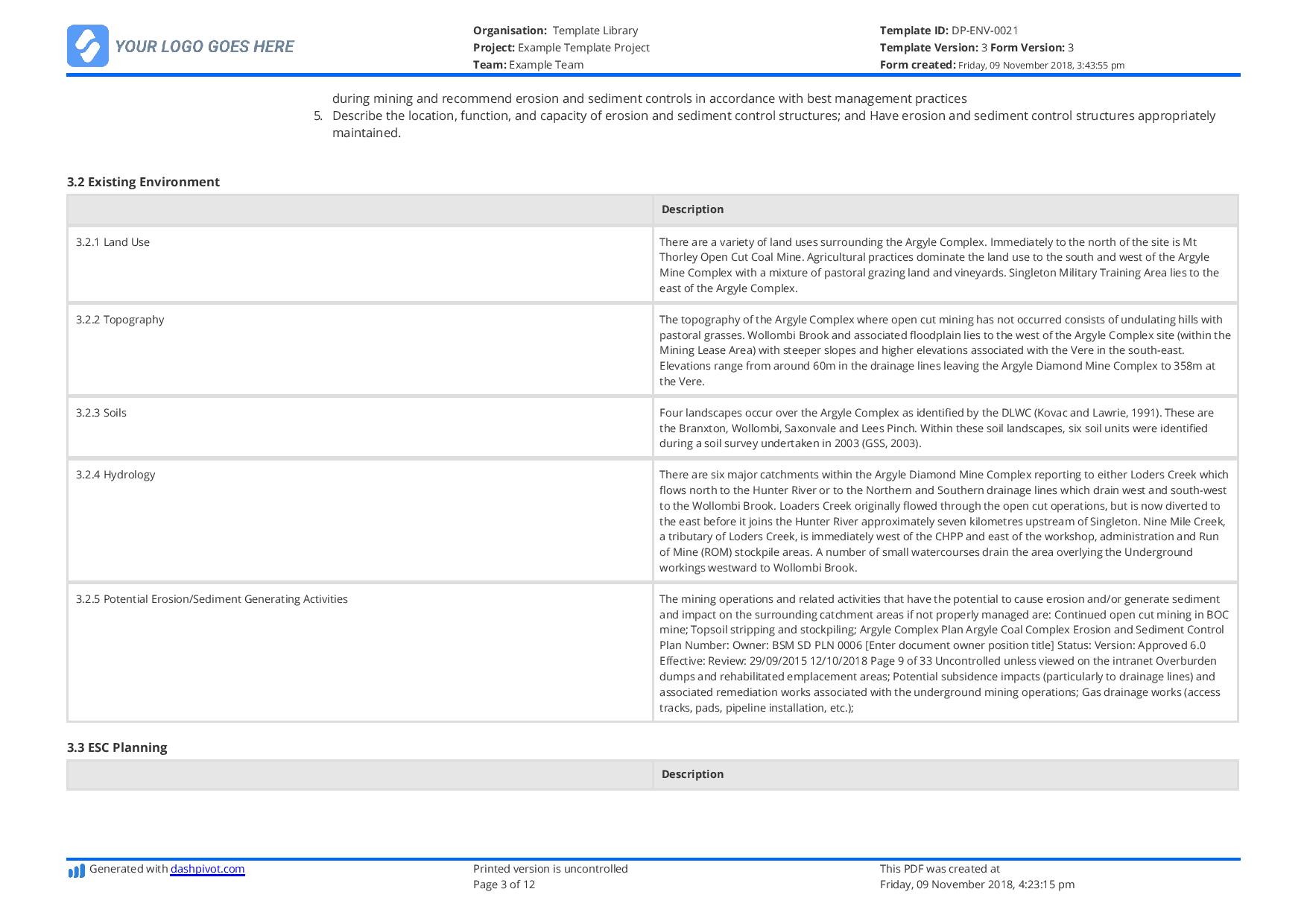
Erosion and Sediment Control Plan sample + editable template
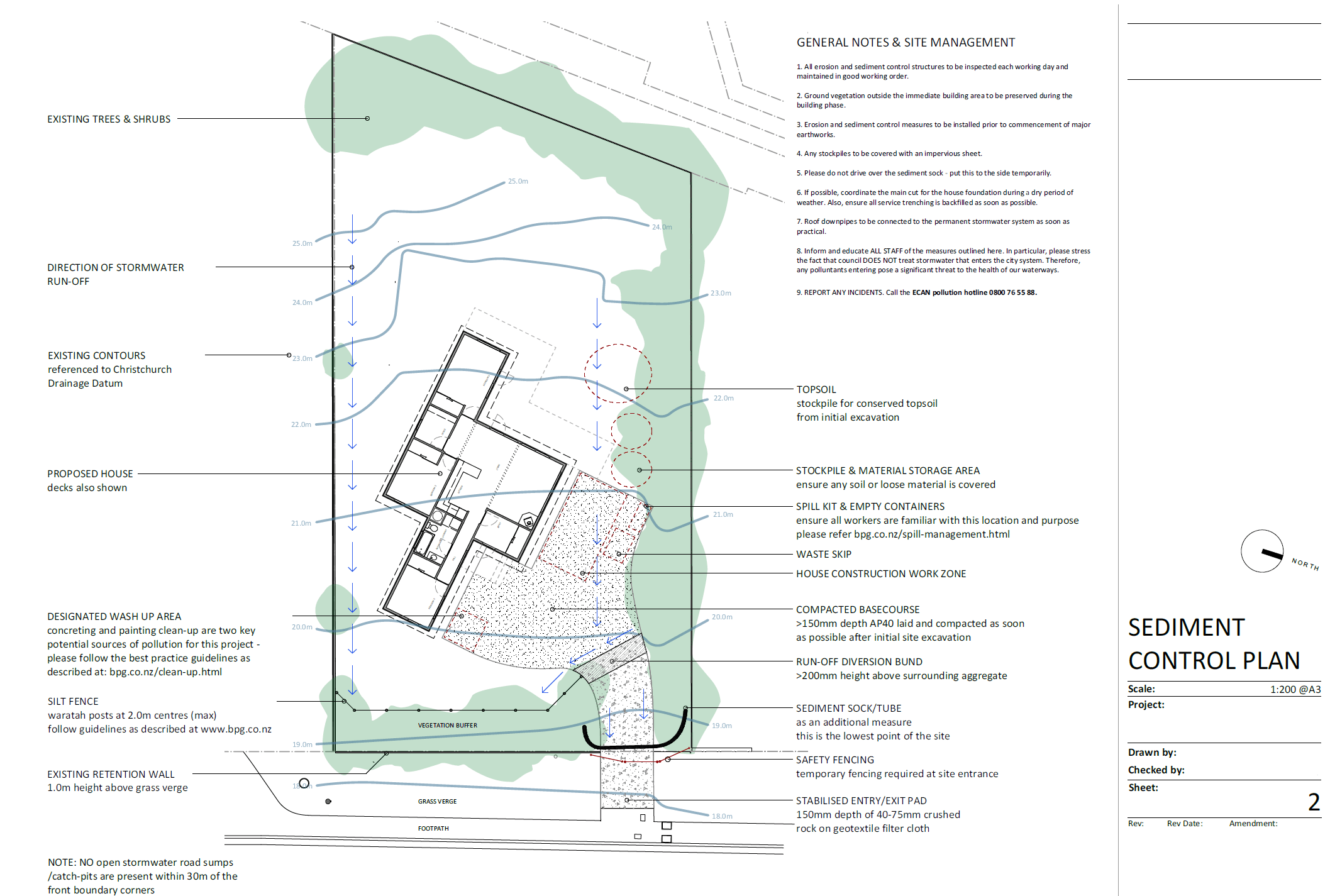
Erosion and sediment control best practice on small sites

Erosion And Sediment Control Plan Template IAQJW
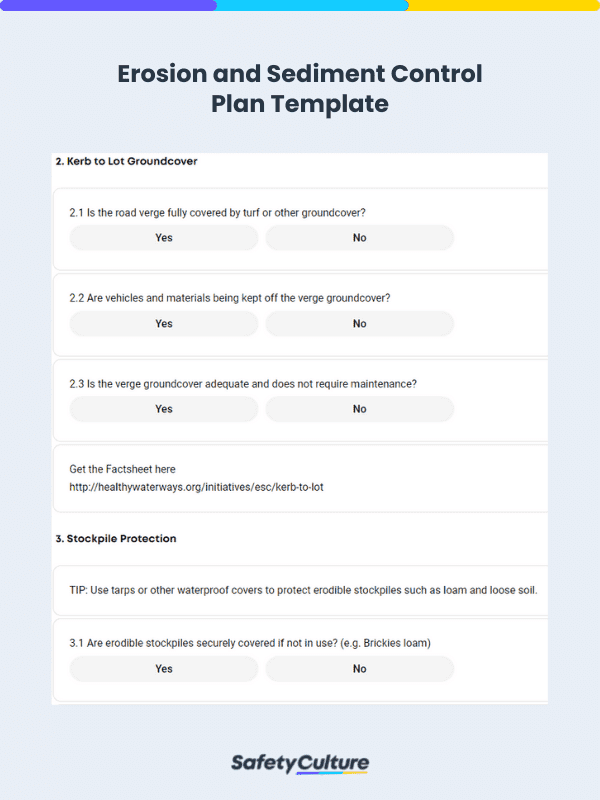
Erosion and Sediment Control Plan Template PDF SafetyCulture
Splash Erosion, Sheet Erosion, Rill Erosion, And Gully Erosion.
Learn About Erosion In Geology.
Erosion Is The Movement And Transportation Of Those Particles By Natural Forces Such As Water, Wind, Ice, Or Gravity.
Rainfall, And The Surface Runoff Which May Result From Rainfall, Produce Four Main Types Of Soil Erosion:
Related Post:
