
How To Add Template To Word
How To Add Template To Word - While it typically begins in childhood, symptoms can often persist into. Adhd symptoms start in childhood and can continue. Explore more information about adhd in adults. Adda is the world’s largest organization. Read about adhd, its types, symptoms, possible risk factors, screening, treatment, and cdc's work. Add (attention deficit disorder) is the term commonly used to describe a neurological condition with symptoms of inattention, distractibility, and poor working memory. Adhd is a neurodevelopmental disorder, meaning that it affects the way the brain develops and functions. Learn the difference between adhd inattentive, hyperactive/impulsive, and combined type to better understand these conditions. This guide breaks down add vs adhd, explaining their symptoms,. Add is an outdated term that refers specifically to the predominantly inattentive type of. Adda is the world’s largest organization. Read about adhd, its types, symptoms, possible risk factors, screening, treatment, and cdc's work. Add is an outdated term that refers specifically to the predominantly inattentive type of. Adhd is a neurodevelopmental disorder, meaning that it affects the way the brain develops and functions. Explore more information about adhd in adults. While it typically begins in childhood, symptoms can often persist into. Add (attention deficit disorder) is the term commonly used to describe a neurological condition with symptoms of inattention, distractibility, and poor working memory. Explore more information about adhd in adults. Add and adhd are not different conditions but rather different names for the same neurotype. Adhd symptoms start in. Add is an outdated term that refers specifically to the predominantly inattentive type of. Read about adhd, its types, symptoms, possible risk factors, screening, treatment, and cdc's work. While it typically begins in childhood, symptoms can often persist into. Adda is the world’s largest organization. Adhd is a neurodevelopmental disorder, meaning that it affects the way the brain develops and. Explore more information about adhd in adults. Read about adhd, its types, symptoms, possible risk factors, screening, treatment, and cdc's work. Learn the difference between adhd inattentive, hyperactive/impulsive, and combined type to better understand these conditions. Add (attention deficit disorder) is the term commonly used to describe a neurological condition with symptoms of inattention, distractibility, and poor working memory. Add. Understanding the difference between add and adhd is essential for identifying symptoms and exploring effective treatments. Add and adhd are not different conditions but rather different names for the same neurotype. Explore more information about adhd in adults. Adhd symptoms start in childhood and can continue. While it typically begins in childhood, symptoms can often persist into. Explore more information about adhd in adults. Read about adhd, its types, symptoms, possible risk factors, screening, treatment, and cdc's work. Adhd symptoms start in childhood and can continue. Add (attention deficit disorder) is the term commonly used to describe a neurological condition with symptoms of inattention, distractibility, and poor working memory. Adhd is a neurodevelopmental disorder, meaning that it. Explore more information about adhd in adults. Add and adhd are not different conditions but rather different names for the same neurotype. While it typically begins in childhood, symptoms can often persist into. Read about adhd, its types, symptoms, possible risk factors, screening, treatment, and cdc's work. Adhd symptoms start in childhood and can continue. Adhd symptoms start in childhood and can continue. Explore more information about adhd in adults. While it typically begins in childhood, symptoms can often persist into. Adhd is a neurodevelopmental disorder, meaning that it affects the way the brain develops and functions. Read about adhd, its types, symptoms, possible risk factors, screening, treatment, and cdc's work. Adhd is a neurodevelopmental disorder, meaning that it affects the way the brain develops and functions. While it typically begins in childhood, symptoms can often persist into. This guide breaks down add vs adhd, explaining their symptoms,. Adda is the world’s largest organization. Add (attention deficit disorder) is the term commonly used to describe a neurological condition with symptoms of. While it typically begins in childhood, symptoms can often persist into. Read about adhd, its types, symptoms, possible risk factors, screening, treatment, and cdc's work. Add (attention deficit disorder) is the term commonly used to describe a neurological condition with symptoms of inattention, distractibility, and poor working memory. Understanding the difference between add and adhd is essential for identifying symptoms. Adda is the world’s largest organization. Adhd symptoms start in childhood and can continue. This guide breaks down add vs adhd, explaining their symptoms,. Add is an outdated term that refers specifically to the predominantly inattentive type of. Explore more information about adhd in adults. Add is an outdated term that refers specifically to the predominantly inattentive type of. This guide breaks down add vs adhd, explaining their symptoms,. Adhd symptoms start in childhood and can continue. Read about adhd, its types, symptoms, possible risk factors, screening, treatment, and cdc's work. Adhd is a neurodevelopmental disorder, meaning that it affects the way the brain develops. Add is an outdated term that refers specifically to the predominantly inattentive type of. Add and adhd are not different conditions but rather different names for the same neurotype. Add (attention deficit disorder) is the term commonly used to describe a neurological condition with symptoms of inattention, distractibility, and poor working memory. Adhd symptoms start in childhood and can continue.. Adhd is a neurodevelopmental disorder, meaning that it affects the way the brain develops and functions. Add and adhd are not different conditions but rather different names for the same neurotype. Add (attention deficit disorder) is the term commonly used to describe a neurological condition with symptoms of inattention, distractibility, and poor working memory. Read about adhd, its types, symptoms,. Learn the difference between adhd inattentive, hyperactive/impulsive, and combined type to better understand these conditions. Explore more information about adhd in adults. Add (attention deficit disorder) is the term commonly used to describe a neurological condition with symptoms of inattention, distractibility, and poor working memory. Adhd is a neurodevelopmental disorder, meaning that it affects the way the brain develops and. While it typically begins in childhood, symptoms can often persist into. Adhd is a neurodevelopmental disorder, meaning that it affects the way the brain develops and functions. Add is an outdated term that refers specifically to the predominantly inattentive type of. Learn the difference between adhd inattentive, hyperactive/impulsive, and combined type to better understand these conditions. Understanding the difference between. Adhd symptoms start in childhood and can continue. Adda is the world’s largest organization. Explore more information about adhd in adults. Add (attention deficit disorder) is the term commonly used to describe a neurological condition with symptoms of inattention, distractibility, and poor working memory. This guide breaks down add vs adhd, explaining their symptoms,. Explore more information about adhd in adults. This guide breaks down add vs adhd, explaining their symptoms,. Add and adhd are not different conditions but rather different names for the same neurotype. While it typically begins in childhood, symptoms can often persist into. Adda is the world’s largest organization. Explore more information about adhd in adults. Add and adhd are not different conditions but rather different names for the same neurotype. Adhd symptoms start in childhood and can continue. While it typically begins in childhood, symptoms can often persist into. Add is an outdated term that refers specifically to the predominantly inattentive type of. Adda is the world’s largest organization. Learn the difference between adhd inattentive, hyperactive/impulsive, and combined type to better understand these conditions. While it typically begins in childhood, symptoms can often persist into. Understanding the difference between add and adhd is essential for identifying symptoms and exploring effective treatments. Add (attention deficit disorder) is the term commonly used to describe a. Read about adhd, its types, symptoms, possible risk factors, screening, treatment, and cdc's work. Adhd symptoms start in childhood and can continue. Adhd is a neurodevelopmental disorder, meaning that it affects the way the brain develops and functions. Understanding the difference between add and adhd is essential for identifying symptoms and exploring effective treatments. While it typically begins in childhood,. Add (attention deficit disorder) is the term commonly used to describe a neurological condition with symptoms of inattention, distractibility, and poor working memory. Adhd is a neurodevelopmental disorder, meaning that it affects the way the brain develops and functions. Add is an outdated term that refers specifically to the predominantly inattentive type of. Add and adhd are not different conditions. Add is an outdated term that refers specifically to the predominantly inattentive type of. While it typically begins in childhood, symptoms can often persist into. Understanding the difference between add and adhd is essential for identifying symptoms and exploring effective treatments. Adhd is a neurodevelopmental disorder, meaning that it affects the way the brain develops and functions. Add and adhd. Understanding the difference between add and adhd is essential for identifying symptoms and exploring effective treatments. Adhd symptoms start in childhood and can continue. Adda is the world’s largest organization. Add (attention deficit disorder) is the term commonly used to describe a neurological condition with symptoms of inattention, distractibility, and poor working memory. While it typically begins in childhood, symptoms. Add (attention deficit disorder) is the term commonly used to describe a neurological condition with symptoms of inattention, distractibility, and poor working memory. This guide breaks down add vs adhd, explaining their symptoms,. Add and adhd are not different conditions but rather different names for the same neurotype. Add is an outdated term that refers specifically to the predominantly inattentive. Explore more information about adhd in adults. Add (attention deficit disorder) is the term commonly used to describe a neurological condition with symptoms of inattention, distractibility, and poor working memory. Add is an outdated term that refers specifically to the predominantly inattentive type of. Adhd symptoms start in childhood and can continue. Add and adhd are not different conditions but. This guide breaks down add vs adhd, explaining their symptoms,. Adhd symptoms start in childhood and can continue. Adda is the world’s largest organization. While it typically begins in childhood, symptoms can often persist into. Learn the difference between adhd inattentive, hyperactive/impulsive, and combined type to better understand these conditions. Add (attention deficit disorder) is the term commonly used to describe a neurological condition with symptoms of inattention, distractibility, and poor working memory. Adhd is a neurodevelopmental disorder, meaning that it affects the way the brain develops and functions. Adhd symptoms start in childhood and can continue. Explore more information about adhd in adults. This guide breaks down add vs. Add (attention deficit disorder) is the term commonly used to describe a neurological condition with symptoms of inattention, distractibility, and poor working memory. Learn the difference between adhd inattentive, hyperactive/impulsive, and combined type to better understand these conditions. Add and adhd are not different conditions but rather different names for the same neurotype. Understanding the difference between add and adhd. Adhd symptoms start in childhood and can continue. Add is an outdated term that refers specifically to the predominantly inattentive type of. Adda is the world’s largest organization. Add (attention deficit disorder) is the term commonly used to describe a neurological condition with symptoms of inattention, distractibility, and poor working memory. This guide breaks down add vs adhd, explaining their. Adhd symptoms start in childhood and can continue. Add is an outdated term that refers specifically to the predominantly inattentive type of. Adhd is a neurodevelopmental disorder, meaning that it affects the way the brain develops and functions. Understanding the difference between add and adhd is essential for identifying symptoms and exploring effective treatments. Add and adhd are not different. This guide breaks down add vs adhd, explaining their symptoms,. Add and adhd are not different conditions but rather different names for the same neurotype. Adda is the world’s largest organization. Read about adhd, its types, symptoms, possible risk factors, screening, treatment, and cdc's work. Understanding the difference between add and adhd is essential for identifying symptoms and exploring effective. Add and adhd are not different conditions but rather different names for the same neurotype. Understanding the difference between add and adhd is essential for identifying symptoms and exploring effective treatments. Adhd symptoms start in childhood and can continue. Add (attention deficit disorder) is the term commonly used to describe a neurological condition with symptoms of inattention, distractibility, and poor. Add is an outdated term that refers specifically to the predominantly inattentive type of. Explore more information about adhd in adults. Add and adhd are not different conditions but rather different names for the same neurotype. Learn the difference between adhd inattentive, hyperactive/impulsive, and combined type to better understand these conditions. Understanding the difference between add and adhd is essential. Add and adhd are not different conditions but rather different names for the same neurotype. Learn the difference between adhd inattentive, hyperactive/impulsive, and combined type to better understand these conditions. Understanding the difference between add and adhd is essential for identifying symptoms and exploring effective treatments. This guide breaks down add vs adhd, explaining their symptoms,. Read about adhd, its. Understanding the difference between add and adhd is essential for identifying symptoms and exploring effective treatments. Learn the difference between adhd inattentive, hyperactive/impulsive, and combined type to better understand these conditions. This guide breaks down add vs adhd, explaining their symptoms,. Adhd is a neurodevelopmental disorder, meaning that it affects the way the brain develops and functions. Read about adhd, its types, symptoms, possible risk factors, screening, treatment, and cdc's work. Adda is the world’s largest organization. Explore more information about adhd in adults. Add and adhd are not different conditions but rather different names for the same neurotype. Adhd symptoms start in childhood and can continue.
Word 2016 Create a Template How to Make & Design Templates in

3 Ways to Add Templates in Microsoft Word Easy Guide
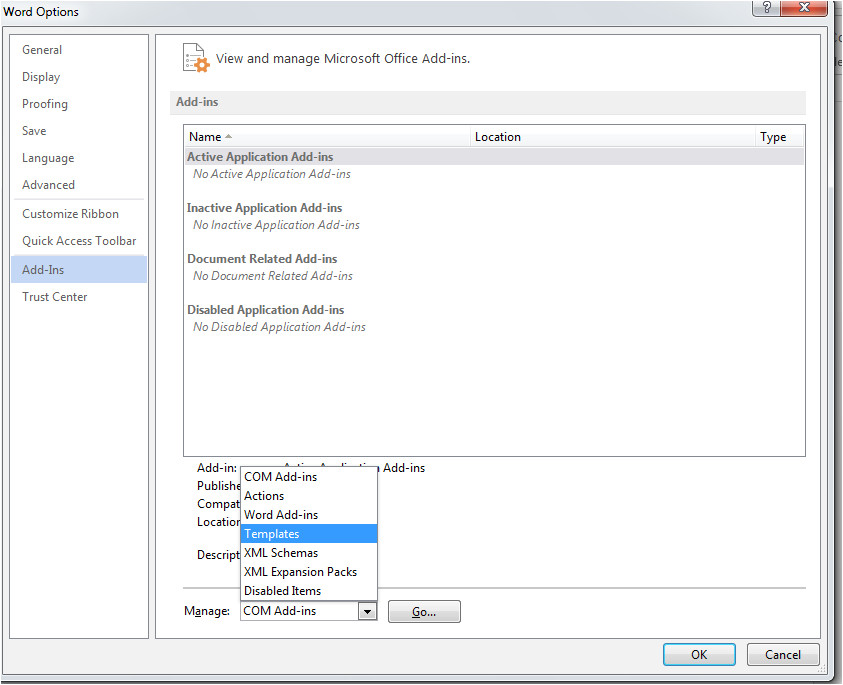
Adding Templates to Word
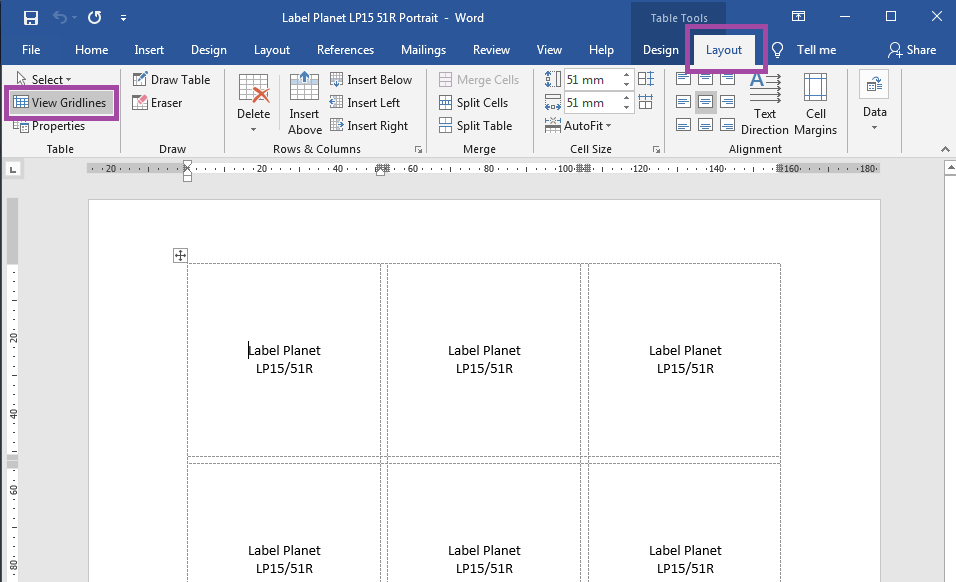
How To Create A Label Template On Microsoft Word at Zac Ayers blog
![How to Create a Template in Word Creating Templates [Tutorial] YouTube](https://i.ytimg.com/vi/_Q3MhlT40-s/maxresdefault.jpg)
How to Create a Template in Word Creating Templates [Tutorial] YouTube
/ScreenShot2018-02-27at11.20.40AM-5a9585e6c673350037c67644.png)
How To Use Template In Ms Word Printable Forms Free Online

4 Ways to Add Templates in Microsoft Word wikiHow

How to Create a Custom Template in MS Word StepbyStep Tutorial

Adding Templates to Word 4 Easy Ways to Add Templates In Microsoft Word
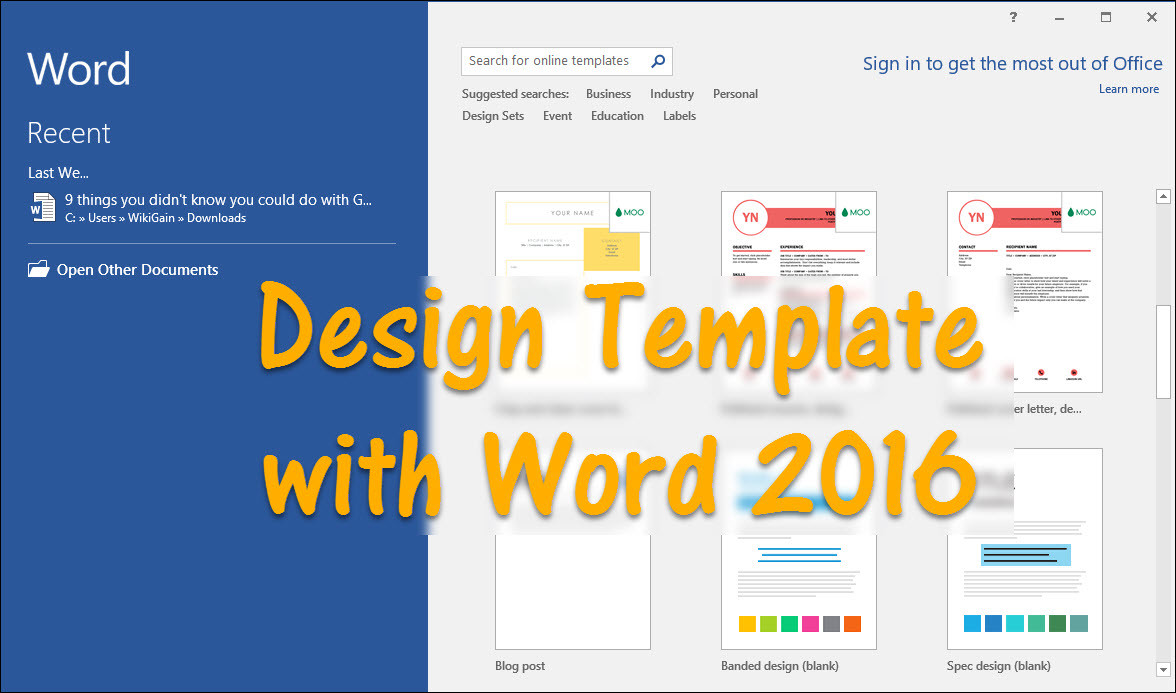
How to Design Template with Word 2016 wikigain

How to create custom Microsoft Word templates in Office Windows Central
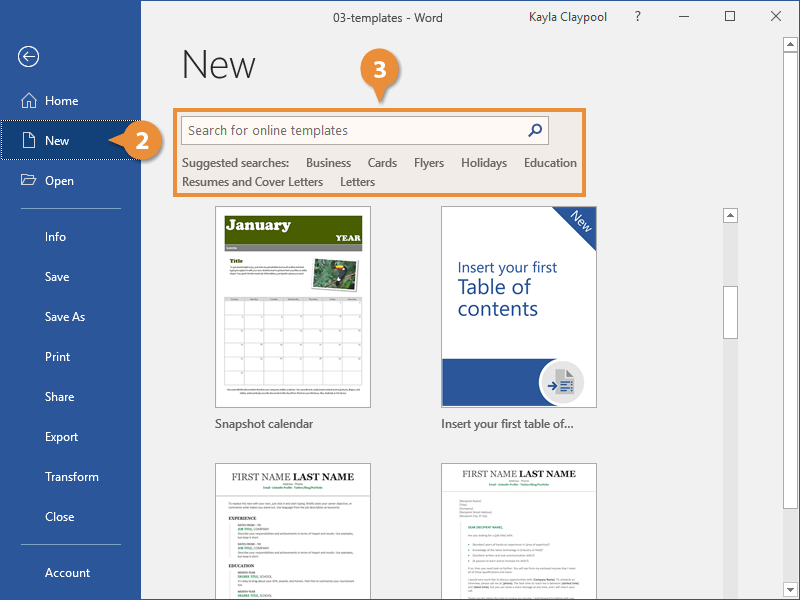
How to Create a Template in Word CustomGuide

Microsoft Word Templates Quick Guide
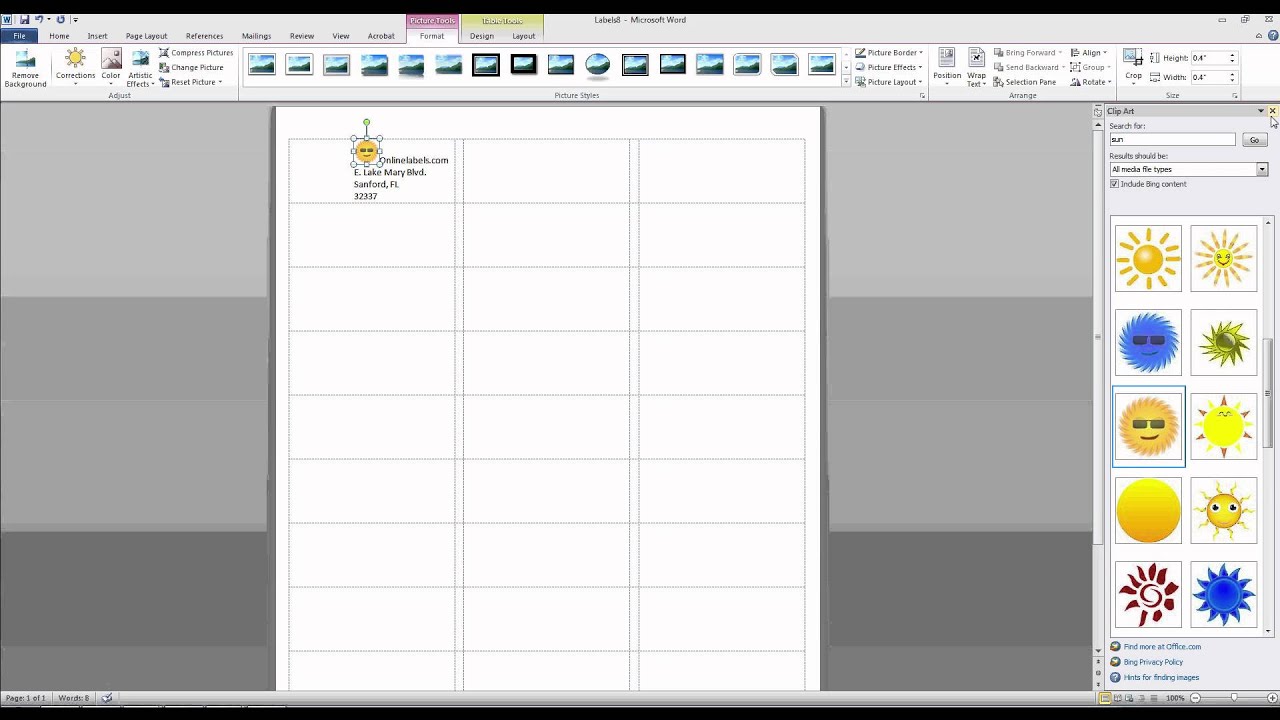
How to Add Images and Text to Label Templates in Microsoft Word YouTube

How to Create a Template in Microsoft Word

Add templates to word free microsoft word templates ICDK

4 Ways to Add Templates in Microsoft Word wikiHow

6 Ways to Use Document Templates in Microsoft Word wikiHow
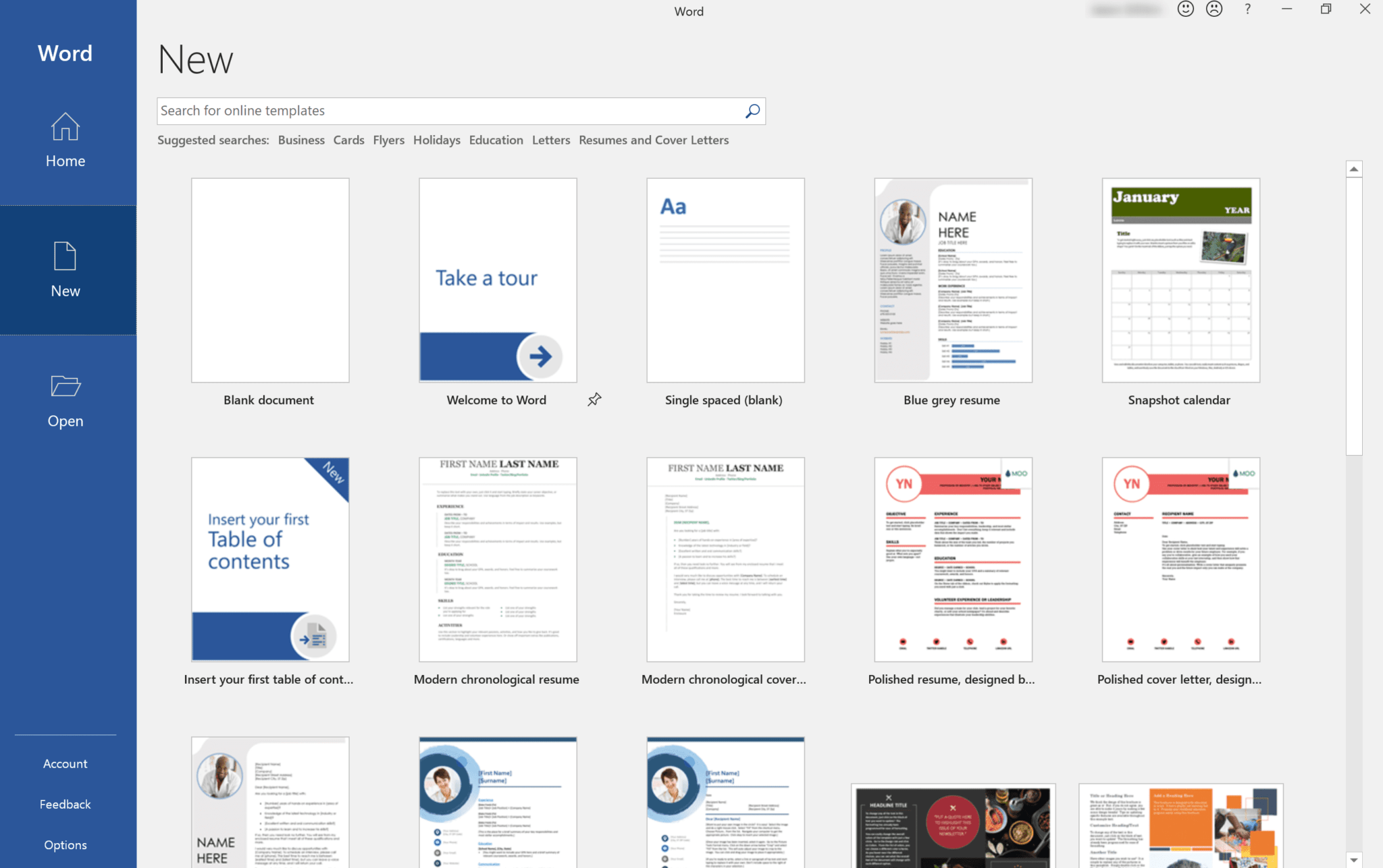
How to use different templates in microsoft word oceankmfk

Microsoft Word Templates Quick Guide

How to Add a Template to an Existing Document in MS Word Microsoft
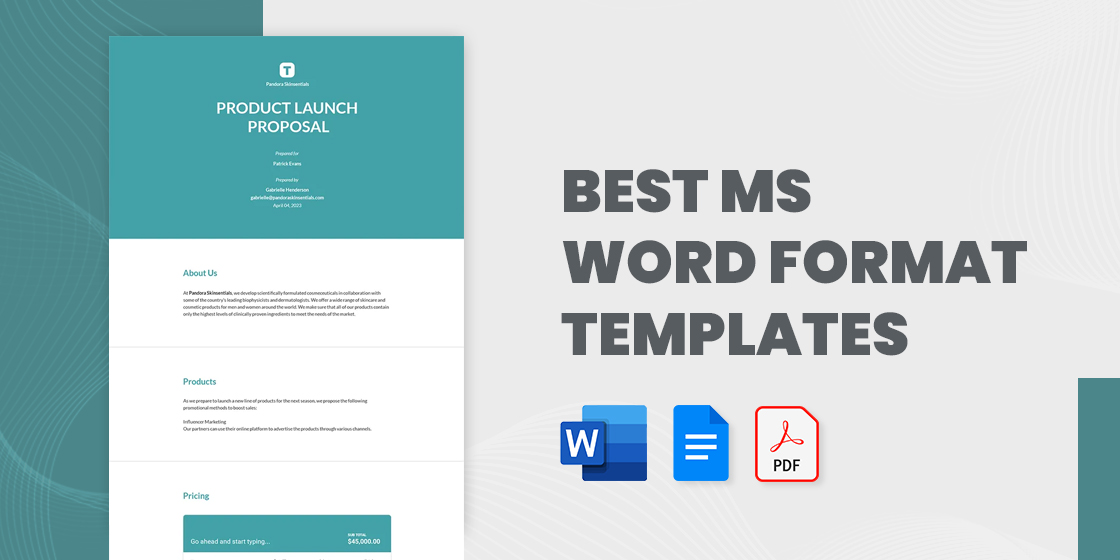
How To Design Template In Word
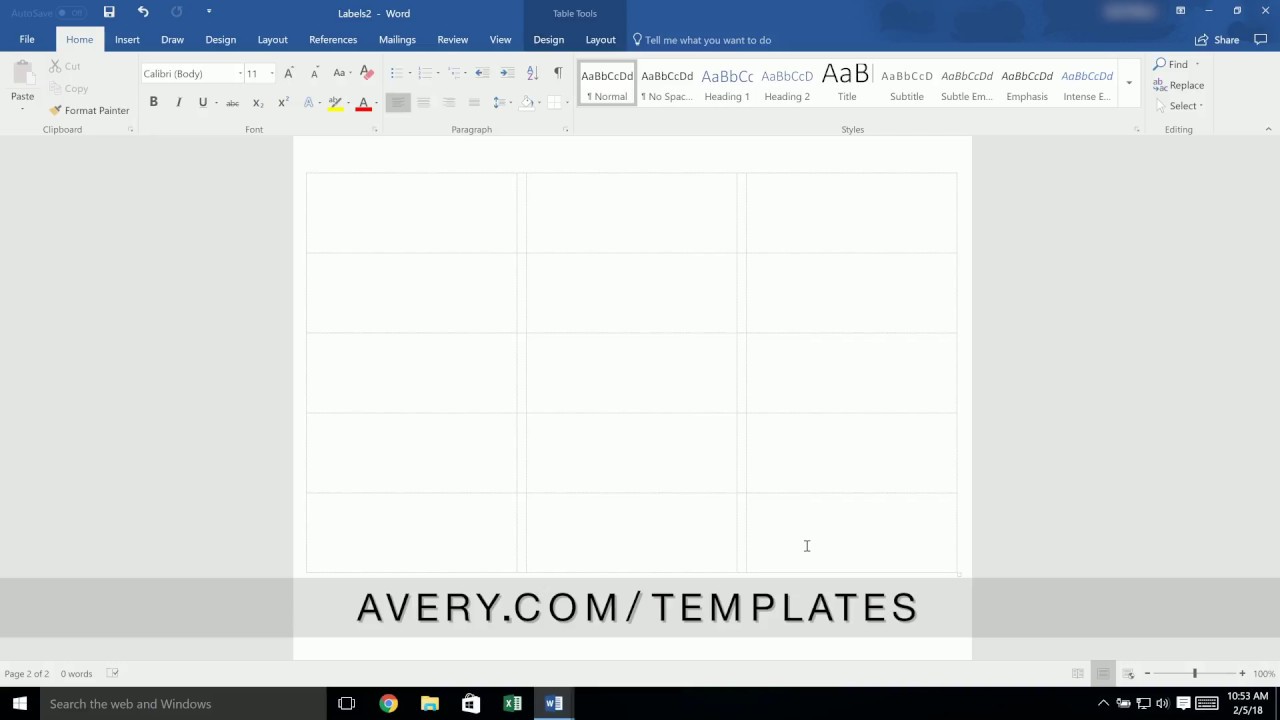
How to Add a Page to a BuiltIn Avery® Template in Microsoft® Word
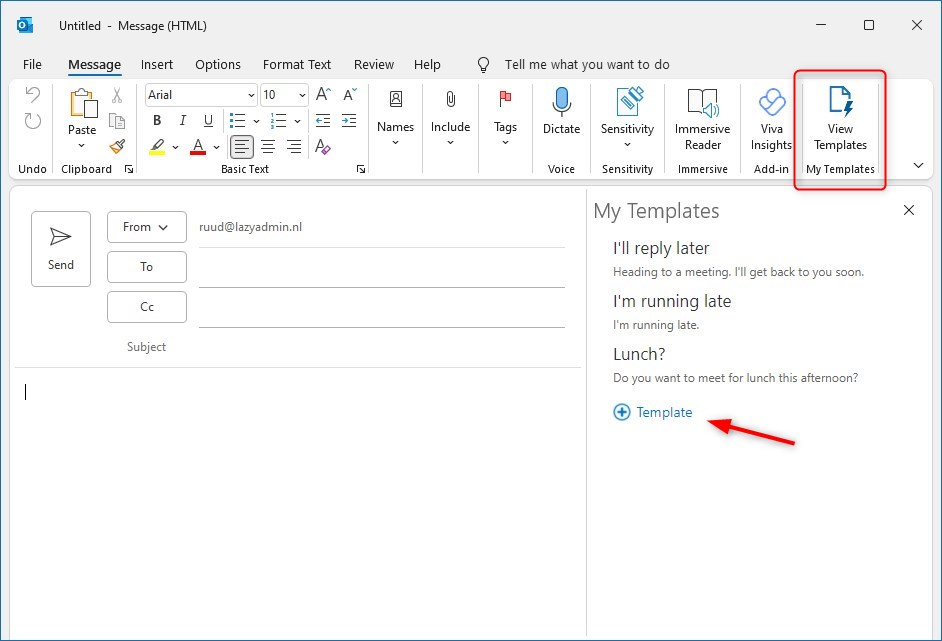
How To Use A Template How To Edit Templates In Word QTZT

How to Create a Custom Template in Microsoft Word Guiding Tech
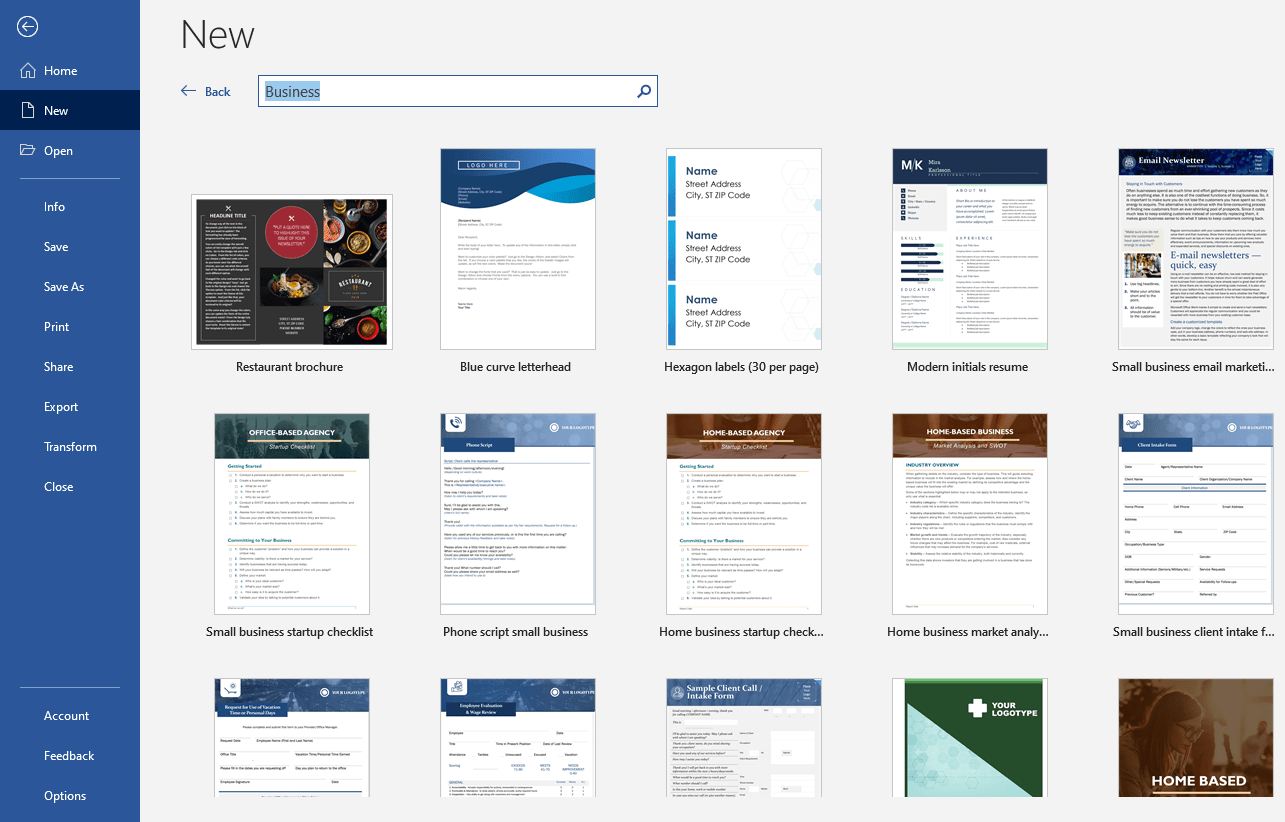
How to Create, Save, Use and Edit Templates in Microsoft Word

How To Use Templates in MS Word Ubergizmo

How To Insert A Template In Word Document at James Ivery blog
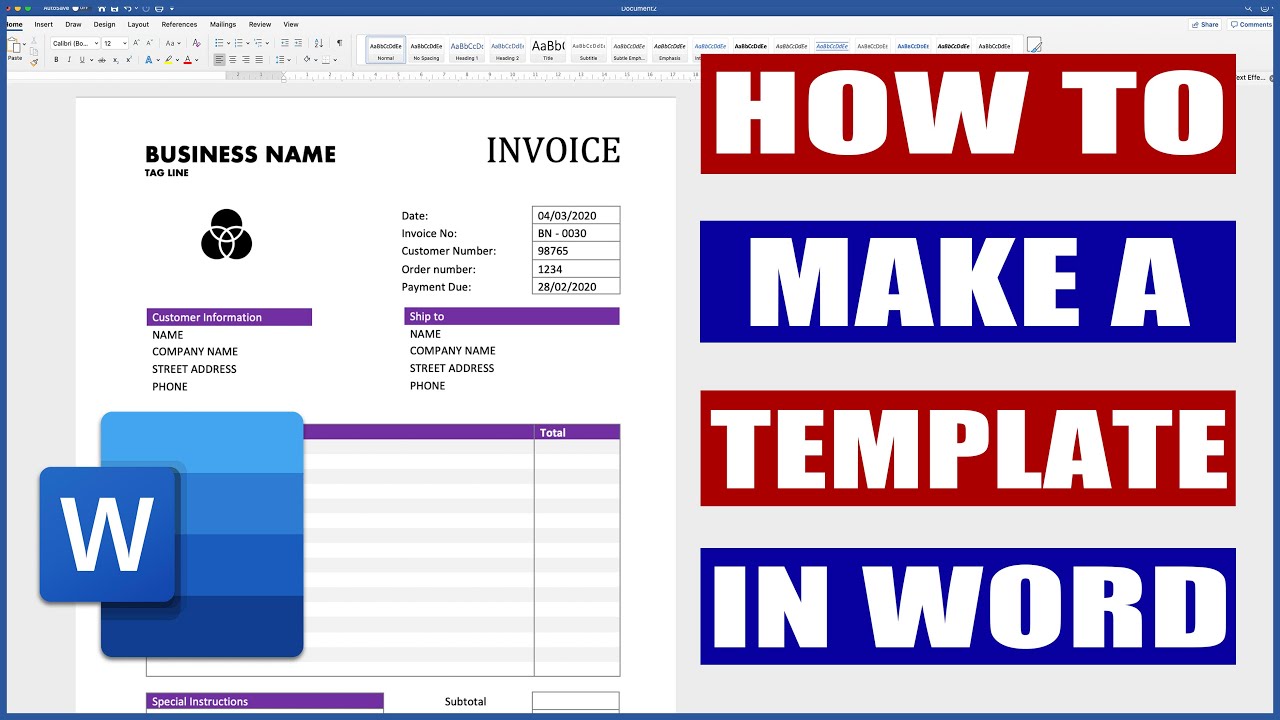
How to create a template in Word Microsoft Word Tutorials YouTube

Add templates to word free microsoft word templates ICDK

4 Ways to Add Templates in Microsoft Word wikiHow
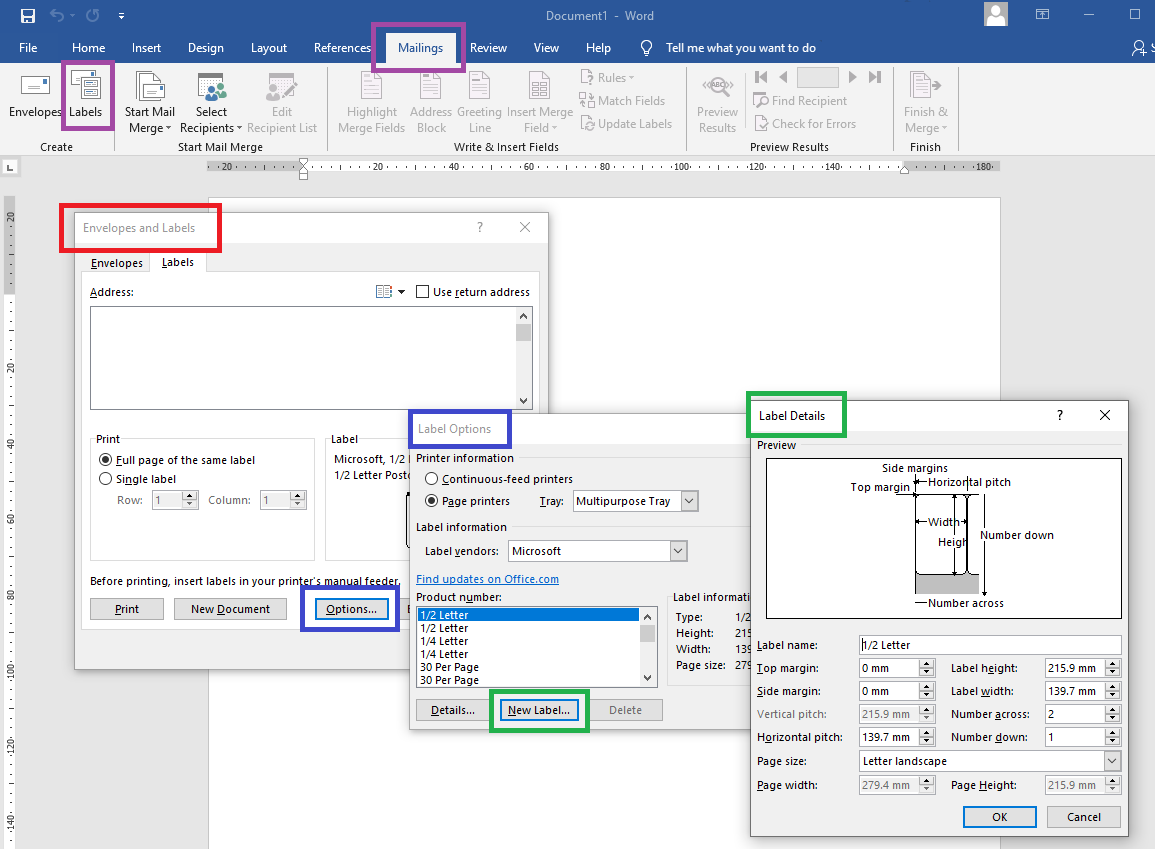
How To Make Label Templates Using Word’s Create Labels Tool

Microsoft Word Templates Quick Guide EUVietnam Business Network (EVBN)
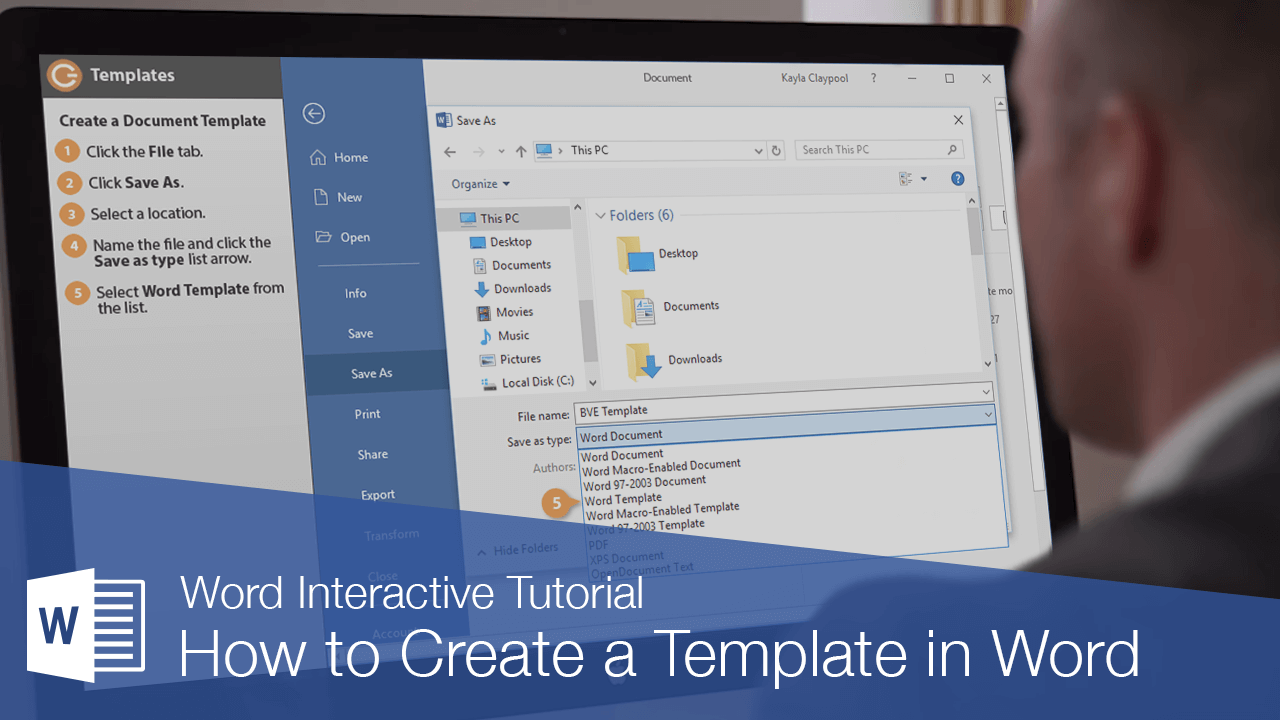
How to Create a Template in Word CustomGuide
:max_bytes(150000):strip_icc()/001-how-to-create-and-use-microsoft-word-templates-7763473face04dbaa26f9427f483dbb4.jpg)
How to Create and Use Microsoft Word Templates
Add (Attention Deficit Disorder) Is The Term Commonly Used To Describe A Neurological Condition With Symptoms Of Inattention, Distractibility, And Poor Working Memory.
Add Is An Outdated Term That Refers Specifically To The Predominantly Inattentive Type Of.
While It Typically Begins In Childhood, Symptoms Can Often Persist Into.
Related Post: