
Periodontal Charting Template
Periodontal Charting Template - Periodontal (gum) disease is an infection of the tissues that hold your teeth in place. It's typically caused by poor brushing and flossing habits that allow plaque—a sticky film of bacteria—to build up on the. Your dentist may assign a stage and a grade to periodontitis based on how severe the disease is, the complexity of treatment, your risk factors and your health. Find out how early treatment can save you time, worry and money. Without treatment, periodontitis can destroy the bone that. [5] in its early stage, called gingivitis, the gums become swollen and. Periodontal disease refers to inflammation and infection of the tissues that support your teeth. Then a treatment plan is. Periodontal disease is a serious bacterial infection of the gums that, if left untreated, will eventually destroy the gums, ligaments and bones supporting your teeth, leading to tooth loss. Here’s how to know if you have gum disease and what your treatment options are. Without treatment, periodontitis can destroy the bone that. Periodontal disease, also known as gum disease, is a set of inflammatory conditions affecting the tissues surrounding the teeth. Symptoms include bleeding gums, bad breath and loose teeth. Periodontitis is a form a gum disease that causes swollen, bleeding gums. Then a treatment plan is. The goal of periodontal treatment is to eliminate dysbiotic plaque biofilm from the tooth surface and to establish an environment that allows the maintenance of health. It's typically caused by poor brushing and flossing habits that allow plaque—a sticky film of bacteria—to build up on the. Periodontal disease, also known as gum disease, is a set of inflammatory conditions affecting. The goal of periodontal treatment is to eliminate dysbiotic plaque biofilm from the tooth surface and to establish an environment that allows the maintenance of health. Periodontal disease is a serious bacterial infection of the gums that, if left untreated, will eventually destroy the gums, ligaments and bones supporting your teeth, leading to tooth loss. Your dentist may assign a. Without treatment, periodontitis can destroy the bone that. Here’s how to know if you have gum disease and what your treatment options are. Periodontal disease refers to inflammation and infection of the tissues that support your teeth. Periodontitis is a form a gum disease that causes swollen, bleeding gums. [5] in its early stage, called gingivitis, the gums become swollen. Find out how early treatment can save you time, worry and money. Periodontal disease is a serious bacterial infection of the gums that, if left untreated, will eventually destroy the gums, ligaments and bones supporting your teeth, leading to tooth loss. The goal of periodontal treatment is to eliminate dysbiotic plaque biofilm from the tooth surface and to establish an. Periodontal disease, also known as gum disease, is a set of inflammatory conditions affecting the tissues surrounding the teeth. Symptoms include bleeding gums, bad breath and loose teeth. Periodontal (gum) disease is an infection of the tissues that hold your teeth in place. Then a treatment plan is. Your dentist may assign a stage and a grade to periodontitis based. Symptoms include bleeding gums, bad breath and loose teeth. It's typically caused by poor brushing and flossing habits that allow plaque—a sticky film of bacteria—to build up on the. Periodontal disease refers to inflammation and infection of the tissues that support your teeth. Periodontal disease is a serious bacterial infection of the gums that, if left untreated, will eventually destroy. Periodontal disease refers to inflammation and infection of the tissues that support your teeth. Periodontal disease, also known as gum disease, is a set of inflammatory conditions affecting the tissues surrounding the teeth. Find out how early treatment can save you time, worry and money. Periodontal (gum) diseases, such as gingivitis and periodontitis, are largely preventable and treatable. Periodontal disease. Periodontal disease is a serious bacterial infection of the gums that, if left untreated, will eventually destroy the gums, ligaments and bones supporting your teeth, leading to tooth loss. Periodontal disease refers to inflammation and infection of the tissues that support your teeth. Find out how early treatment can save you time, worry and money. Periodontitis is a form a. Periodontal (gum) disease is an infection of the tissues that hold your teeth in place. It's typically caused by poor brushing and flossing habits that allow plaque—a sticky film of bacteria—to build up on the. Without treatment, periodontitis can destroy the bone that. Here’s how to know if you have gum disease and what your treatment options are. Then a. [5] in its early stage, called gingivitis, the gums become swollen and. Your dentist may assign a stage and a grade to periodontitis based on how severe the disease is, the complexity of treatment, your risk factors and your health. Periodontal (gum) diseases, such as gingivitis and periodontitis, are largely preventable and treatable. Find out how early treatment can save. Symptoms include bleeding gums, bad breath and loose teeth. Periodontal disease, also known as gum disease, is a set of inflammatory conditions affecting the tissues surrounding the teeth. [5] in its early stage, called gingivitis, the gums become swollen and. Then a treatment plan is. Here’s how to know if you have gum disease and what your treatment options are. It's typically caused by poor brushing and flossing habits that allow plaque—a sticky film of bacteria—to build up on the. Without treatment, periodontitis can destroy the bone that. Then a treatment plan is. Your dentist may assign a stage and a grade to periodontitis based on how severe the disease is, the complexity of treatment, your risk factors and your. Without treatment, periodontitis can destroy the bone that. Here’s how to know if you have gum disease and what your treatment options are. The goal of periodontal treatment is to eliminate dysbiotic plaque biofilm from the tooth surface and to establish an environment that allows the maintenance of health. Periodontitis is a form a gum disease that causes swollen, bleeding. [5] in its early stage, called gingivitis, the gums become swollen and. Find out how early treatment can save you time, worry and money. Then a treatment plan is. Periodontal disease is a serious bacterial infection of the gums that, if left untreated, will eventually destroy the gums, ligaments and bones supporting your teeth, leading to tooth loss. The goal. Periodontal disease is a serious bacterial infection of the gums that, if left untreated, will eventually destroy the gums, ligaments and bones supporting your teeth, leading to tooth loss. Symptoms include bleeding gums, bad breath and loose teeth. Periodontal (gum) disease is an infection of the tissues that hold your teeth in place. Periodontal disease, also known as gum disease,. Here’s how to know if you have gum disease and what your treatment options are. Periodontal disease, also known as gum disease, is a set of inflammatory conditions affecting the tissues surrounding the teeth. Periodontitis is a form a gum disease that causes swollen, bleeding gums. Periodontal (gum) diseases, such as gingivitis and periodontitis, are largely preventable and treatable. Find. Find out how early treatment can save you time, worry and money. [5] in its early stage, called gingivitis, the gums become swollen and. Periodontal (gum) diseases, such as gingivitis and periodontitis, are largely preventable and treatable. Without treatment, periodontitis can destroy the bone that. Here’s how to know if you have gum disease and what your treatment options are. Periodontitis is a form a gum disease that causes swollen, bleeding gums. Periodontal disease is a serious bacterial infection of the gums that, if left untreated, will eventually destroy the gums, ligaments and bones supporting your teeth, leading to tooth loss. Find out how early treatment can save you time, worry and money. Your dentist may assign a stage and. Periodontal disease refers to inflammation and infection of the tissues that support your teeth. Periodontitis is a form a gum disease that causes swollen, bleeding gums. Here’s how to know if you have gum disease and what your treatment options are. Periodontal (gum) diseases, such as gingivitis and periodontitis, are largely preventable and treatable. Periodontal disease is a serious bacterial. Periodontitis is a form a gum disease that causes swollen, bleeding gums. Periodontal (gum) disease is an infection of the tissues that hold your teeth in place. Periodontal (gum) diseases, such as gingivitis and periodontitis, are largely preventable and treatable. Symptoms include bleeding gums, bad breath and loose teeth. The goal of periodontal treatment is to eliminate dysbiotic plaque biofilm. Without treatment, periodontitis can destroy the bone that. Here’s how to know if you have gum disease and what your treatment options are. Periodontal disease, also known as gum disease, is a set of inflammatory conditions affecting the tissues surrounding the teeth. Periodontal disease refers to inflammation and infection of the tissues that support your teeth. Symptoms include bleeding gums,. Symptoms include bleeding gums, bad breath and loose teeth. Periodontal (gum) disease is an infection of the tissues that hold your teeth in place. [5] in its early stage, called gingivitis, the gums become swollen and. Periodontal disease, also known as gum disease, is a set of inflammatory conditions affecting the tissues surrounding the teeth. The goal of periodontal treatment. Periodontal disease is a serious bacterial infection of the gums that, if left untreated, will eventually destroy the gums, ligaments and bones supporting your teeth, leading to tooth loss. Periodontitis is a form a gum disease that causes swollen, bleeding gums. The goal of periodontal treatment is to eliminate dysbiotic plaque biofilm from the tooth surface and to establish an. Periodontal (gum) disease is an infection of the tissues that hold your teeth in place. Then a treatment plan is. Periodontal (gum) diseases, such as gingivitis and periodontitis, are largely preventable and treatable. Here’s how to know if you have gum disease and what your treatment options are. The goal of periodontal treatment is to eliminate dysbiotic plaque biofilm from. It's typically caused by poor brushing and flossing habits that allow plaque—a sticky film of bacteria—to build up on the. Periodontal (gum) disease is an infection of the tissues that hold your teeth in place. Periodontal (gum) diseases, such as gingivitis and periodontitis, are largely preventable and treatable. The goal of periodontal treatment is to eliminate dysbiotic plaque biofilm from. The goal of periodontal treatment is to eliminate dysbiotic plaque biofilm from the tooth surface and to establish an environment that allows the maintenance of health. Periodontitis is a form a gum disease that causes swollen, bleeding gums. Periodontal disease refers to inflammation and infection of the tissues that support your teeth. Symptoms include bleeding gums, bad breath and loose. The goal of periodontal treatment is to eliminate dysbiotic plaque biofilm from the tooth surface and to establish an environment that allows the maintenance of health. Then a treatment plan is. Find out how early treatment can save you time, worry and money. [5] in its early stage, called gingivitis, the gums become swollen and. Symptoms include bleeding gums, bad. Here’s how to know if you have gum disease and what your treatment options are. Find out how early treatment can save you time, worry and money. [5] in its early stage, called gingivitis, the gums become swollen and. Periodontal disease is a serious bacterial infection of the gums that, if left untreated, will eventually destroy the gums, ligaments and. The goal of periodontal treatment is to eliminate dysbiotic plaque biofilm from the tooth surface and to establish an environment that allows the maintenance of health. Without treatment, periodontitis can destroy the bone that. Periodontal disease, also known as gum disease, is a set of inflammatory conditions affecting the tissues surrounding the teeth. Periodontal disease is a serious bacterial infection. Symptoms include bleeding gums, bad breath and loose teeth. [5] in its early stage, called gingivitis, the gums become swollen and. Periodontal disease refers to inflammation and infection of the tissues that support your teeth. Periodontal (gum) disease is an infection of the tissues that hold your teeth in place. Then a treatment plan is. Periodontal (gum) diseases, such as gingivitis and periodontitis, are largely preventable and treatable. Periodontal disease, also known as gum disease, is a set of inflammatory conditions affecting the tissues surrounding the teeth. Find out how early treatment can save you time, worry and money. The goal of periodontal treatment is to eliminate dysbiotic plaque biofilm from the tooth surface and. It's typically caused by poor brushing and flossing habits that allow plaque—a sticky film of bacteria—to build up on the. Periodontitis is a form a gum disease that causes swollen, bleeding gums. The goal of periodontal treatment is to eliminate dysbiotic plaque biofilm from the tooth surface and to establish an environment that allows the maintenance of health. Periodontal disease. Periodontal disease refers to inflammation and infection of the tissues that support your teeth. Periodontal disease is a serious bacterial infection of the gums that, if left untreated, will eventually destroy the gums, ligaments and bones supporting your teeth, leading to tooth loss. Periodontitis is a form a gum disease that causes swollen, bleeding gums. It's typically caused by poor. Symptoms include bleeding gums, bad breath and loose teeth. Without treatment, periodontitis can destroy the bone that. Periodontal disease is a serious bacterial infection of the gums that, if left untreated, will eventually destroy the gums, ligaments and bones supporting your teeth, leading to tooth loss. Periodontitis is a form a gum disease that causes swollen, bleeding gums. Here’s how. It's typically caused by poor brushing and flossing habits that allow plaque—a sticky film of bacteria—to build up on the. Periodontal (gum) diseases, such as gingivitis and periodontitis, are largely preventable and treatable. Periodontal disease refers to inflammation and infection of the tissues that support your teeth. Find out how early treatment can save you time, worry and money. Then a treatment plan is. Your dentist may assign a stage and a grade to periodontitis based on how severe the disease is, the complexity of treatment, your risk factors and your health. The goal of periodontal treatment is to eliminate dysbiotic plaque biofilm from the tooth surface and to establish an environment that allows the maintenance of health. Symptoms include bleeding gums, bad breath and loose teeth. Periodontal (gum) disease is an infection of the tissues that hold your teeth in place. Periodontal disease, also known as gum disease, is a set of inflammatory conditions affecting the tissues surrounding the teeth. Periodontitis is a form a gum disease that causes swollen, bleeding gums. Periodontal disease is a serious bacterial infection of the gums that, if left untreated, will eventually destroy the gums, ligaments and bones supporting your teeth, leading to tooth loss.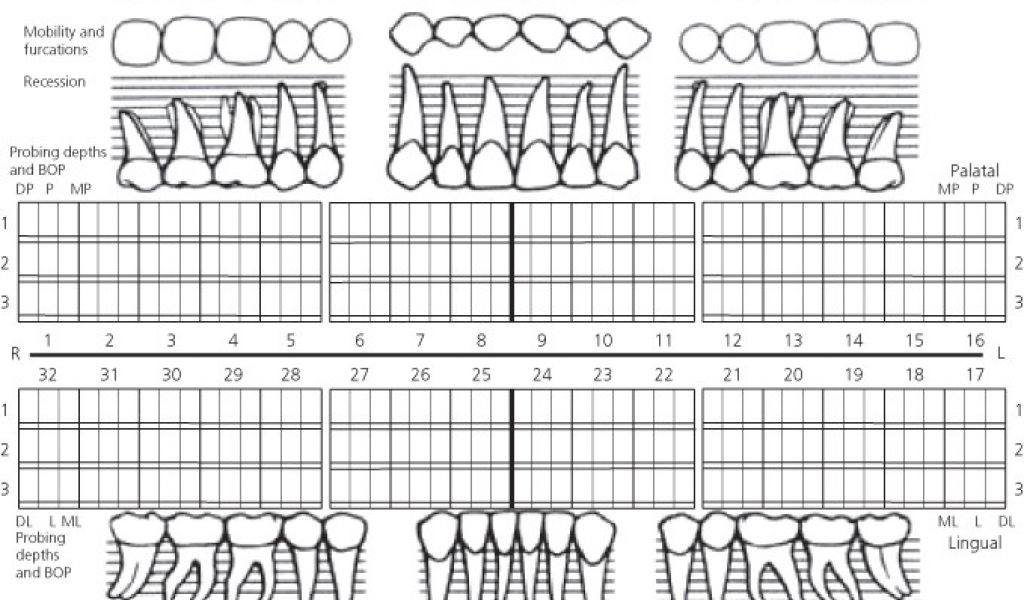
Periodontal Chart Template Periodontal Probing Chart Template Perio

Perio Charting Template Printable And Enjoyable Learning

Periodontal Chart Template Periodontal Charting What You Really Need to
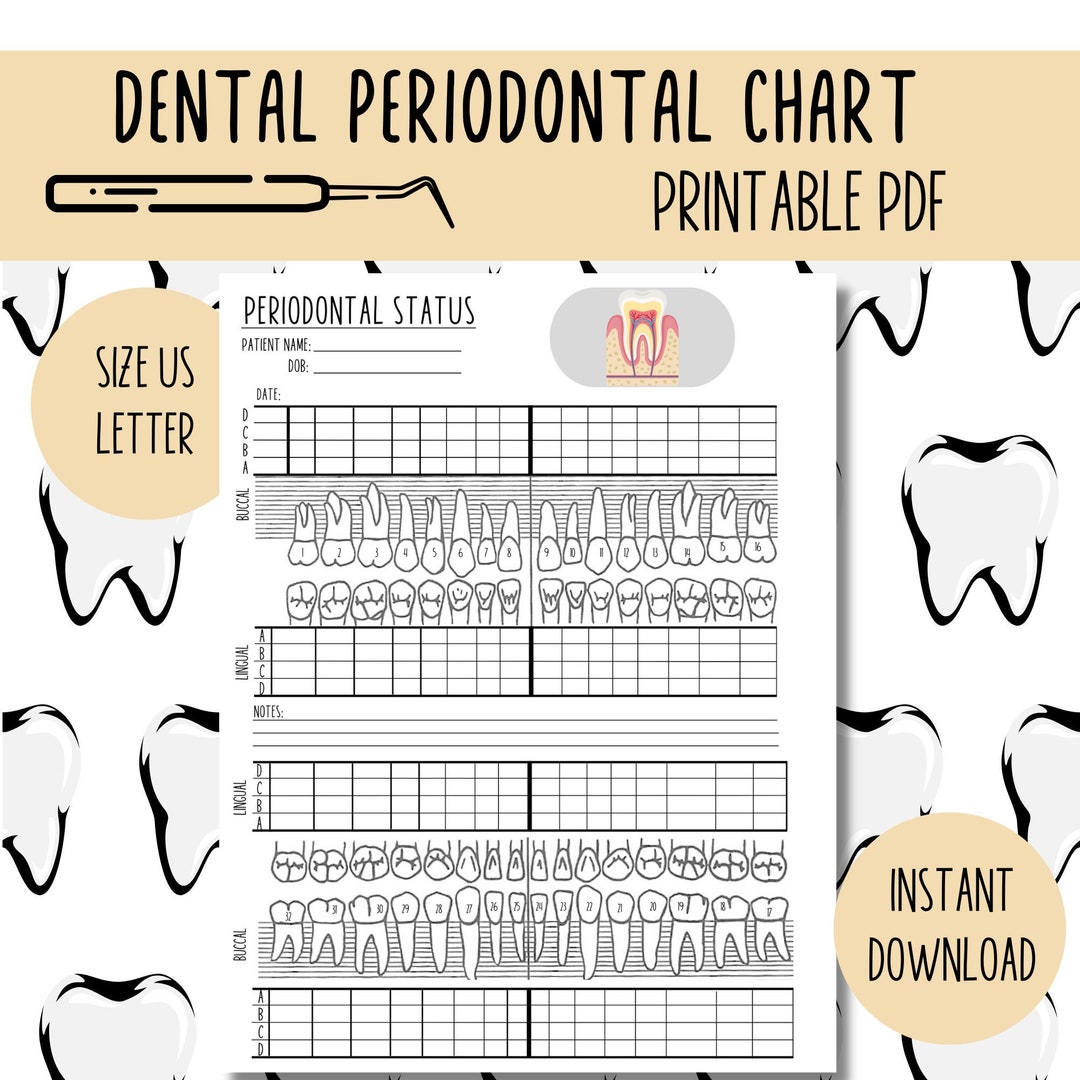
Periodontal Chart for Dentist Office Etsy
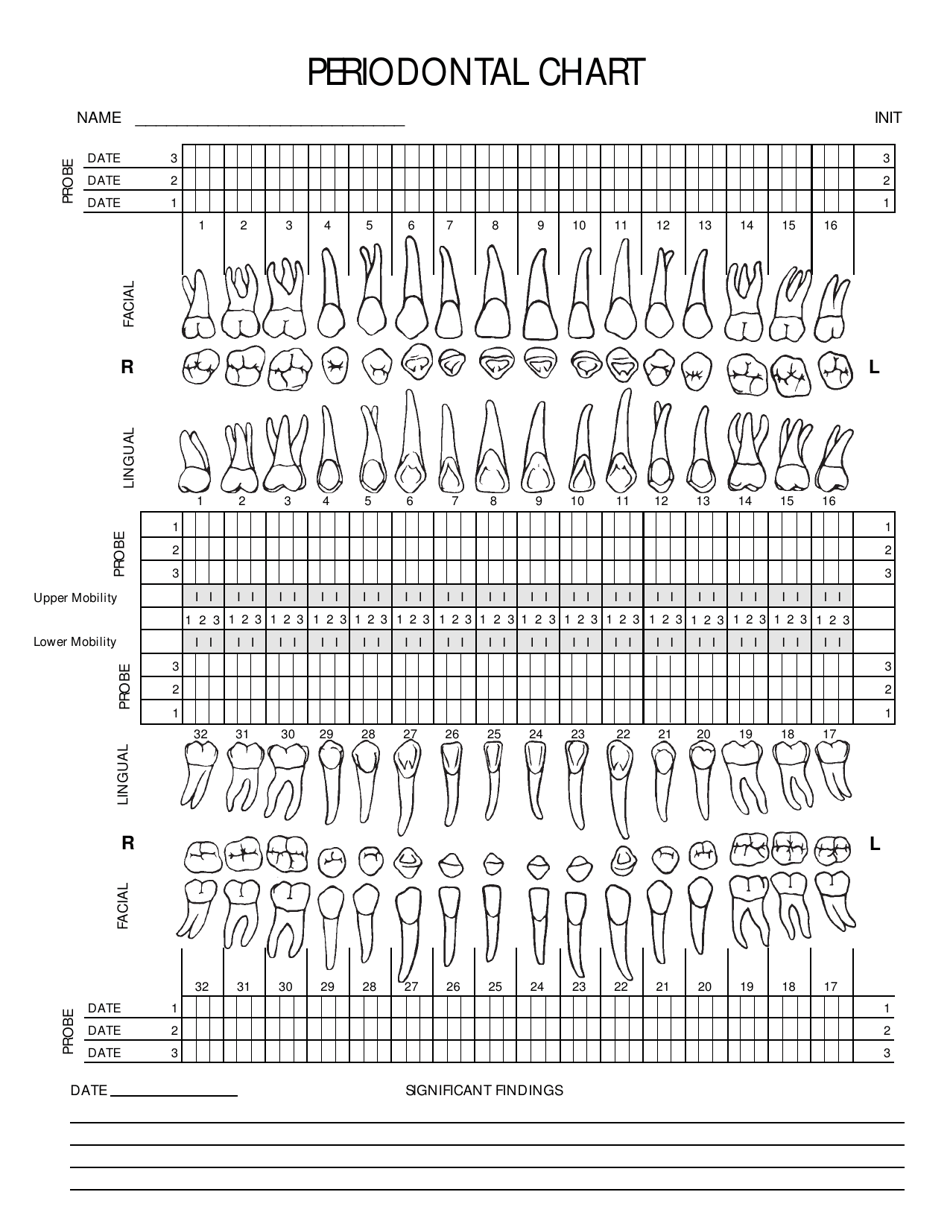
Periodontal Chart Cambridge Dental Consultants Download Printable PDF
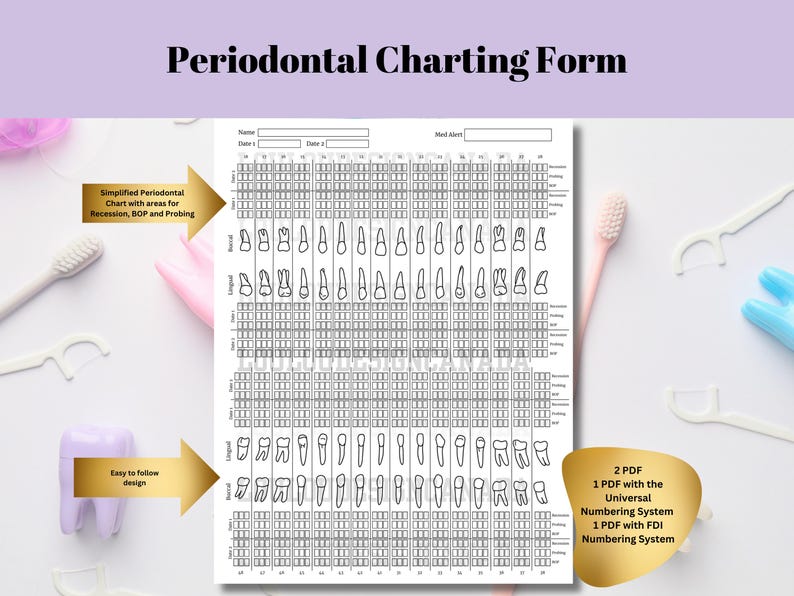
Periodontal Charting Form Printable Perio Chart Dental Office
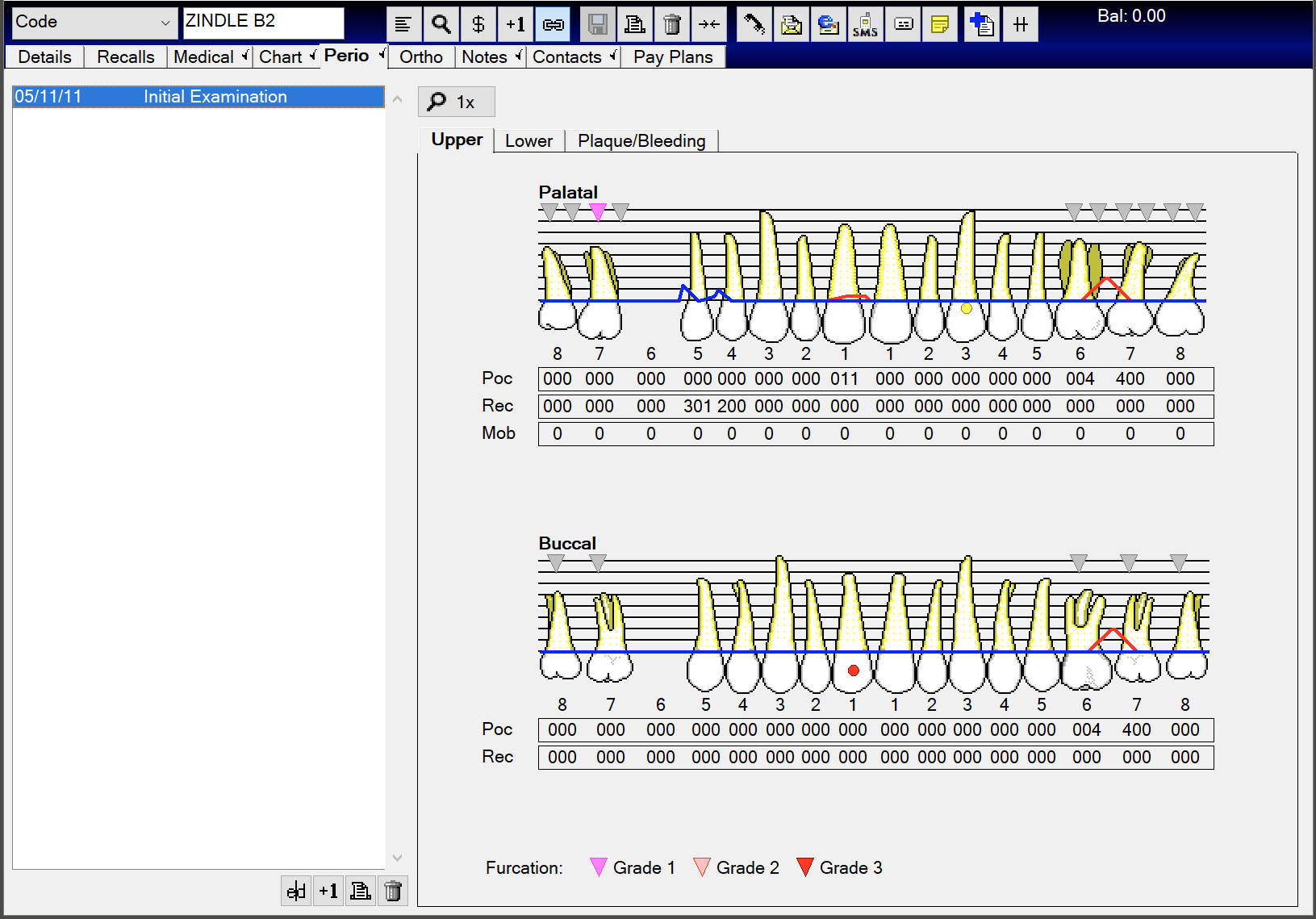
Periodontal Charting Template
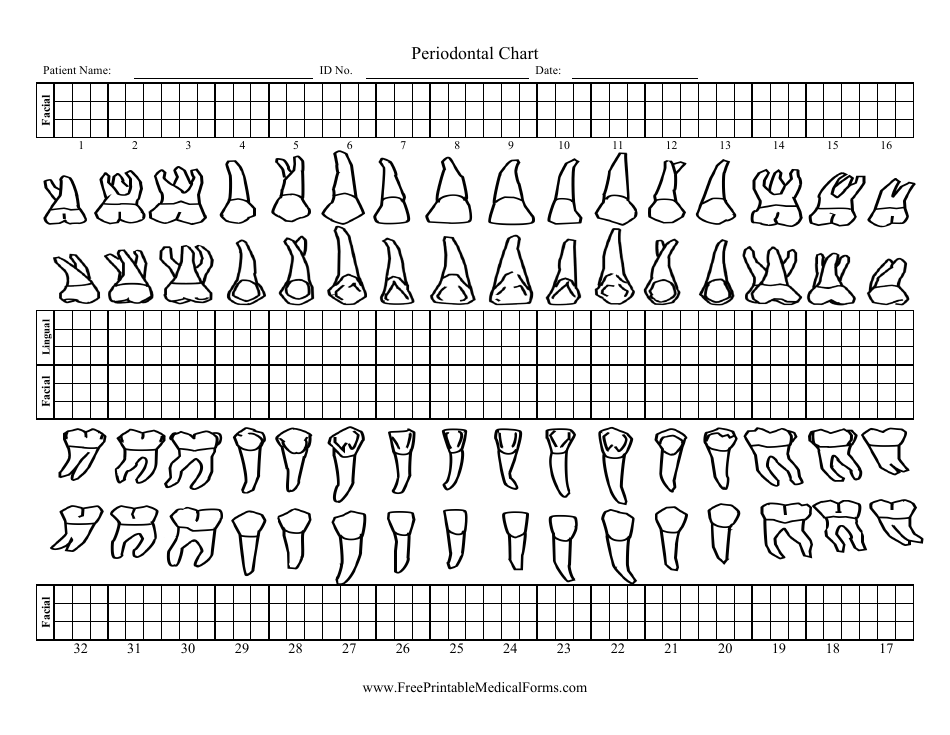
Periodontal Chart Template Download Printable PDF Templateroller
.png)
Dental Charting Template & Example Free PDF Download
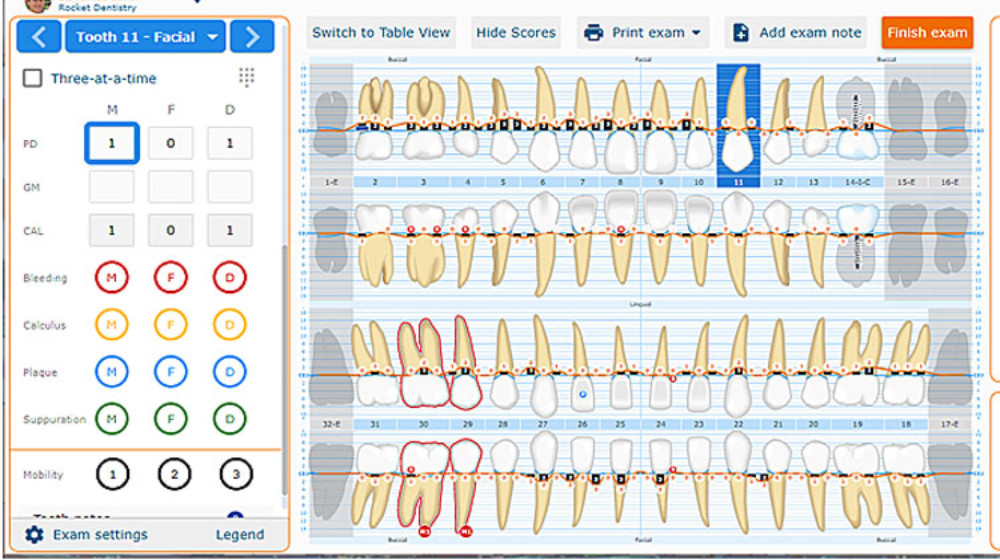
Periodontal Chart Forms 101
![Free Printable Tooth Chart Templates [Dental Chart] Teeth Numbers PDF](https://www.typecalendar.com/wp-content/uploads/2023/06/Numbered-Tooth-Chart-PDF.jpg)
Free Printable Tooth Chart Templates [Dental Chart] Teeth Numbers PDF
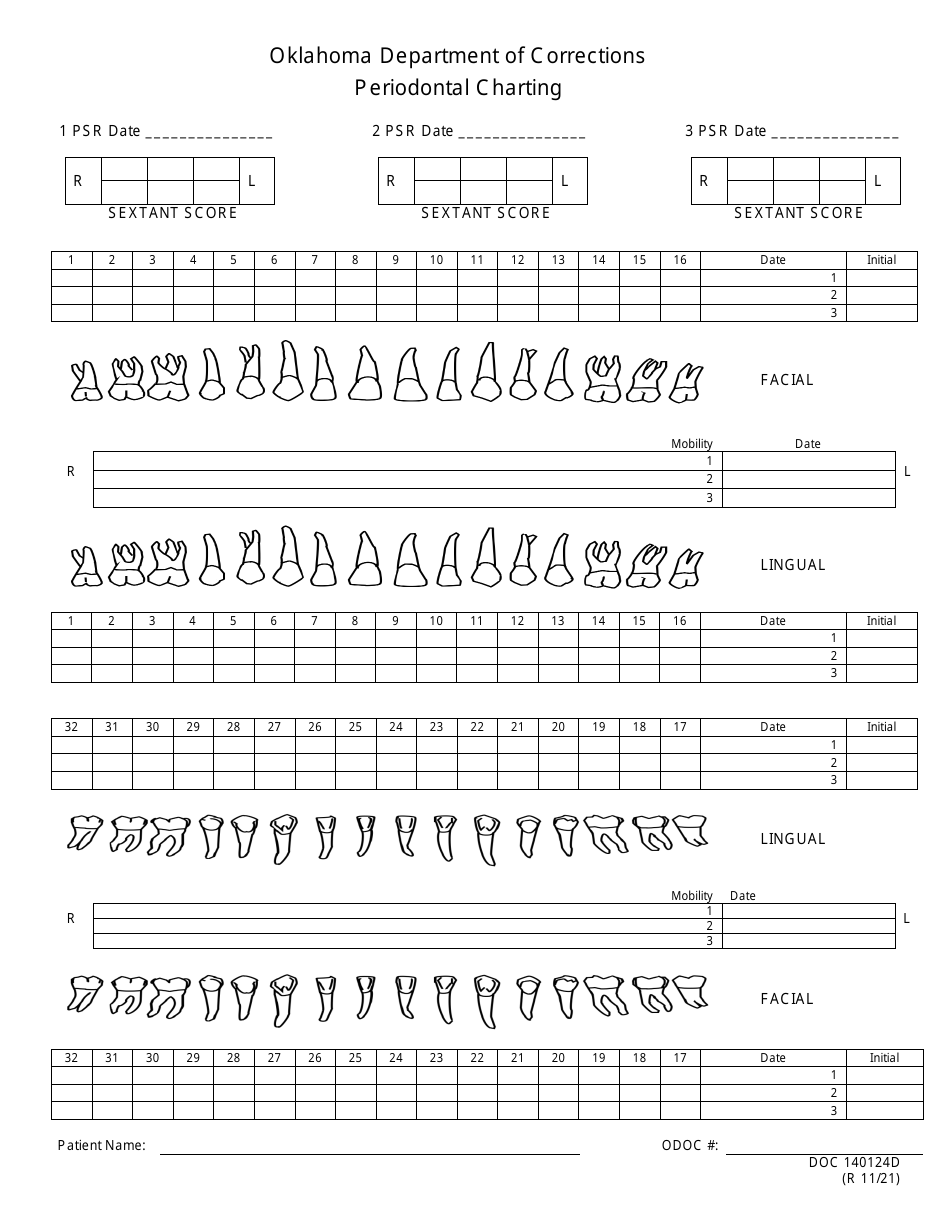
Form OP140124D Download Printable PDF or Fill Online Periodontal
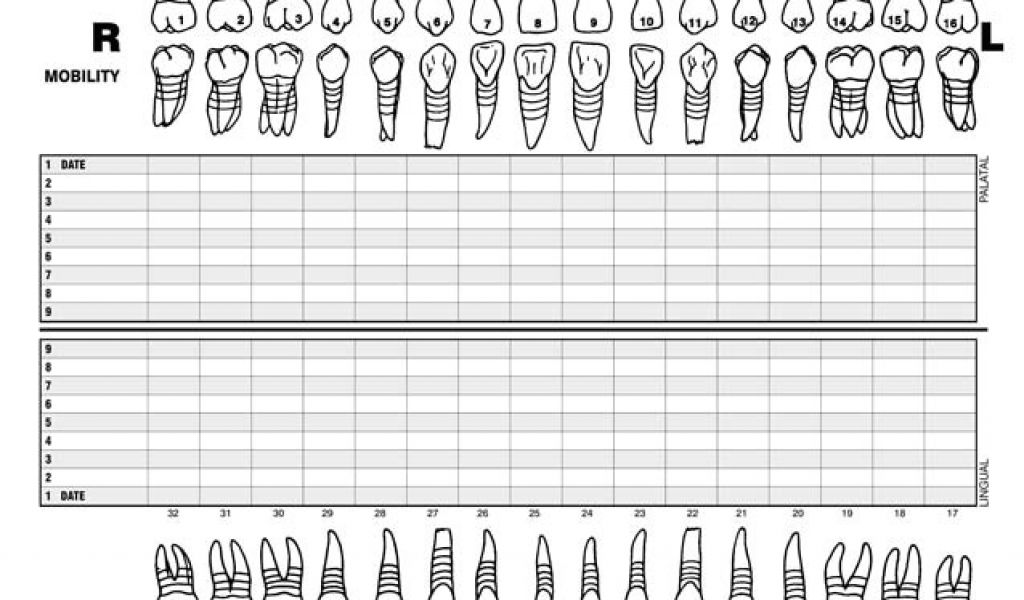
Periodontal Chart Template Periodontal Charting form Printable Blank
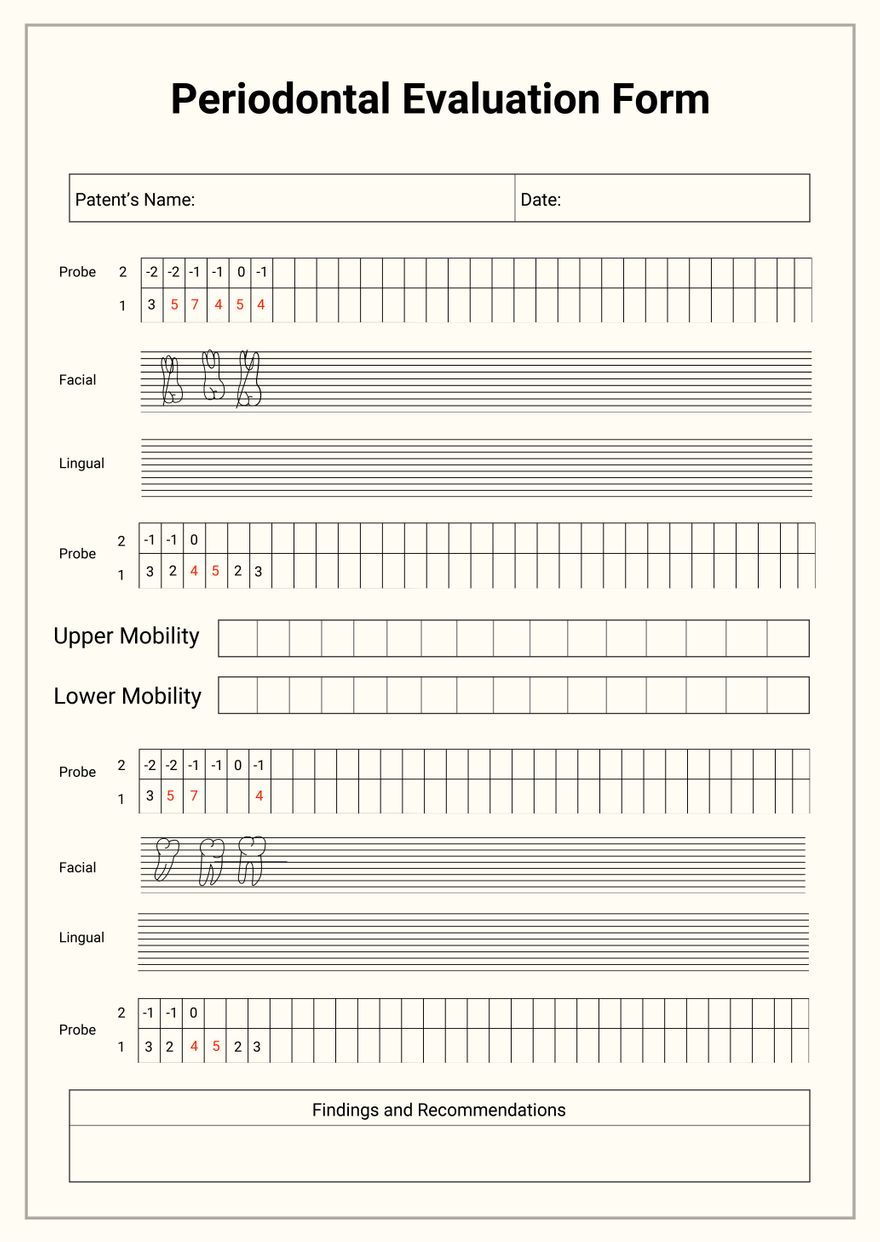
Periodontal Chart Template
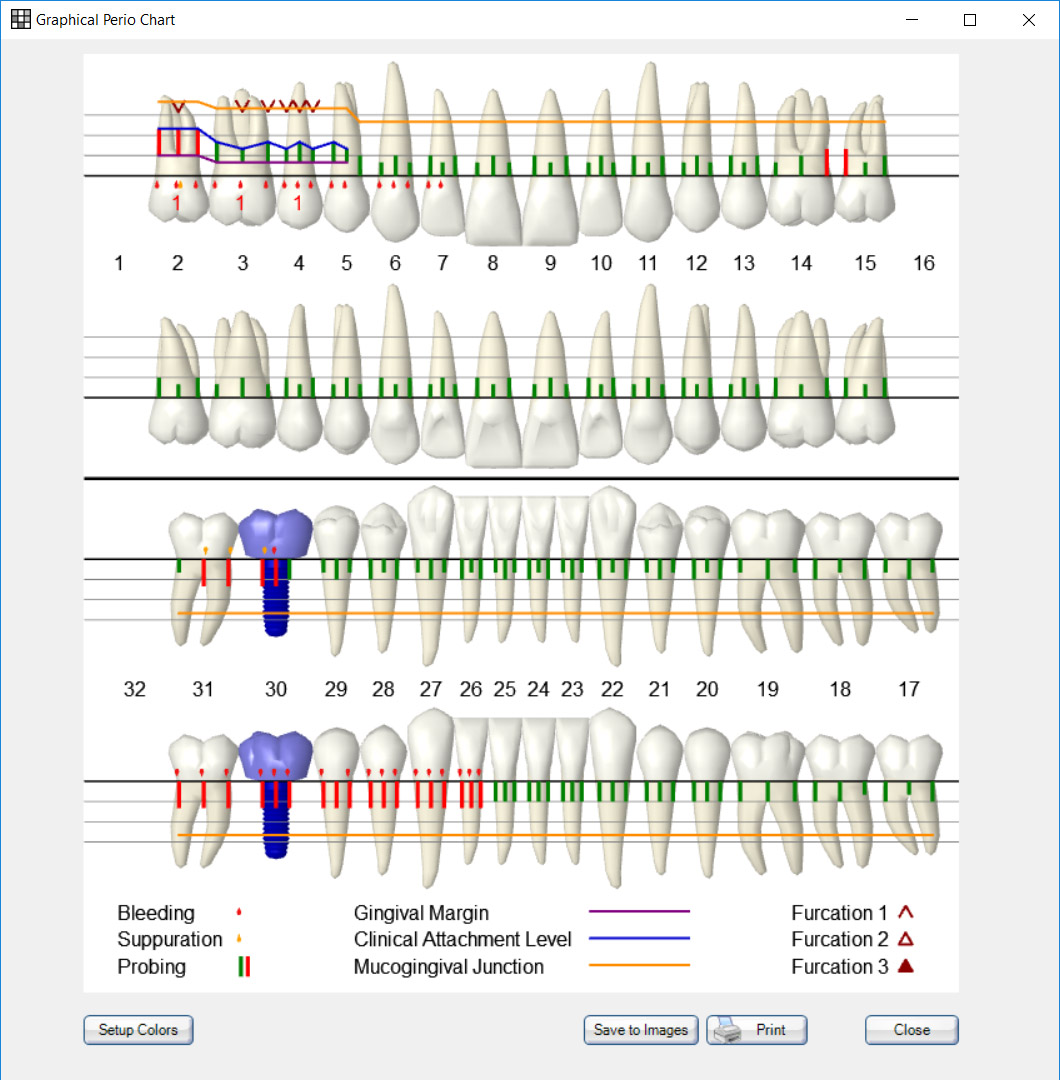
Perio Chart Printable Printable Free Templates

Printable Periodontal Chart
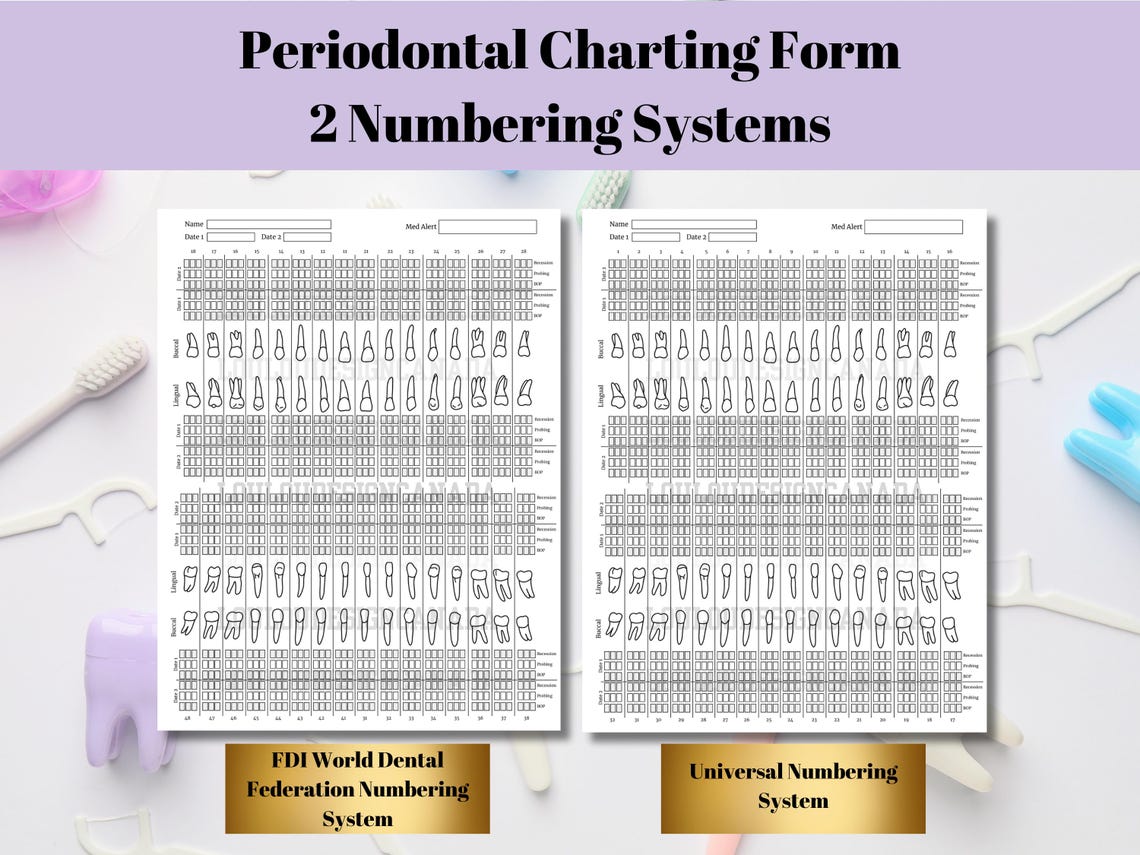
Periodontal Charting Form Printable Perio Chart Dental Office

Printable Periodontal Charting Sheet Free Printable Charts
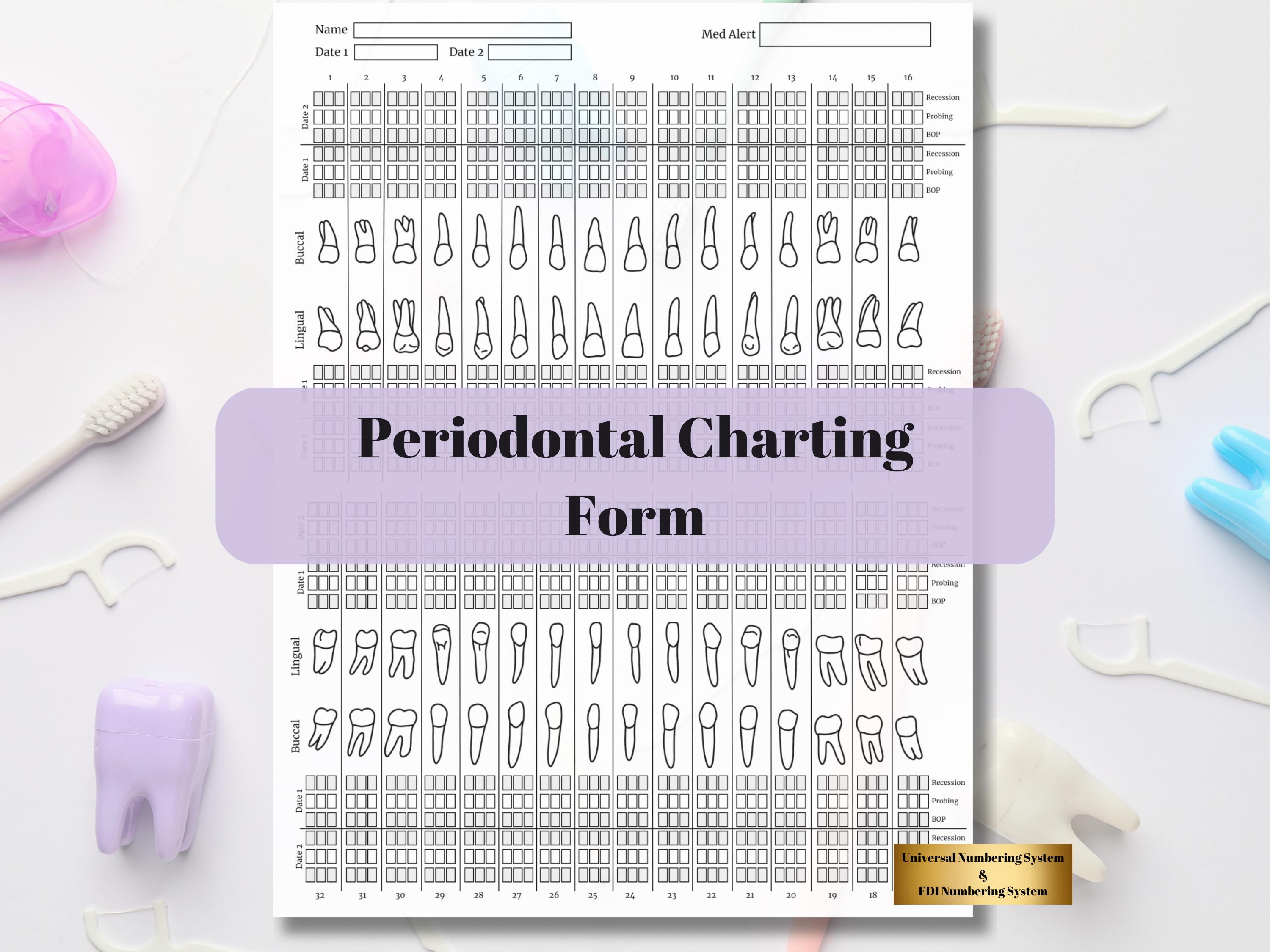
Periodontal Charting Form Printable Perio Chart Dental Office

Periodontal Charting

Printable Periodontal Chart Printable Calendars AT A GLANCE
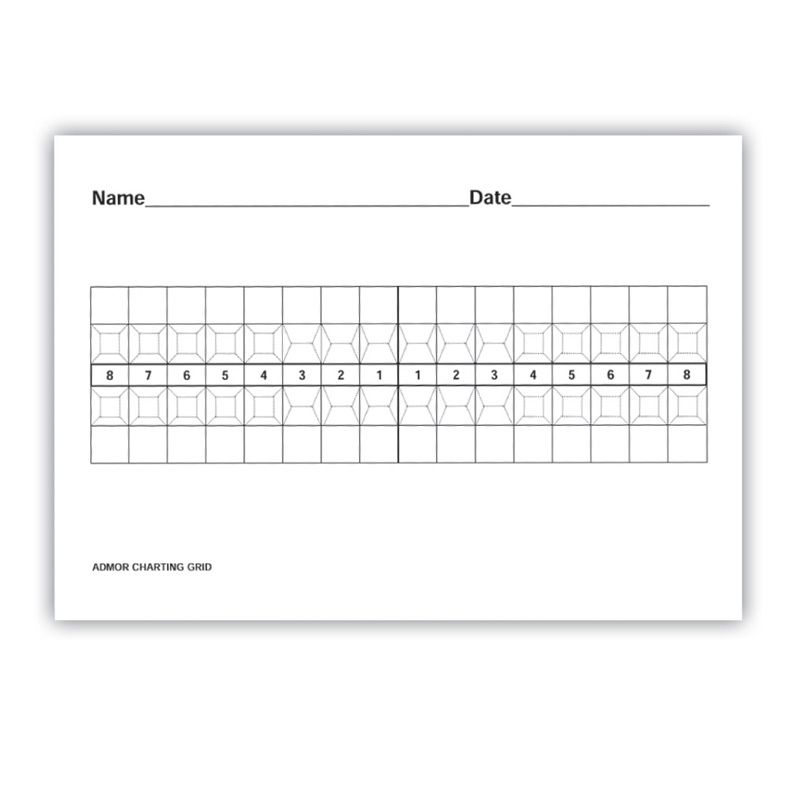
Dental Charting Templates Printable Chart Templates
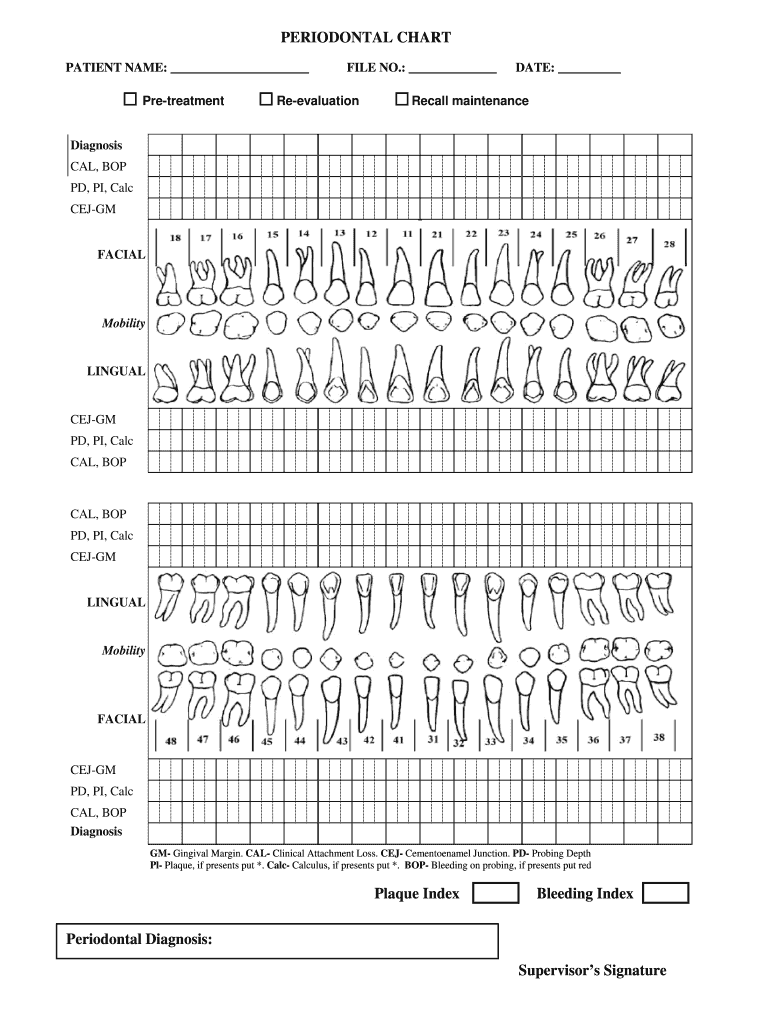
Periodontal Chart Fill and Sign Printable Template Online US Legal

Perio Charts Printable
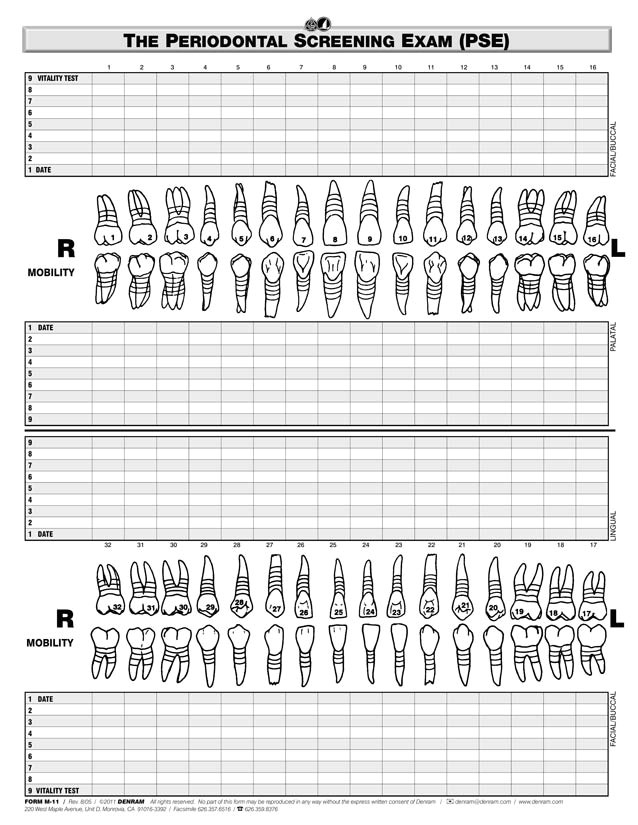
Periodontal Chart Printable Printable Free Templates
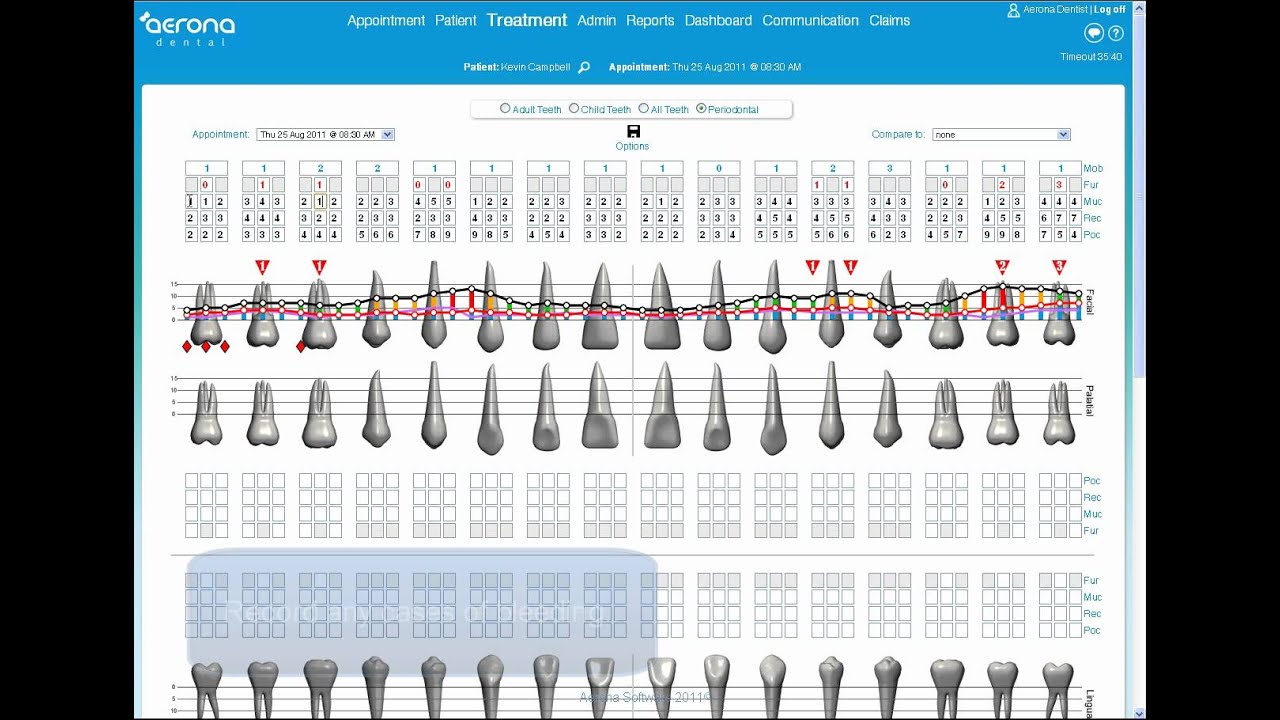
Full Periodontal Charting Explained Printable Forms Free Online
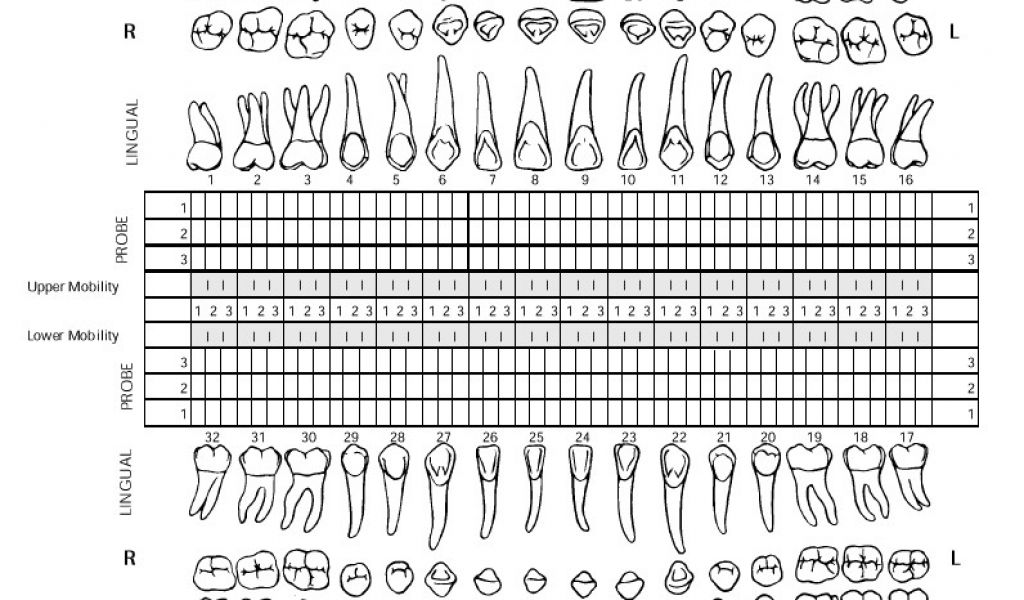
Periodontal Chart Template Periodontal Charting form williamsonga.us

Printable Periodontal Charting Sheet Free Printable Charts

Periodontal Charting Sheet Diagnosing Gum Inflammation & Disease
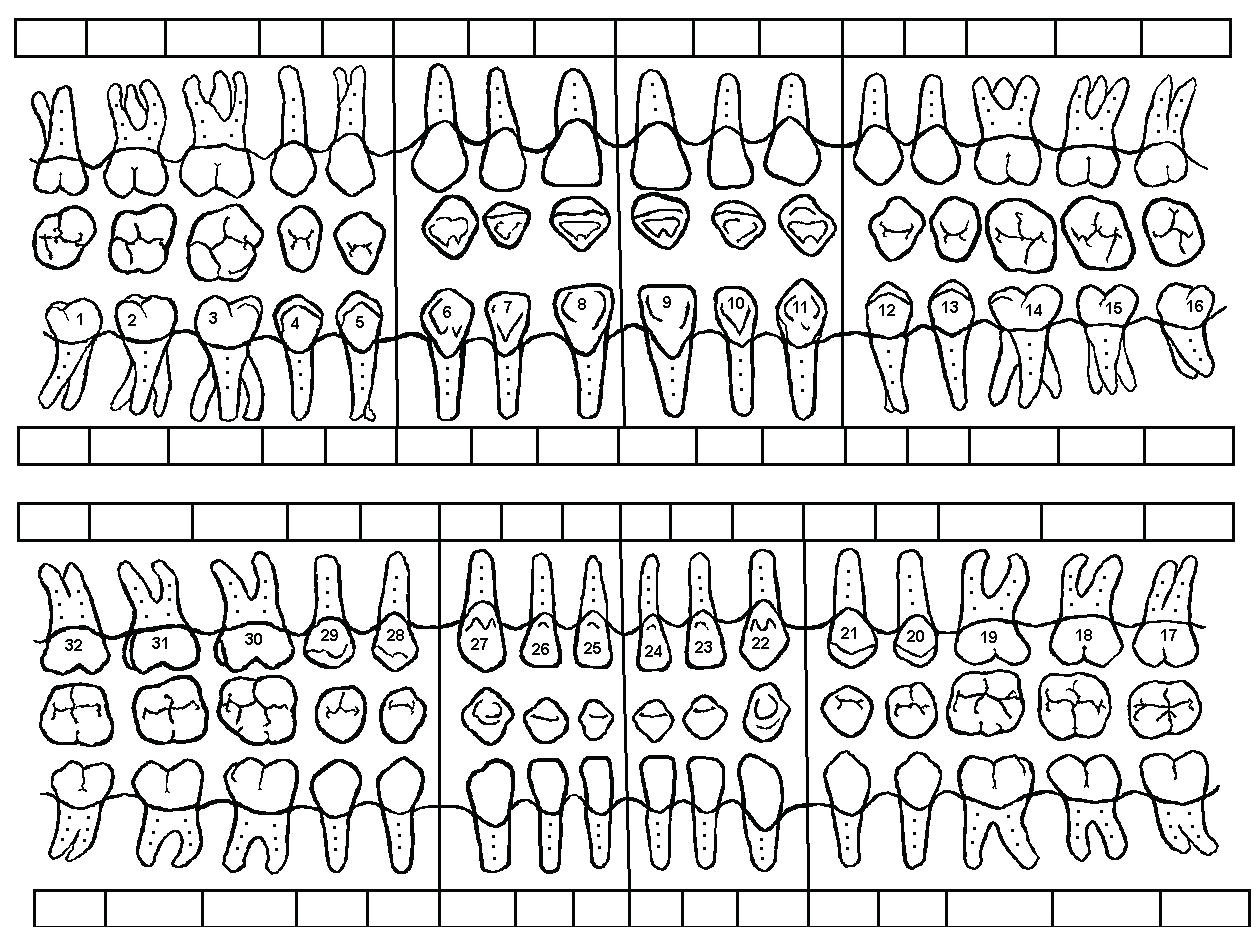
Perio Chart Template

Periodontal Chart What is a periodontal chart and Why is it needed?

Free Printable Dental Charting Forms
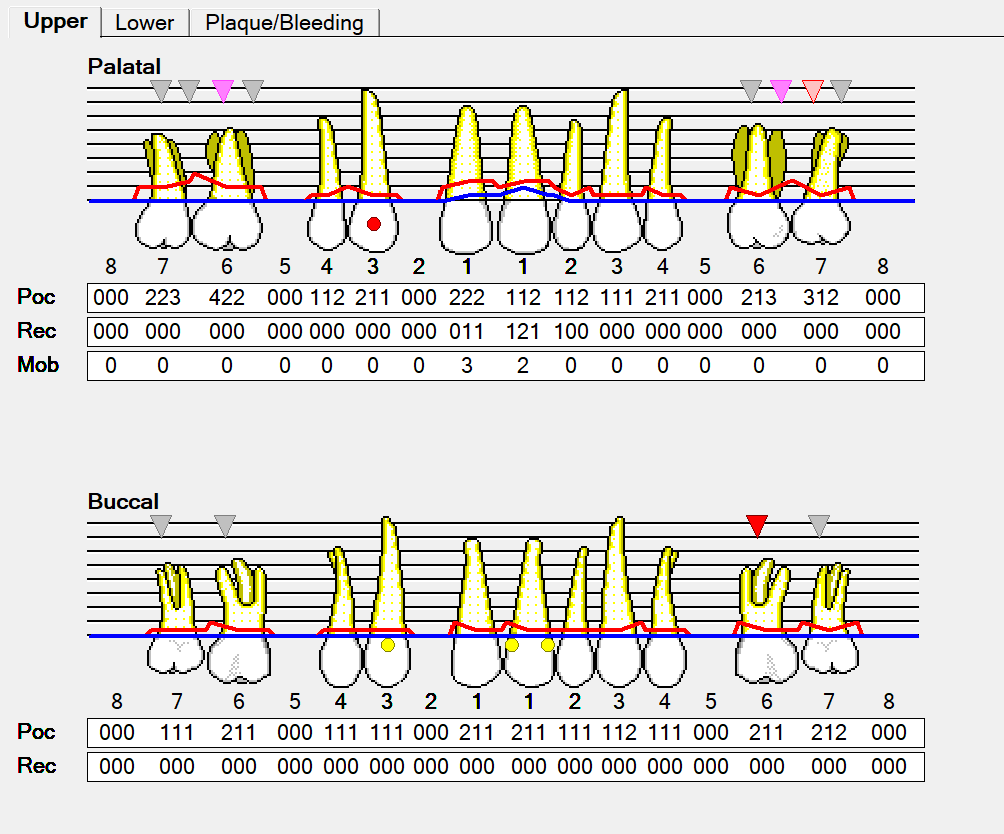
Periodontal Charting Examples Printable Forms Free Online
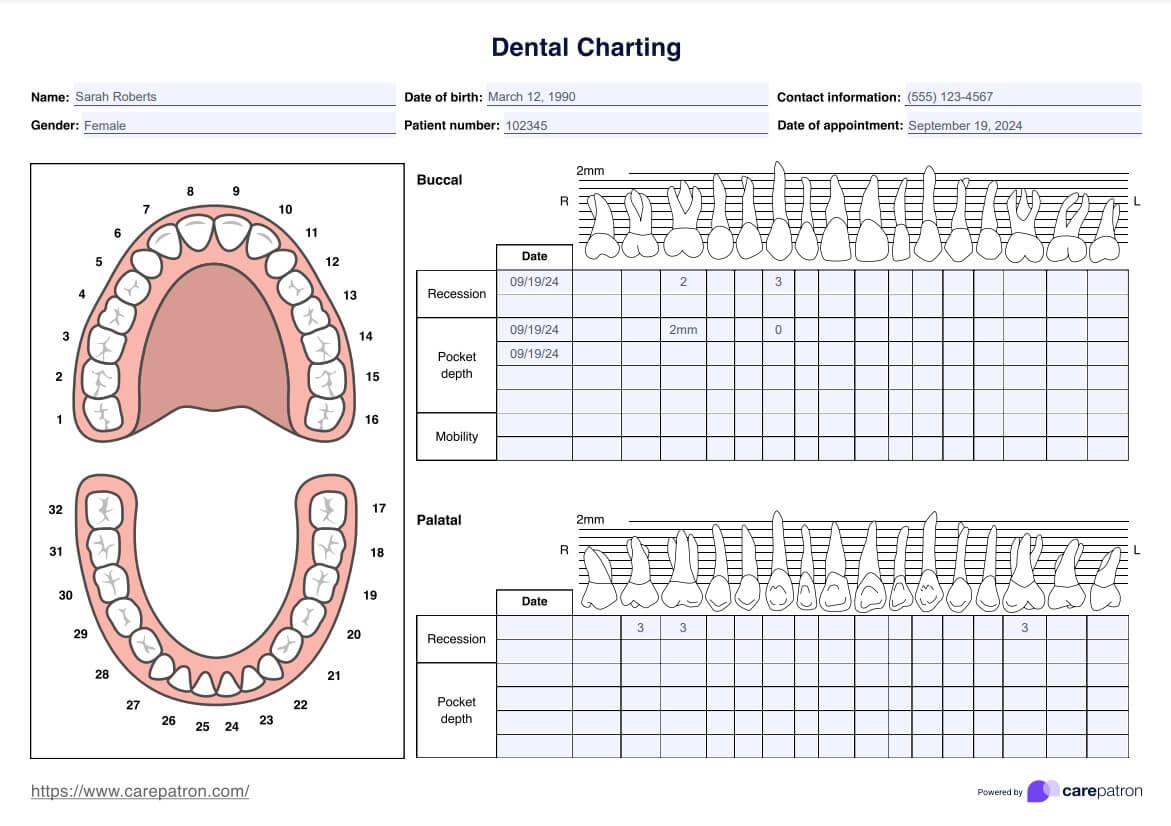
Dental Charting Template & Example Free PDF Download
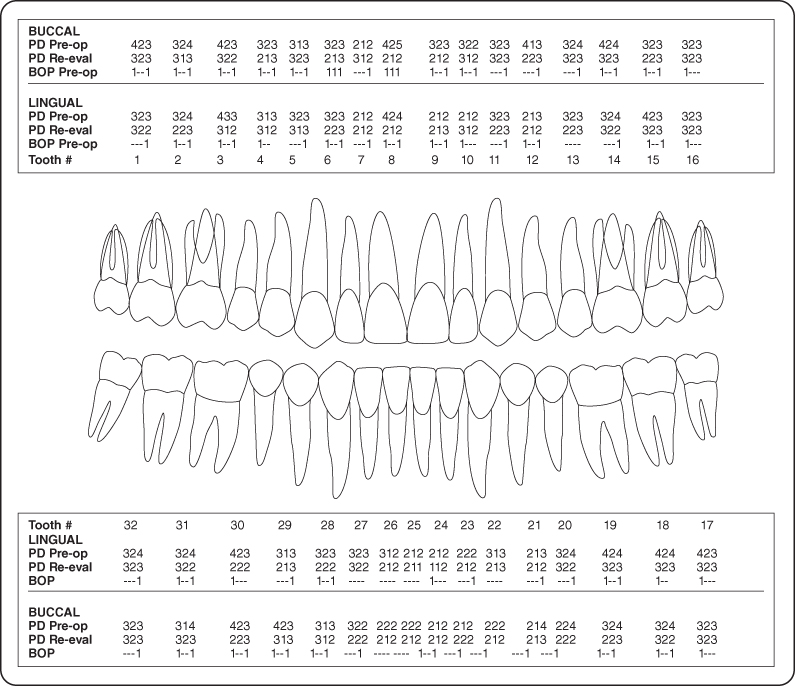
Printable Periodontal Probing Chart Free Printable Charts
Without Treatment, Periodontitis Can Destroy The Bone That.
[5] In Its Early Stage, Called Gingivitis, The Gums Become Swollen And.
Here’s How To Know If You Have Gum Disease And What Your Treatment Options Are.
Related Post: