
Phylogenetic Tree Template
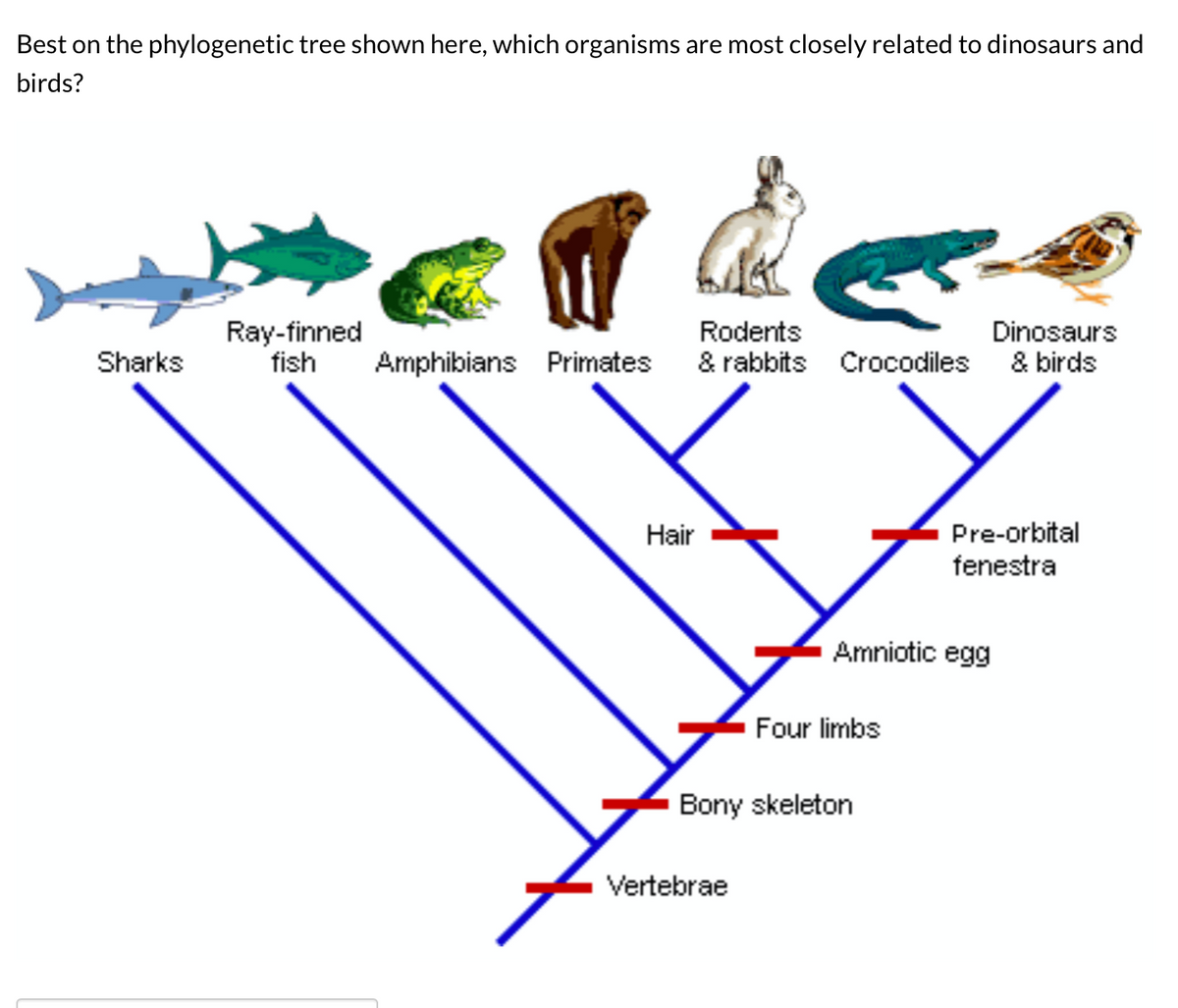
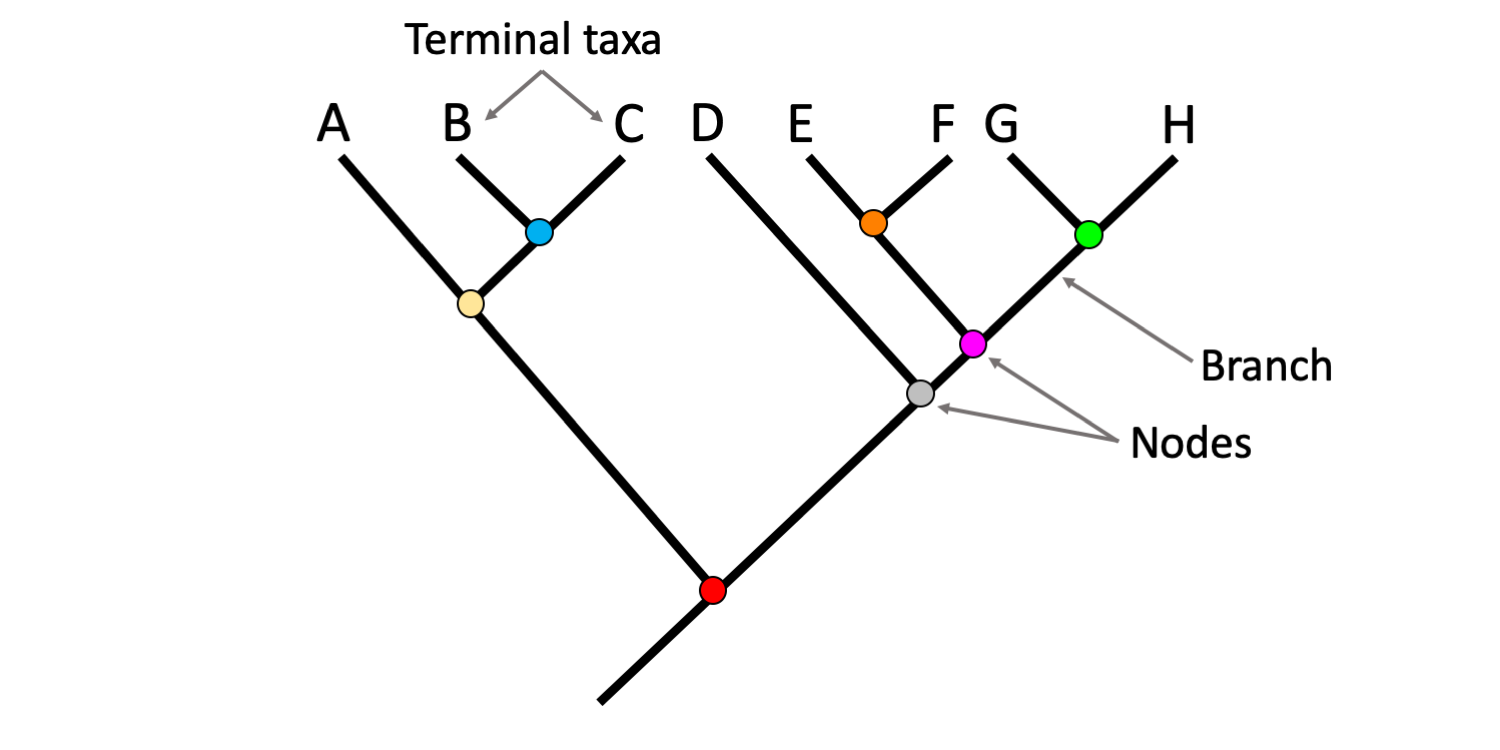
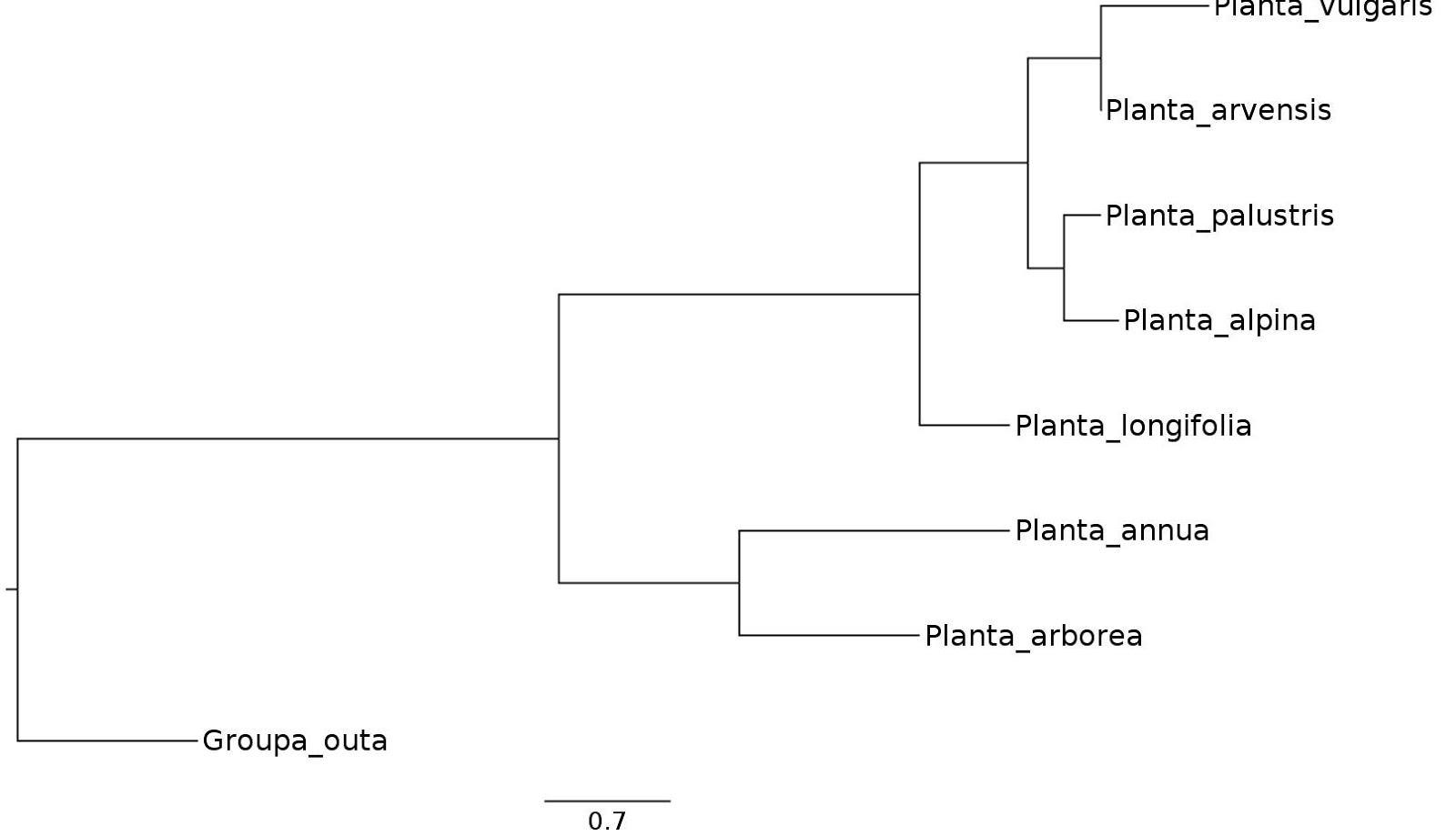
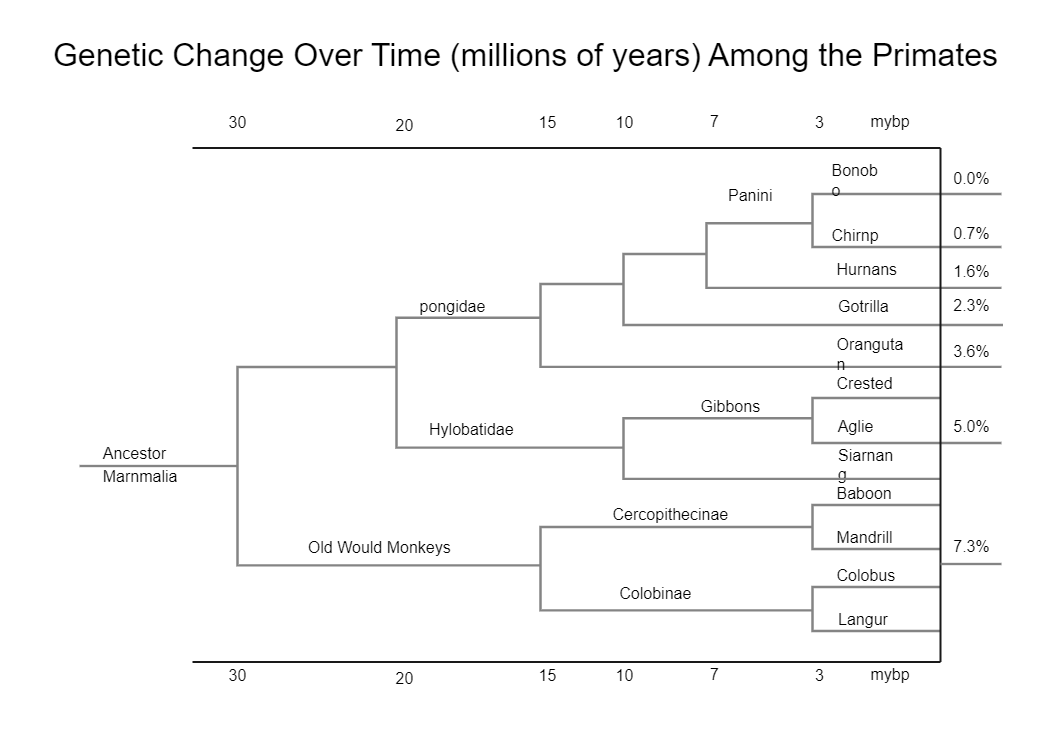
Phylogenetic Tree Template - Based on dna or protein sequences, the evolutionary relationship can be described through. The meaning of phylogenetic is of or relating to phylogeny. Phylogenetic systematics is the formal name for the field within biology that reconstructs evolutionary history and studies the patterns of relationships among organisms. To do this, phylogeneticists use the statistical. Phylogenetics is the study of evolutionary relationships by inferring or estimating the evolutionary past. Phylogenetic relationships are discovered through phylogenetic inference methods that evaluate observed heritable traits, such as. A phylogenetic tree, also called an evolutionary tree or phylogeny, represents the evolutionary descent of organisms or genes from their common ancestors. Classification of the natural world into meaningful and useful categories has long been a. We can reconstruct a phylogenetic tree by looking at the nucleotide or protein sequences and combining this with our understanding of sequence evolution, which is described using an evolutionary model. Phylogenetic analysis helps understand the evolutionary history of various groups of organisms, identify relationships between different species, and predict future evolutionary changes. To do this, phylogeneticists use the statistical. Phylogenetic relationships are discovered through phylogenetic inference methods that evaluate observed heritable traits, such as. The meaning of phylogenetic is of or relating to phylogeny. Once you’ve built the phylogenetic tree, you next need to determine if the tree is reliable and whether it is significantly better than other possible trees. Phylogenetics is. Phylogenetic systematics is the formal name for the field within biology that reconstructs evolutionary history and studies the patterns of relationships among organisms. Phylogenetic analysis helps understand the evolutionary history of various groups of organisms, identify relationships between different species, and predict future evolutionary changes. Once you’ve built the phylogenetic tree, you next need to determine if the tree is. A phylogenetic tree, also called an evolutionary tree or phylogeny, represents the evolutionary descent of organisms or genes from their common ancestors. Phylogenetic relationships are discovered through phylogenetic inference methods that evaluate observed heritable traits, such as. Classification of the natural world into meaningful and useful categories has long been a. Evolutionary history of given species is described in phylogenetic. Phylogenetics, in biology, the study of the ancestral relatedness of groups of organisms, whether alive or extinct. Phylogenetic relationships are discovered through phylogenetic inference methods that evaluate observed heritable traits, such as. Phylogenetic systematics is the formal name for the field within biology that reconstructs evolutionary history and studies the patterns of relationships among organisms. The meaning of phylogenetic is. Once you’ve built the phylogenetic tree, you next need to determine if the tree is reliable and whether it is significantly better than other possible trees. To do this, phylogeneticists use the statistical. A phylogenetic tree, also called an evolutionary tree or phylogeny, represents the evolutionary descent of organisms or genes from their common ancestors. The meaning of phylogenetic is. Phylogenetics, in biology, the study of the ancestral relatedness of groups of organisms, whether alive or extinct. A phylogenetic tree, also called an evolutionary tree or phylogeny, represents the evolutionary descent of organisms or genes from their common ancestors. Phylogenetic relationships are discovered through phylogenetic inference methods that evaluate observed heritable traits, such as. Phylogenetic systematics is the formal name. Phylogenetic relationships are discovered through phylogenetic inference methods that evaluate observed heritable traits, such as. Evolutionary history of given species is described in phylogenetic tree. Phylogenetic systematics is the formal name for the field within biology that reconstructs evolutionary history and studies the patterns of relationships among organisms. A phylogenetic tree, also called an evolutionary tree or phylogeny, represents the. The meaning of phylogenetic is of or relating to phylogeny. Phylogenetic analysis helps understand the evolutionary history of various groups of organisms, identify relationships between different species, and predict future evolutionary changes. Phylogenetic systematics is the formal name for the field within biology that reconstructs evolutionary history and studies the patterns of relationships among organisms. Evolutionary history of given species. Phylogenetic relationships are discovered through phylogenetic inference methods that evaluate observed heritable traits, such as. Based on dna or protein sequences, the evolutionary relationship can be described through. We can reconstruct a phylogenetic tree by looking at the nucleotide or protein sequences and combining this with our understanding of sequence evolution, which is described using an evolutionary model. Phylogenetic analysis. The meaning of phylogenetic is of or relating to phylogeny. Phylogenetic analysis helps understand the evolutionary history of various groups of organisms, identify relationships between different species, and predict future evolutionary changes. Phylogenetics is the study of the evolutionary history and relationships among individuals, groups of organisms (e.g., populations, species, or higher taxa), or other biological entities with. Once you’ve. Phylogenetic relationships are discovered through phylogenetic inference methods that evaluate observed heritable traits, such as. Phylogenetic analysis helps understand the evolutionary history of various groups of organisms, identify relationships between different species, and predict future evolutionary changes. Based on dna or protein sequences, the evolutionary relationship can be described through. Evolutionary history of given species is described in phylogenetic tree.. We can reconstruct a phylogenetic tree by looking at the nucleotide or protein sequences and combining this with our understanding of sequence evolution, which is described using an evolutionary model. Phylogenetic systematics is the formal name for the field within biology that reconstructs evolutionary history and studies the patterns of relationships among organisms. Based on dna or protein sequences, the. Phylogenetic systematics is the formal name for the field within biology that reconstructs evolutionary history and studies the patterns of relationships among organisms. Phylogenetics is the study of evolutionary relationships by inferring or estimating the evolutionary past. To do this, phylogeneticists use the statistical. A phylogenetic tree, also called an evolutionary tree or phylogeny, represents the evolutionary descent of organisms. We can reconstruct a phylogenetic tree by looking at the nucleotide or protein sequences and combining this with our understanding of sequence evolution, which is described using an evolutionary model. Once you’ve built the phylogenetic tree, you next need to determine if the tree is reliable and whether it is significantly better than other possible trees. Phylogenetics is the study. Classification of the natural world into meaningful and useful categories has long been a. Phylogenetics, in biology, the study of the ancestral relatedness of groups of organisms, whether alive or extinct. Phylogenetics is the study of evolutionary relationships by inferring or estimating the evolutionary past. Phylogenetic relationships are discovered through phylogenetic inference methods that evaluate observed heritable traits, such as.. A phylogenetic tree, also called an evolutionary tree or phylogeny, represents the evolutionary descent of organisms or genes from their common ancestors. Based on dna or protein sequences, the evolutionary relationship can be described through. Evolutionary history of given species is described in phylogenetic tree. Phylogenetics, in biology, the study of the ancestral relatedness of groups of organisms, whether alive. Phylogenetic analysis helps understand the evolutionary history of various groups of organisms, identify relationships between different species, and predict future evolutionary changes. A phylogenetic tree, also called an evolutionary tree or phylogeny, represents the evolutionary descent of organisms or genes from their common ancestors. Phylogenetics is the study of the evolutionary history and relationships among individuals, groups of organisms (e.g.,. Phylogenetics, in biology, the study of the ancestral relatedness of groups of organisms, whether alive or extinct. To do this, phylogeneticists use the statistical. We can reconstruct a phylogenetic tree by looking at the nucleotide or protein sequences and combining this with our understanding of sequence evolution, which is described using an evolutionary model. Phylogenetics is the study of the. Once you’ve built the phylogenetic tree, you next need to determine if the tree is reliable and whether it is significantly better than other possible trees. Phylogenetics is the study of the evolutionary history and relationships among individuals, groups of organisms (e.g., populations, species, or higher taxa), or other biological entities with. We can reconstruct a phylogenetic tree by looking. Phylogenetic systematics is the formal name for the field within biology that reconstructs evolutionary history and studies the patterns of relationships among organisms. Classification of the natural world into meaningful and useful categories has long been a. To do this, phylogeneticists use the statistical. Evolutionary history of given species is described in phylogenetic tree. Phylogenetics, in biology, the study of. A phylogenetic tree, also called an evolutionary tree or phylogeny, represents the evolutionary descent of organisms or genes from their common ancestors. Phylogenetics is the study of the evolutionary history and relationships among individuals, groups of organisms (e.g., populations, species, or higher taxa), or other biological entities with. The meaning of phylogenetic is of or relating to phylogeny. Phylogenetic analysis. Phylogenetic analysis helps understand the evolutionary history of various groups of organisms, identify relationships between different species, and predict future evolutionary changes. We can reconstruct a phylogenetic tree by looking at the nucleotide or protein sequences and combining this with our understanding of sequence evolution, which is described using an evolutionary model. Classification of the natural world into meaningful and. Classification of the natural world into meaningful and useful categories has long been a. Evolutionary history of given species is described in phylogenetic tree. A phylogenetic tree, also called an evolutionary tree or phylogeny, represents the evolutionary descent of organisms or genes from their common ancestors. Phylogenetics, in biology, the study of the ancestral relatedness of groups of organisms, whether. Once you’ve built the phylogenetic tree, you next need to determine if the tree is reliable and whether it is significantly better than other possible trees. Phylogenetic relationships are discovered through phylogenetic inference methods that evaluate observed heritable traits, such as. Phylogenetic systematics is the formal name for the field within biology that reconstructs evolutionary history and studies the patterns. Evolutionary history of given species is described in phylogenetic tree. Based on dna or protein sequences, the evolutionary relationship can be described through. Once you’ve built the phylogenetic tree, you next need to determine if the tree is reliable and whether it is significantly better than other possible trees. Phylogenetics is the study of the evolutionary history and relationships among. To do this, phylogeneticists use the statistical. Phylogenetics, in biology, the study of the ancestral relatedness of groups of organisms, whether alive or extinct. The meaning of phylogenetic is of or relating to phylogeny. Phylogenetic systematics is the formal name for the field within biology that reconstructs evolutionary history and studies the patterns of relationships among organisms. Classification of the. We can reconstruct a phylogenetic tree by looking at the nucleotide or protein sequences and combining this with our understanding of sequence evolution, which is described using an evolutionary model. A phylogenetic tree, also called an evolutionary tree or phylogeny, represents the evolutionary descent of organisms or genes from their common ancestors. Phylogenetic relationships are discovered through phylogenetic inference methods. We can reconstruct a phylogenetic tree by looking at the nucleotide or protein sequences and combining this with our understanding of sequence evolution, which is described using an evolutionary model. Phylogenetics is the study of the evolutionary history and relationships among individuals, groups of organisms (e.g., populations, species, or higher taxa), or other biological entities with. Based on dna or. Phylogenetics is the study of evolutionary relationships by inferring or estimating the evolutionary past. To do this, phylogeneticists use the statistical. Classification of the natural world into meaningful and useful categories has long been a. Phylogenetics is the study of the evolutionary history and relationships among individuals, groups of organisms (e.g., populations, species, or higher taxa), or other biological entities. Once you’ve built the phylogenetic tree, you next need to determine if the tree is reliable and whether it is significantly better than other possible trees. Phylogenetics is the study of evolutionary relationships by inferring or estimating the evolutionary past. Evolutionary history of given species is described in phylogenetic tree. Phylogenetic systematics is the formal name for the field within. Phylogenetic analysis helps understand the evolutionary history of various groups of organisms, identify relationships between different species, and predict future evolutionary changes. The meaning of phylogenetic is of or relating to phylogeny. To do this, phylogeneticists use the statistical. A phylogenetic tree, also called an evolutionary tree or phylogeny, represents the evolutionary descent of organisms or genes from their common. Phylogenetic systematics is the formal name for the field within biology that reconstructs evolutionary history and studies the patterns of relationships among organisms. Once you’ve built the phylogenetic tree, you next need to determine if the tree is reliable and whether it is significantly better than other possible trees. Evolutionary history of given species is described in phylogenetic tree. A. Based on dna or protein sequences, the evolutionary relationship can be described through. We can reconstruct a phylogenetic tree by looking at the nucleotide or protein sequences and combining this with our understanding of sequence evolution, which is described using an evolutionary model. A phylogenetic tree, also called an evolutionary tree or phylogeny, represents the evolutionary descent of organisms or. To do this, phylogeneticists use the statistical. Phylogenetics, in biology, the study of the ancestral relatedness of groups of organisms, whether alive or extinct. Once you’ve built the phylogenetic tree, you next need to determine if the tree is reliable and whether it is significantly better than other possible trees. Classification of the natural world into meaningful and useful categories. To do this, phylogeneticists use the statistical. Phylogenetics is the study of evolutionary relationships by inferring or estimating the evolutionary past. The meaning of phylogenetic is of or relating to phylogeny. Phylogenetic analysis helps understand the evolutionary history of various groups of organisms, identify relationships between different species, and predict future evolutionary changes. Once you’ve built the phylogenetic tree, you. Once you’ve built the phylogenetic tree, you next need to determine if the tree is reliable and whether it is significantly better than other possible trees. Phylogenetic systematics is the formal name for the field within biology that reconstructs evolutionary history and studies the patterns of relationships among organisms. Phylogenetics is the study of the evolutionary history and relationships among individuals, groups of organisms (e.g., populations, species, or higher taxa), or other biological entities with. To do this, phylogeneticists use the statistical. The meaning of phylogenetic is of or relating to phylogeny. Phylogenetic analysis helps understand the evolutionary history of various groups of organisms, identify relationships between different species, and predict future evolutionary changes. A phylogenetic tree, also called an evolutionary tree or phylogeny, represents the evolutionary descent of organisms or genes from their common ancestors. Evolutionary history of given species is described in phylogenetic tree. Classification of the natural world into meaningful and useful categories has long been a. Phylogenetic relationships are discovered through phylogenetic inference methods that evaluate observed heritable traits, such as. Based on dna or protein sequences, the evolutionary relationship can be described through.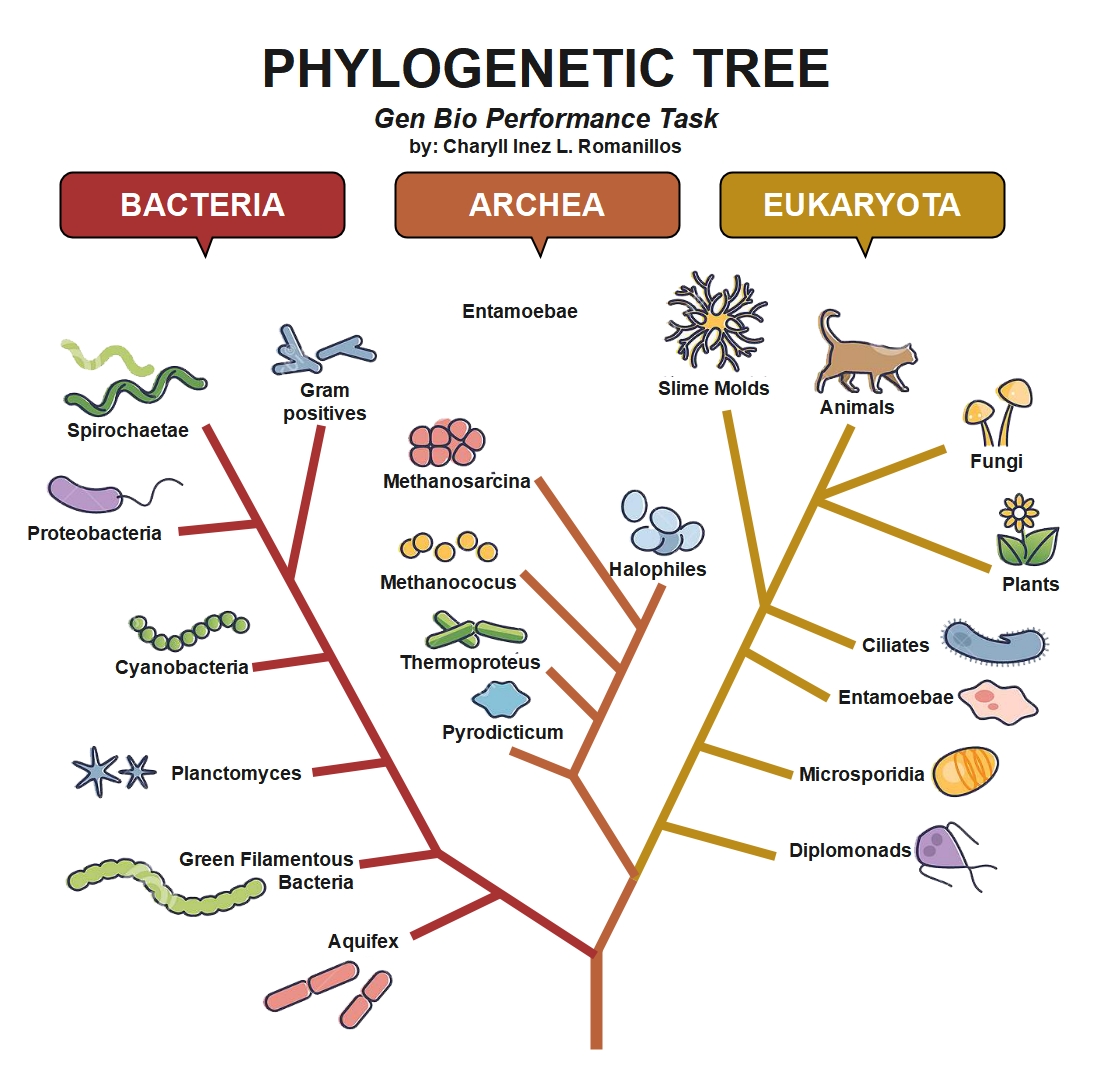
Human Evolution Tree Diagram Guide
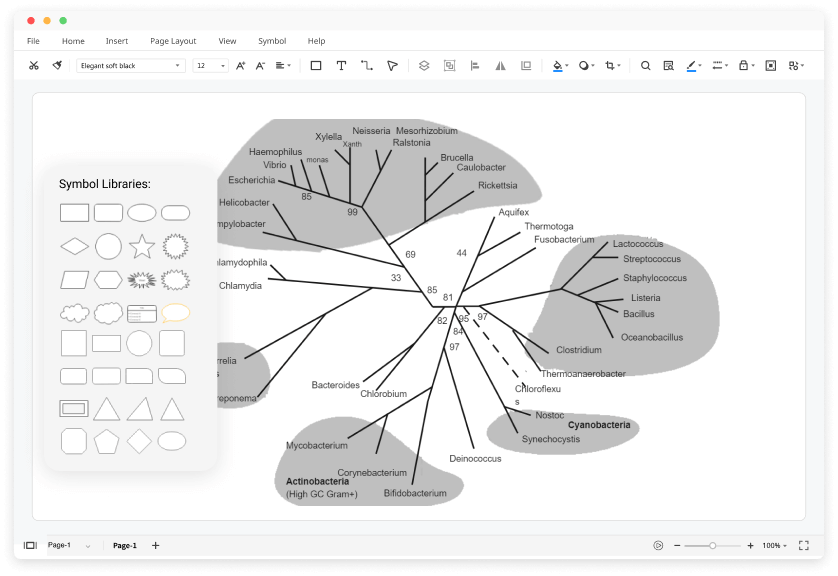
Free Tree Maker with Free Templates EdrawMax
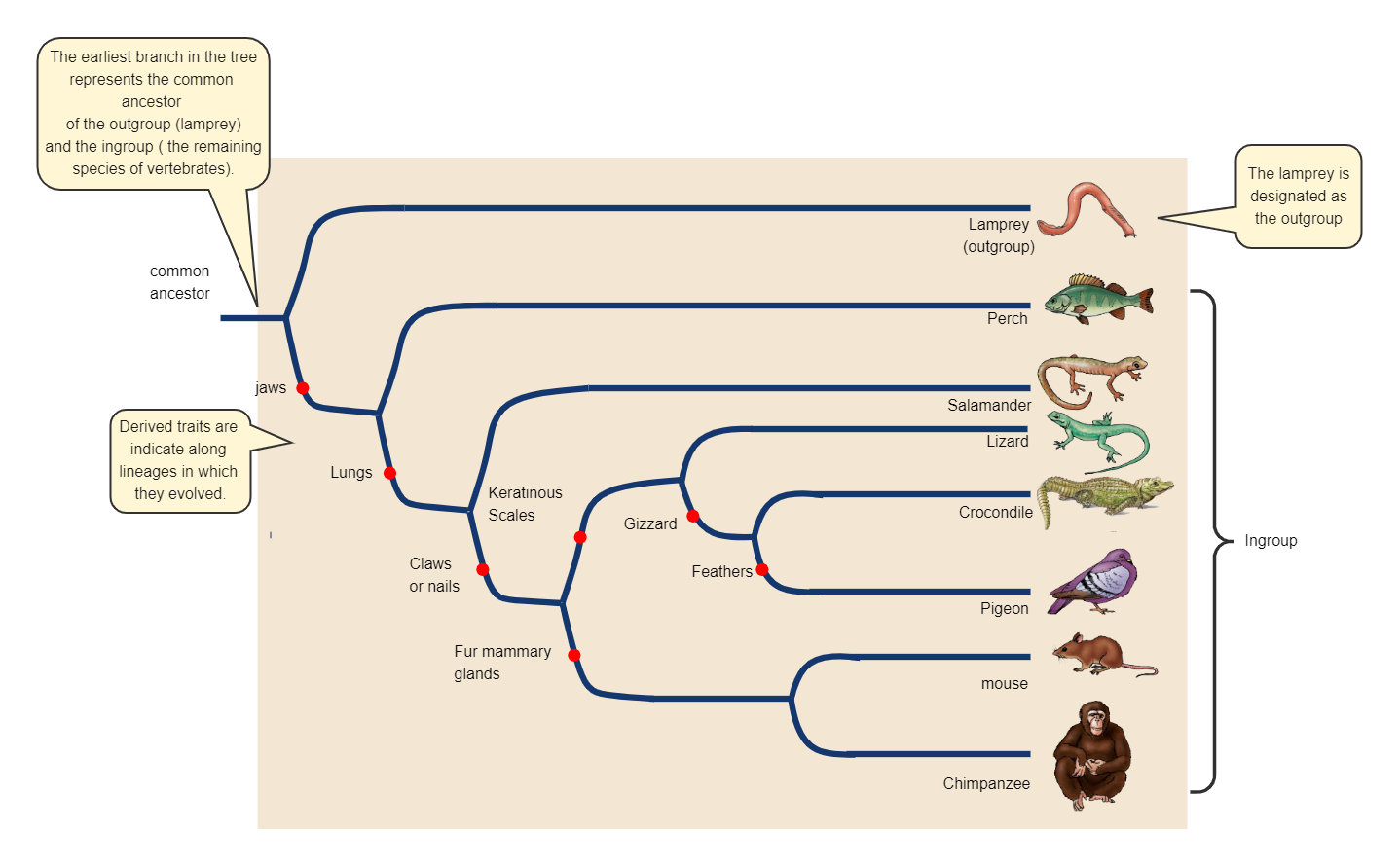
Tree Template
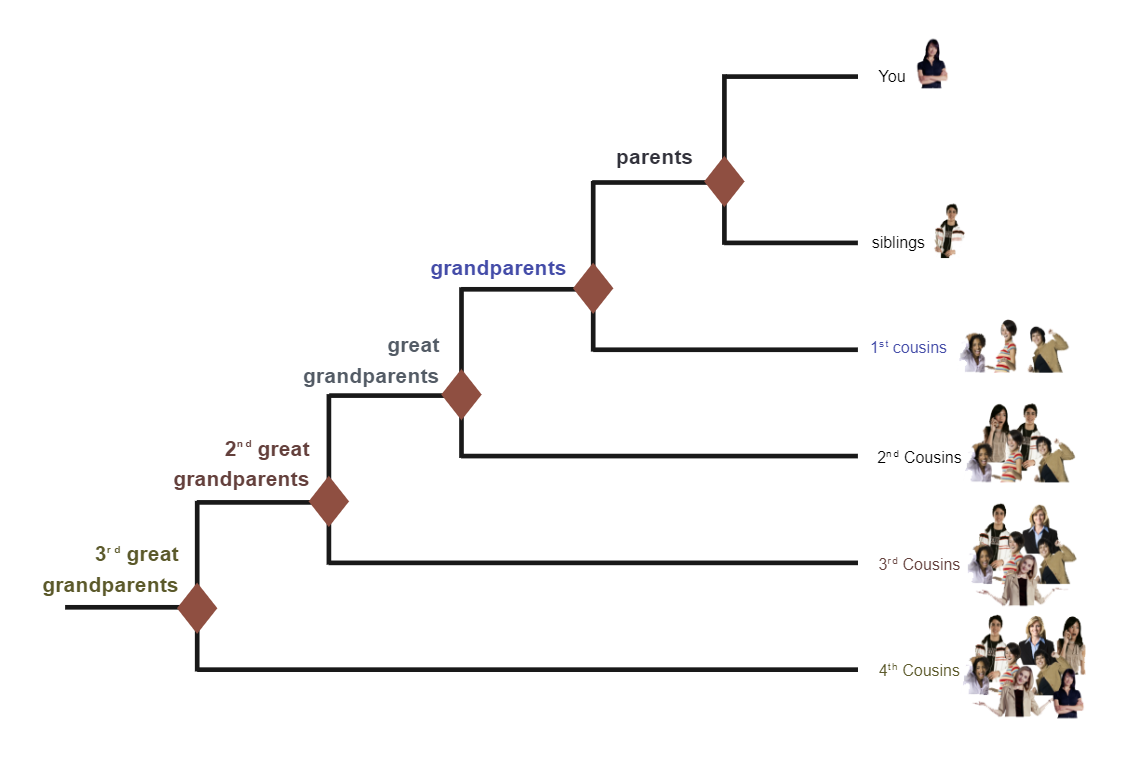
Family Tree EdrawMax Templates
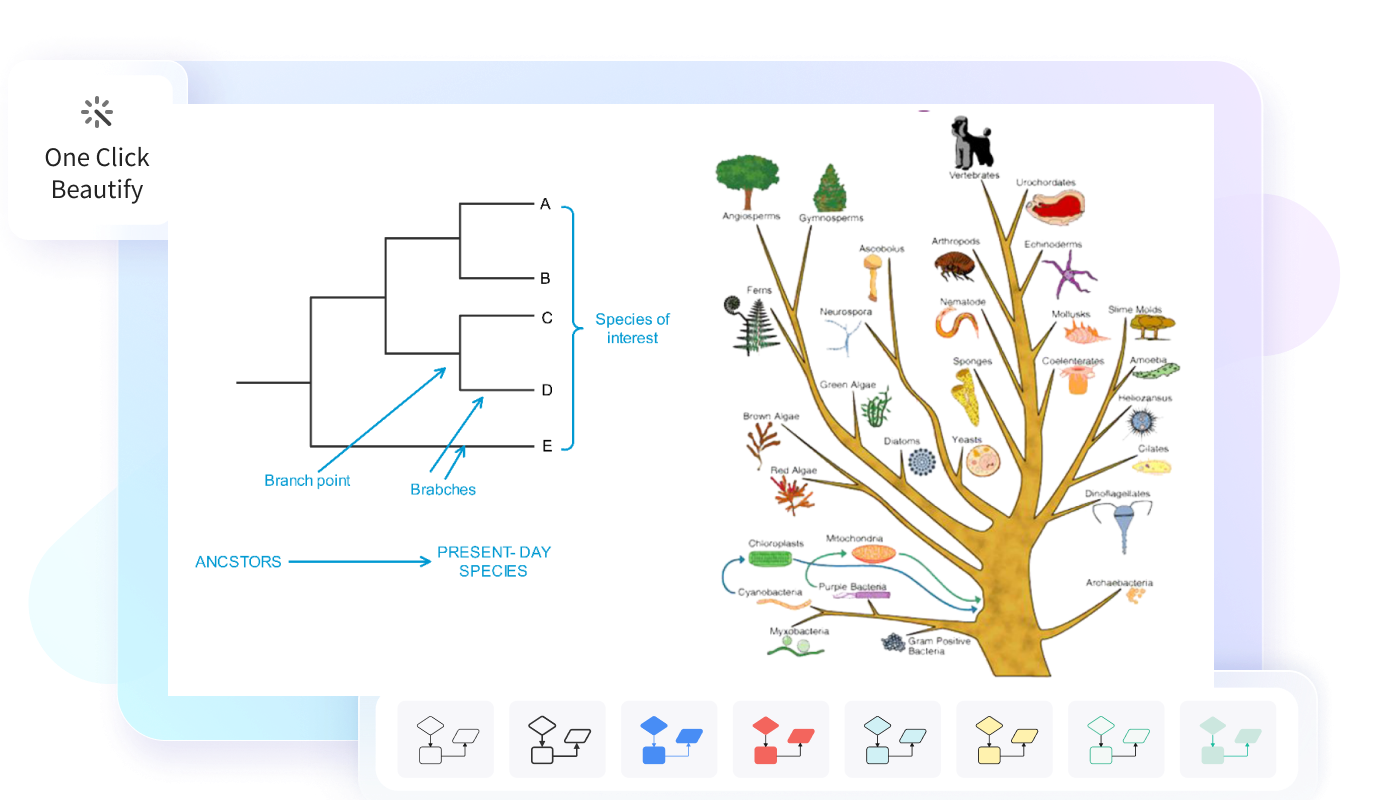
Professional Tree Maker
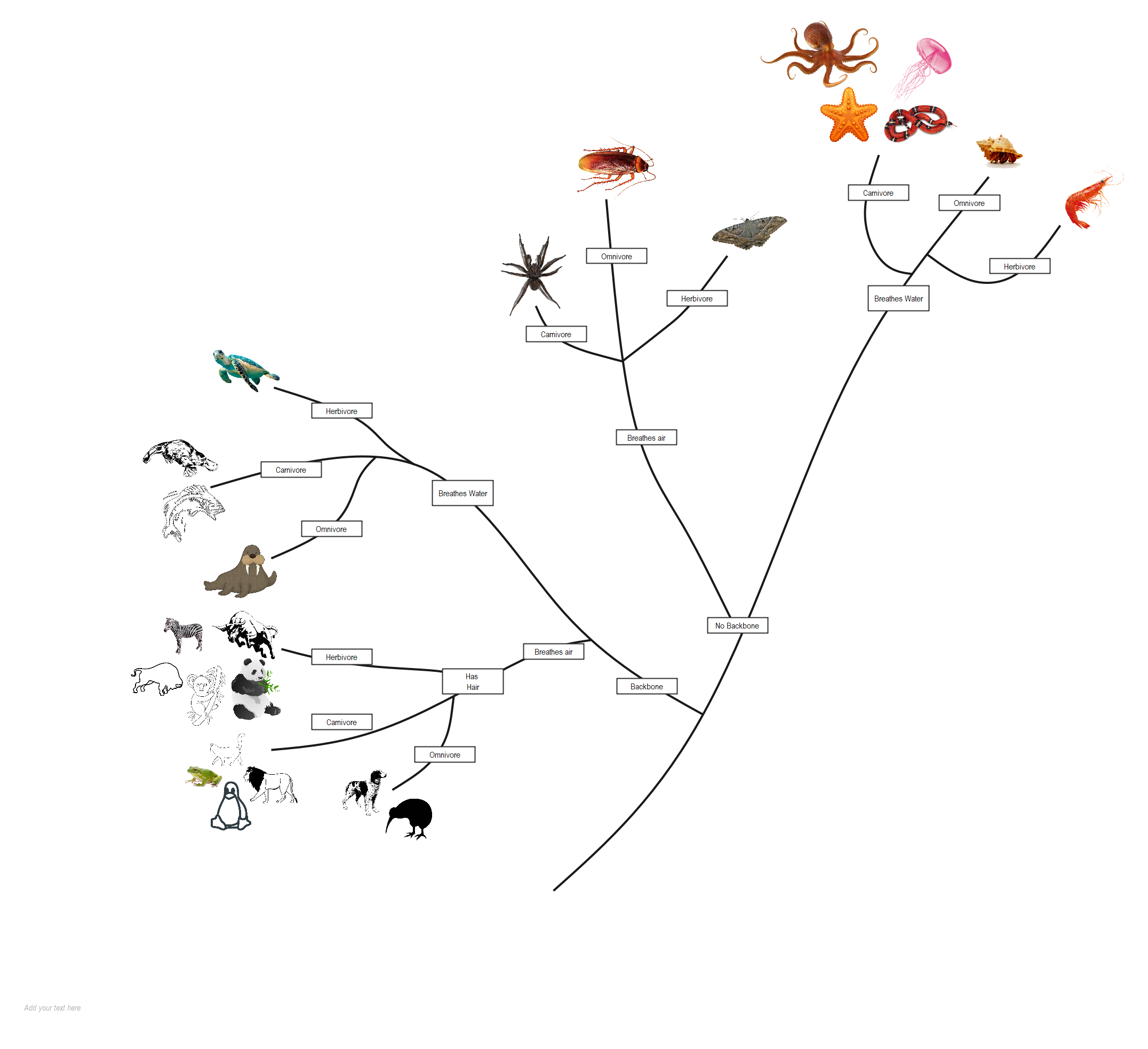
Tree Template
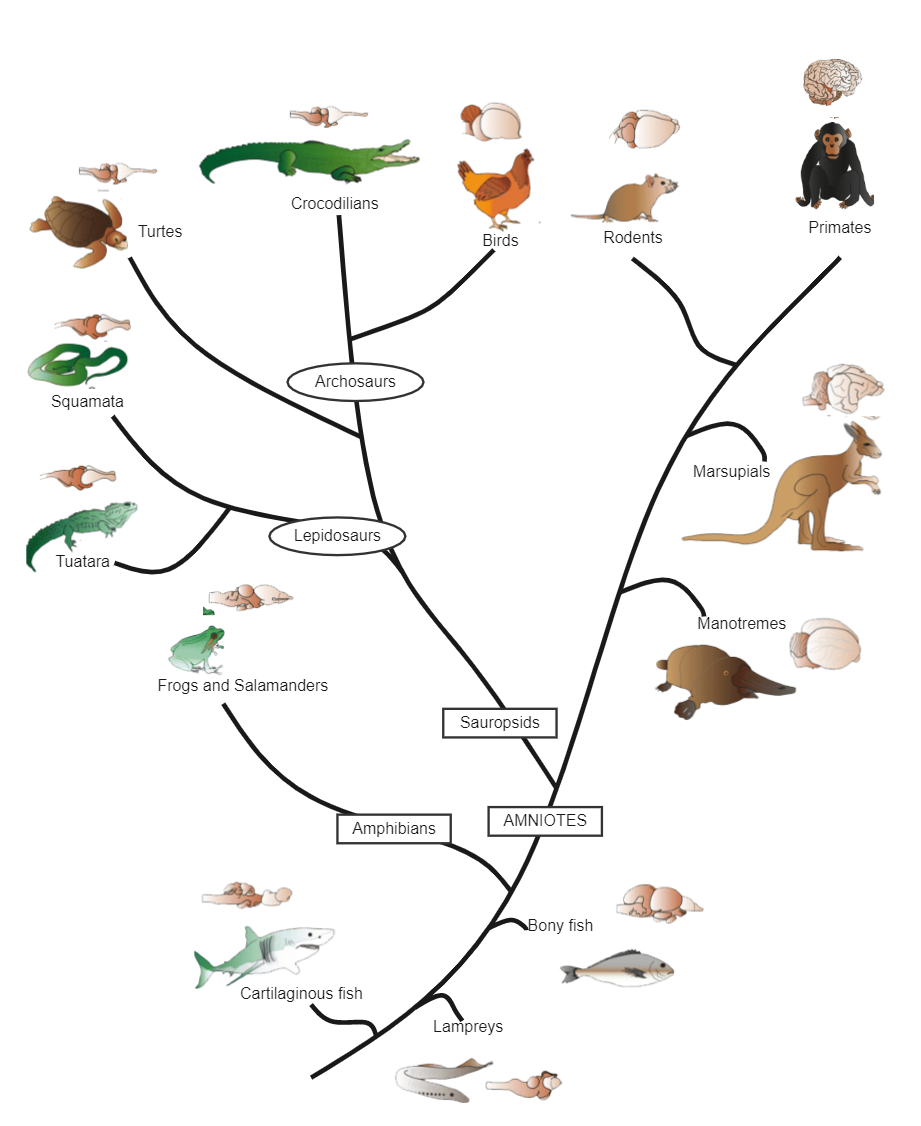
Vertebrate Tree EdrawMax Template

Free Tree Maker with Free Templates EdrawMax
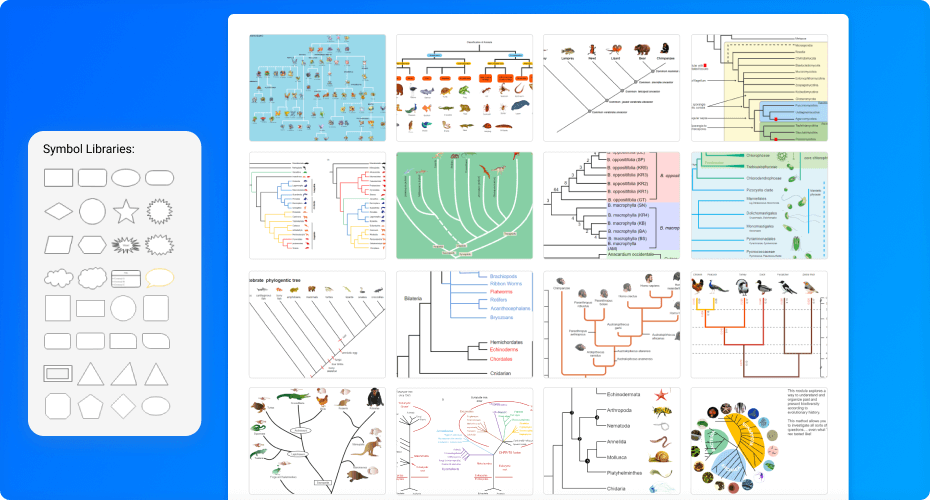
Free Tree Maker with Free Templates EdrawMax
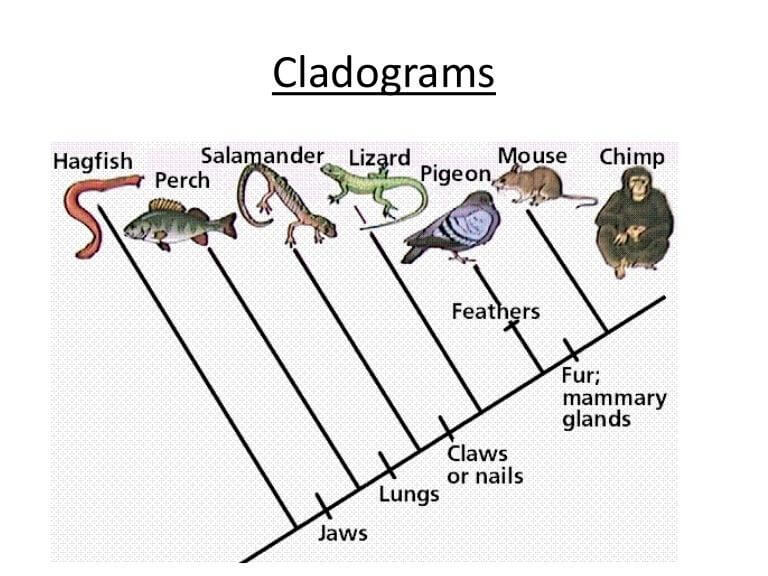
Trees Explained with Examples EdrawMax
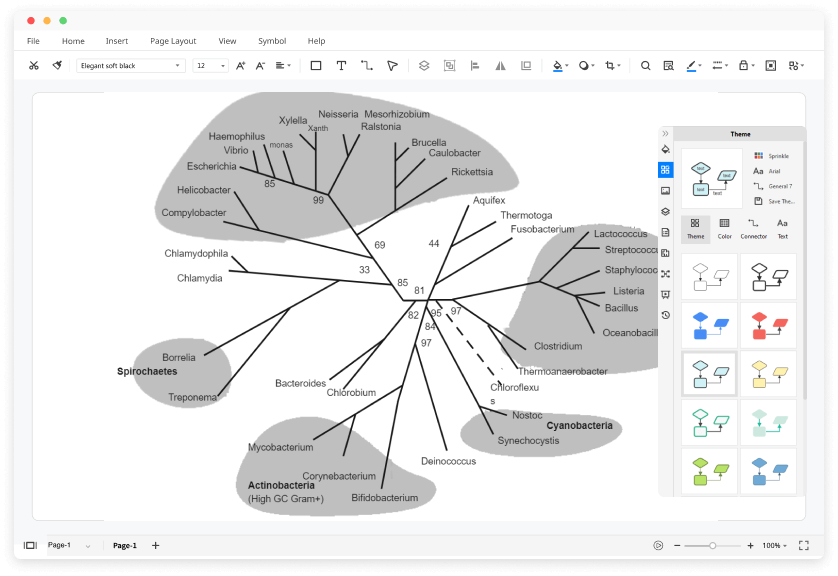
Free Tree Maker with Free Templates EdrawMax

Blank Tree Template
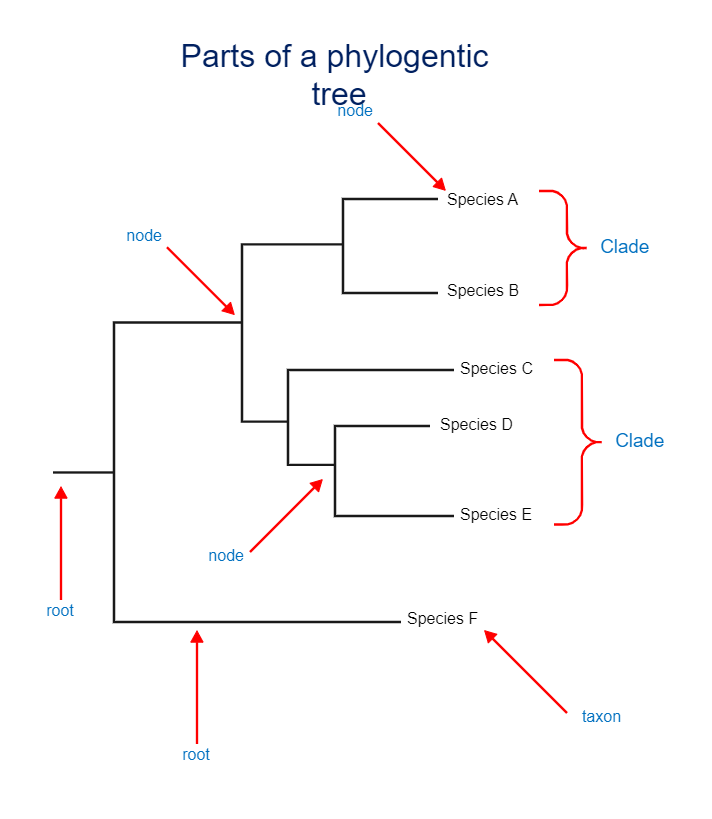
Parts of A Tree Template EdrawMax Templates
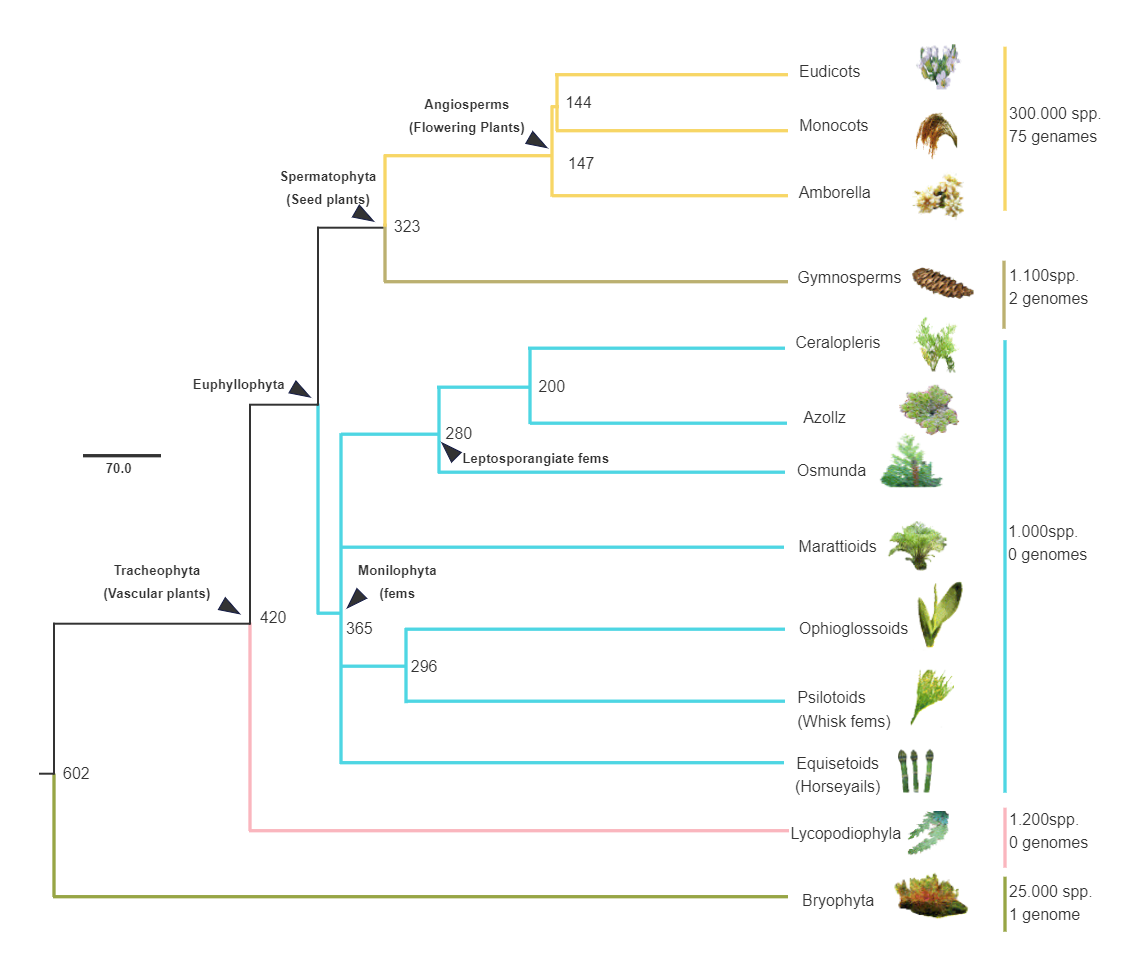
Land Plant Tree EdrawMax Templates
Tree Template
Tree Table Generator AJRUZ

FREE Tree Maker Online Miro

Tree Template
Tree Template

Tree Template
Human Tree EdrawMax Templates
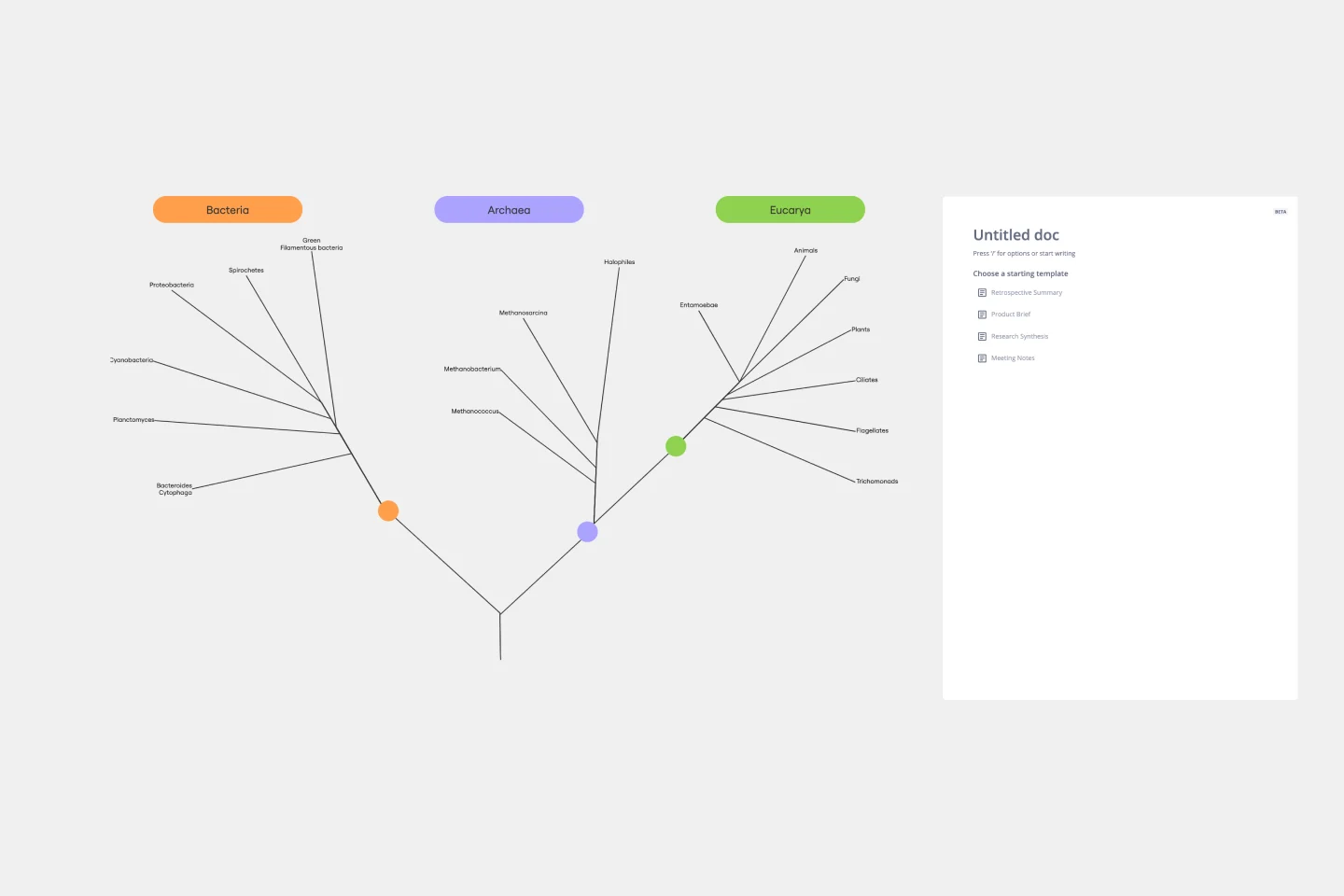
EasytoUse Cladogram Maker Miro
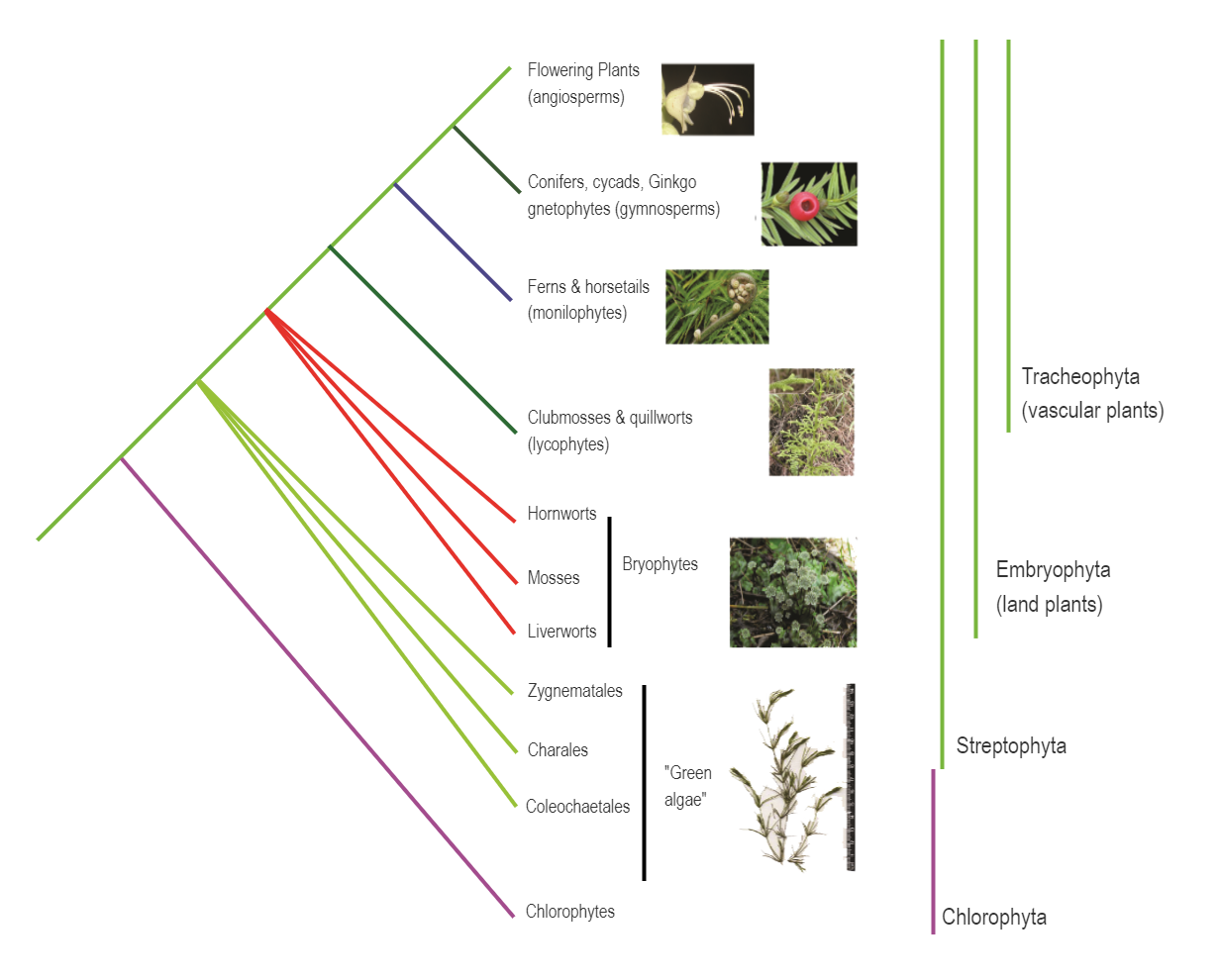
Tree Template

Professional Tree Maker
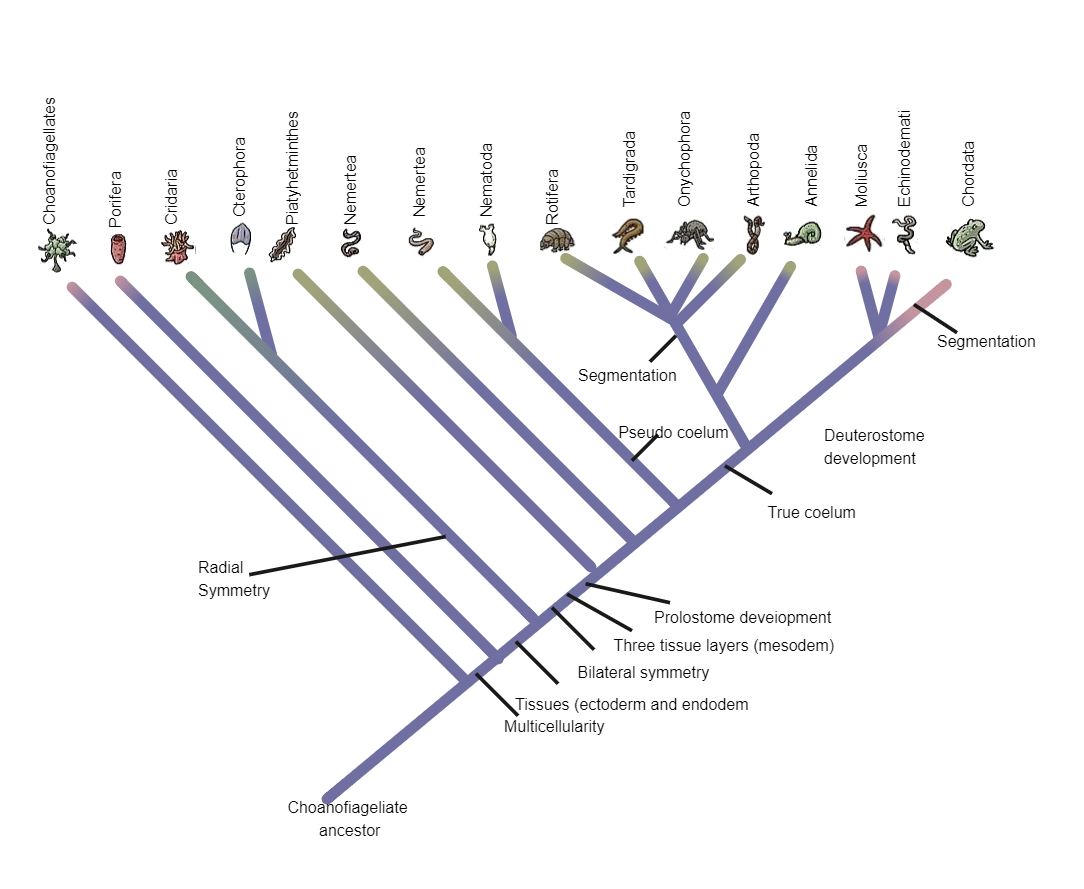
Tree Template
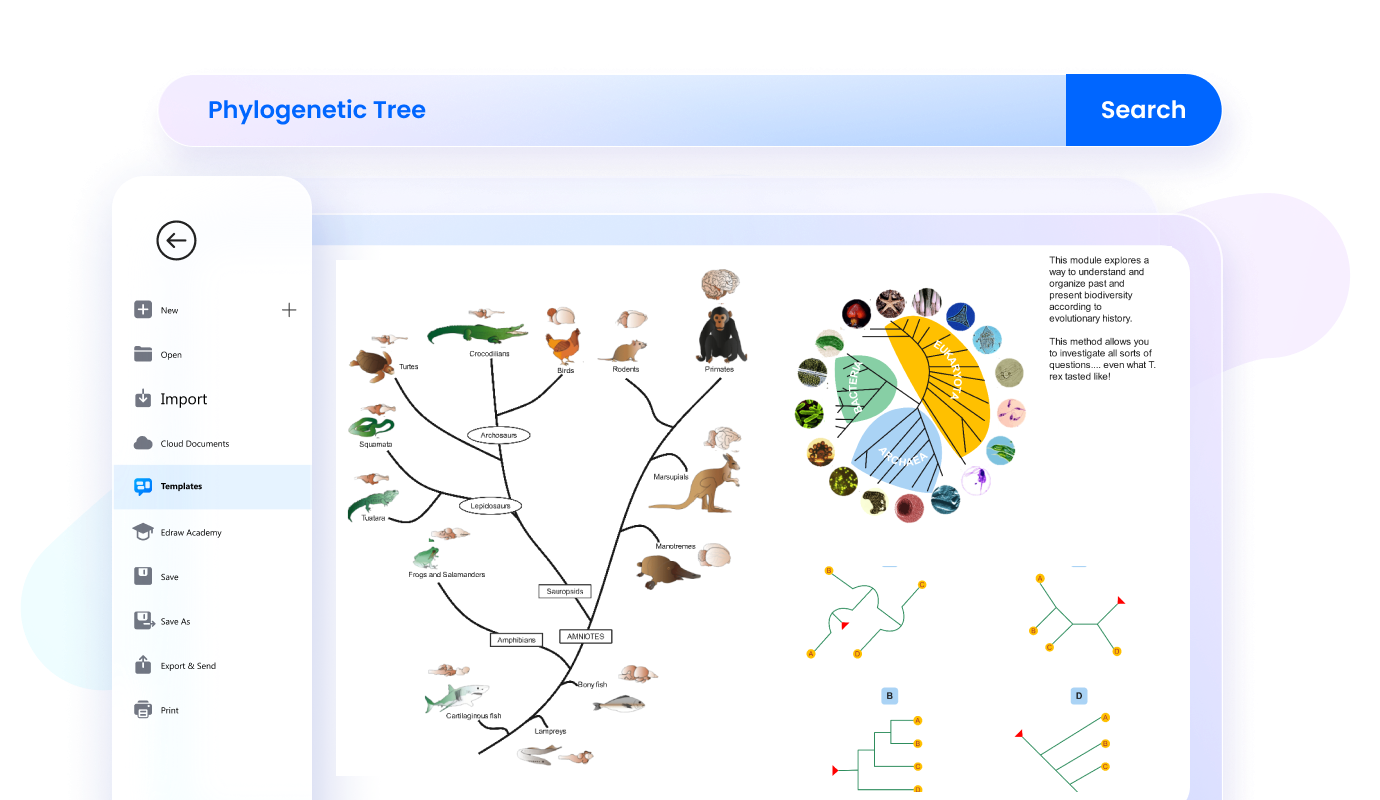
Professional Tree Maker

Free Tree Maker with Free Templates EdrawMax
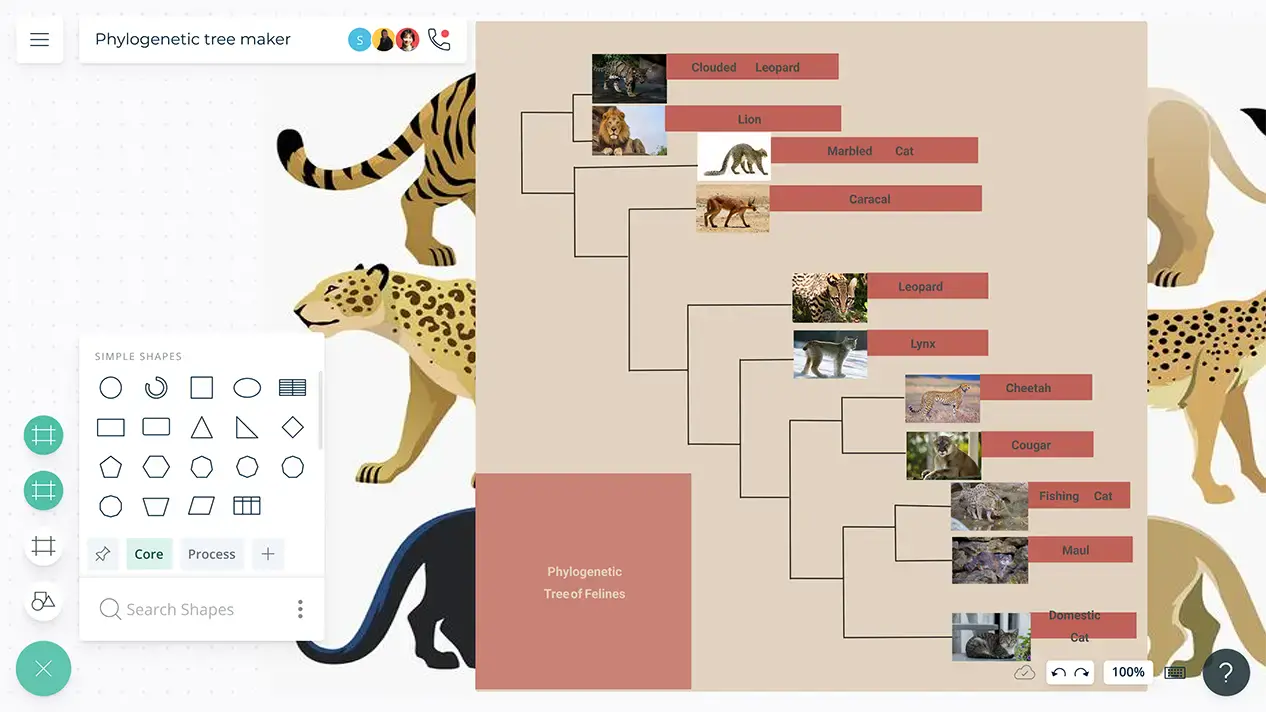
Tree Maker Tree Template Creately

Free Online Tree Maker
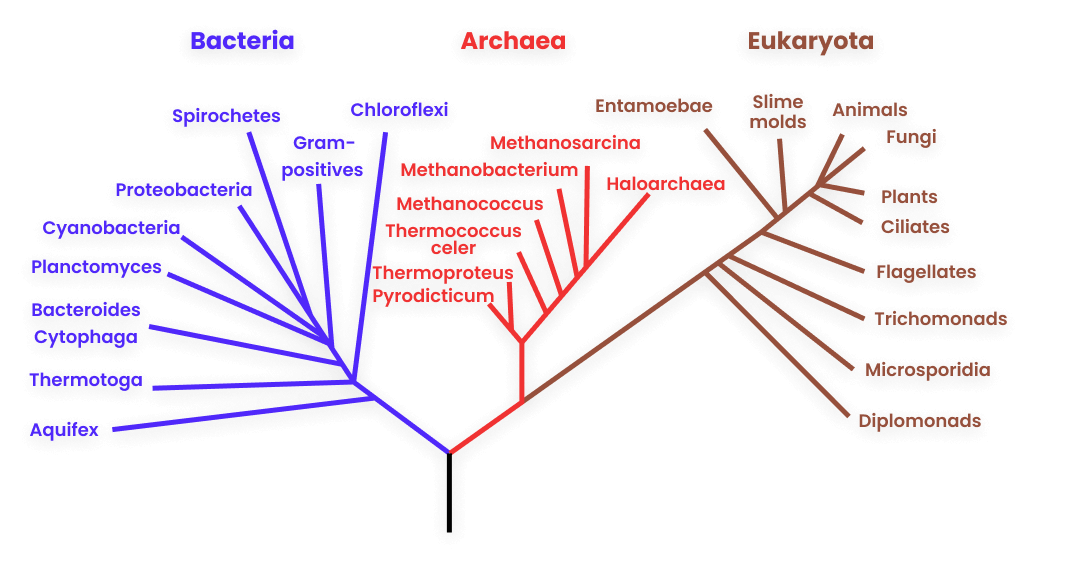
Free Tree Maker with Free Templates EdrawMax

Tree (Layout) BioRender Science Templates

Free Tree Maker with Free Templates EdrawMax
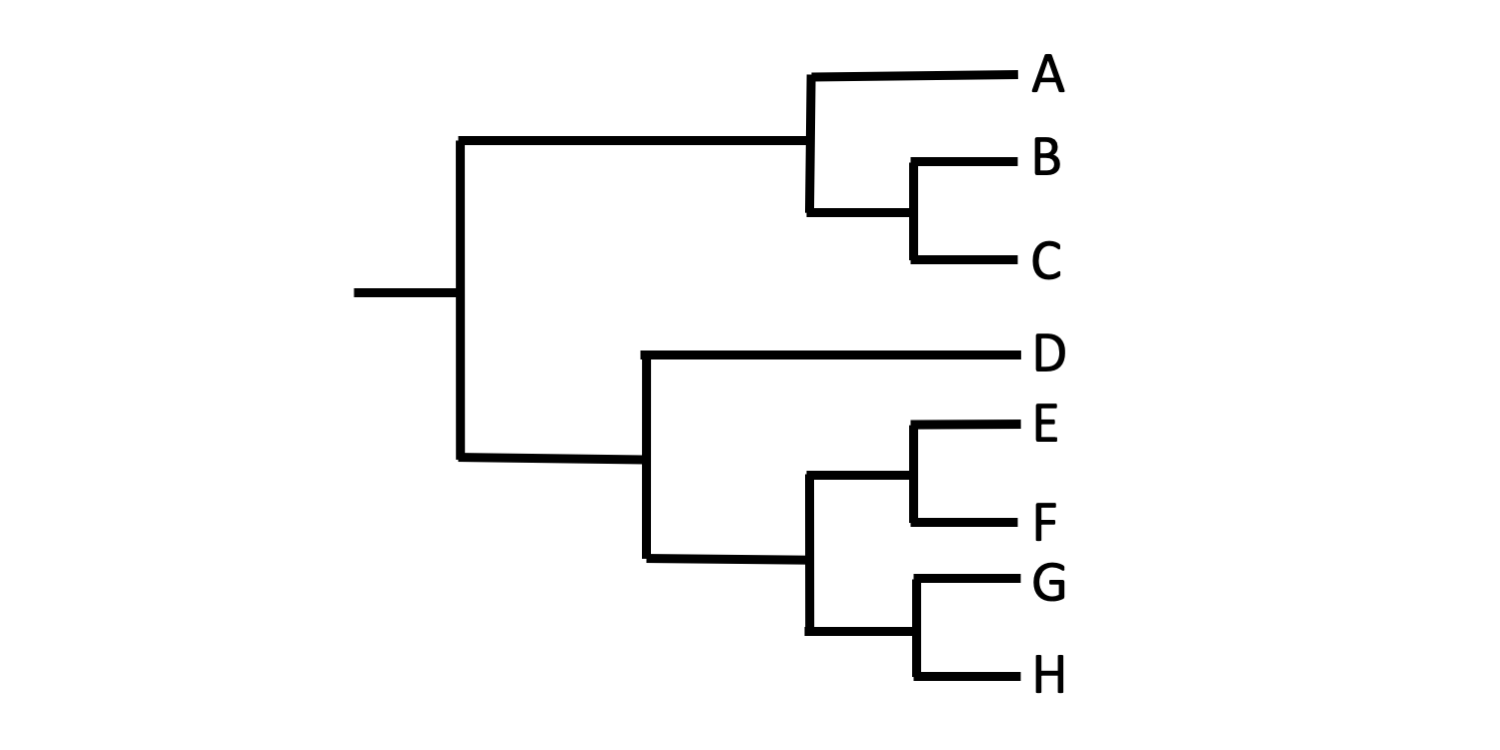
Simple Tree Maker
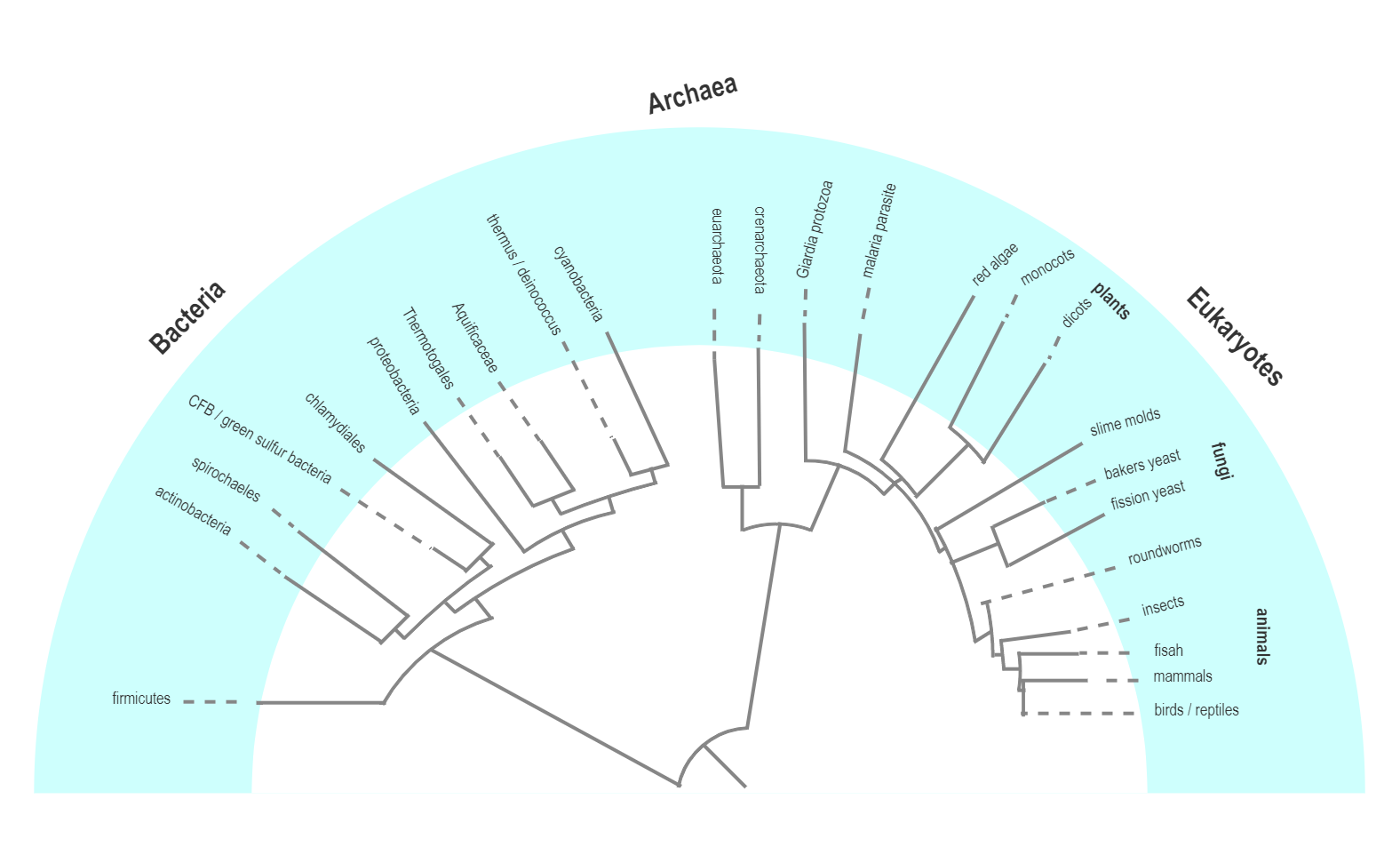
Life Tree Simplified EdrawMax Templates
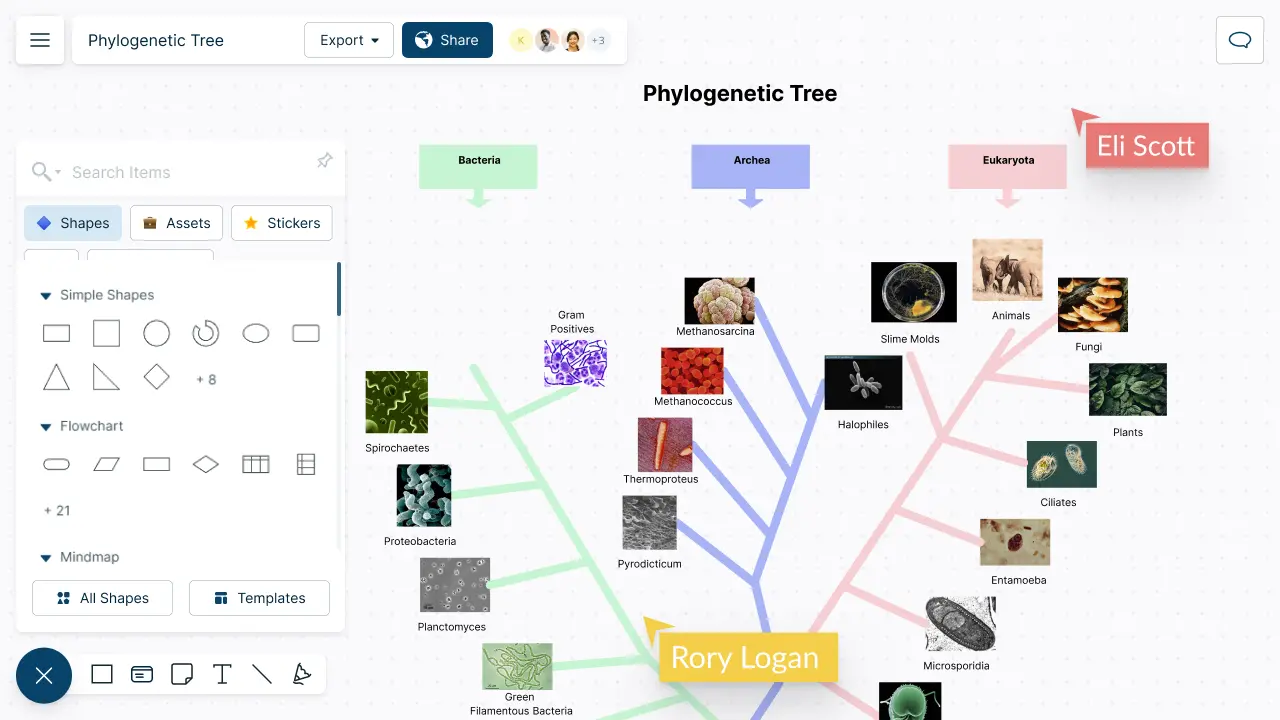
Free Tree Maker Tree Generator Creately
We Can Reconstruct A Phylogenetic Tree By Looking At The Nucleotide Or Protein Sequences And Combining This With Our Understanding Of Sequence Evolution, Which Is Described Using An Evolutionary Model.
Phylogenetics Is The Study Of Evolutionary Relationships By Inferring Or Estimating The Evolutionary Past.
Phylogenetics, In Biology, The Study Of The Ancestral Relatedness Of Groups Of Organisms, Whether Alive Or Extinct.
Related Post: