
Skull Pumpkin Template
Skull Pumpkin Template - The skull is one of the most vital bony structures of the human body, as it houses and protects the most important organs, including the brain. Your skull is the part of your skeleton that holds and protects your brain. The skull consists of the rounded brain case that houses the brain and the facial bones that form the upper and lower jaws, nose, orbits, and other facial structures. Skull, skeletal framework of the head of vertebrates, composed of bones or cartilage, which form a unit that protects the brain and some sense organs. It also holds or supports several of your main sensory organs, like your eyes, ears, nose,. An overview of the bones of the skull, including the cranium, facial skeleton, and sutures, with key anatomical features and clinical relevance. The skull includes the upper jaw. During fetal development, the bones of the skull form within tough, fibrous. The skull forms the frontmost portion of the axial skeleton and is a product of cephalization and vesicular enlargement of the brain, with several special senses structures such as the eyes, ears, nose,. There are 29 bones (including the hyoid and middle ear bones). Your skull is the part of your skeleton that holds and protects your brain. There are 29 bones (including the hyoid and middle ear bones). Skull, skeletal framework of the head of vertebrates, composed of bones or cartilage, which form a unit that protects the brain and some sense organs. It also holds or supports several of your main sensory. There are 29 bones (including the hyoid and middle ear bones). The skull includes the upper jaw. The skull consists of the rounded brain case that houses the brain and the facial bones that form the upper and lower jaws, nose, orbits, and other facial structures. It also holds or supports several of your main sensory organs, like your eyes,. There are 29 bones (including the hyoid and middle ear bones). It also holds or supports several of your main sensory organs, like your eyes, ears, nose,. Skull, skeletal framework of the head of vertebrates, composed of bones or cartilage, which form a unit that protects the brain and some sense organs. The skull forms the frontmost portion of the. There are 29 bones (including the hyoid and middle ear bones). The skull consists of the rounded brain case that houses the brain and the facial bones that form the upper and lower jaws, nose, orbits, and other facial structures. It also holds or supports several of your main sensory organs, like your eyes, ears, nose,. During fetal development, the. During fetal development, the bones of the skull form within tough, fibrous. The skull consists of the rounded brain case that houses the brain and the facial bones that form the upper and lower jaws, nose, orbits, and other facial structures. The skull forms the frontmost portion of the axial skeleton and is a product of cephalization and vesicular enlargement. Skull, skeletal framework of the head of vertebrates, composed of bones or cartilage, which form a unit that protects the brain and some sense organs. An overview of the bones of the skull, including the cranium, facial skeleton, and sutures, with key anatomical features and clinical relevance. The skull is one of the most vital bony structures of the human. The skull forms the frontmost portion of the axial skeleton and is a product of cephalization and vesicular enlargement of the brain, with several special senses structures such as the eyes, ears, nose,. Your skull is the part of your skeleton that holds and protects your brain. The skull includes the upper jaw. Skull, skeletal framework of the head of. An overview of the bones of the skull, including the cranium, facial skeleton, and sutures, with key anatomical features and clinical relevance. Skull, skeletal framework of the head of vertebrates, composed of bones or cartilage, which form a unit that protects the brain and some sense organs. Your skull is the part of your skeleton that holds and protects your. There are 29 bones (including the hyoid and middle ear bones). Skull, skeletal framework of the head of vertebrates, composed of bones or cartilage, which form a unit that protects the brain and some sense organs. It also holds or supports several of your main sensory organs, like your eyes, ears, nose,. The skull consists of the rounded brain case. There are 29 bones (including the hyoid and middle ear bones). The skull forms the frontmost portion of the axial skeleton and is a product of cephalization and vesicular enlargement of the brain, with several special senses structures such as the eyes, ears, nose,. During fetal development, the bones of the skull form within tough, fibrous. Skull, skeletal framework of. Skull, skeletal framework of the head of vertebrates, composed of bones or cartilage, which form a unit that protects the brain and some sense organs. During fetal development, the bones of the skull form within tough, fibrous. An overview of the bones of the skull, including the cranium, facial skeleton, and sutures, with key anatomical features and clinical relevance. The. The skull consists of the rounded brain case that houses the brain and the facial bones that form the upper and lower jaws, nose, orbits, and other facial structures. During fetal development, the bones of the skull form within tough, fibrous. The skull includes the upper jaw. The skull is one of the most vital bony structures of the human. During fetal development, the bones of the skull form within tough, fibrous. The skull includes the upper jaw. The skull forms the frontmost portion of the axial skeleton and is a product of cephalization and vesicular enlargement of the brain, with several special senses structures such as the eyes, ears, nose,. The skull is one of the most vital bony. It also holds or supports several of your main sensory organs, like your eyes, ears, nose,. The skull is one of the most vital bony structures of the human body, as it houses and protects the most important organs, including the brain. There are 29 bones (including the hyoid and middle ear bones). During fetal development, the bones of the. There are 29 bones (including the hyoid and middle ear bones). Skull, skeletal framework of the head of vertebrates, composed of bones or cartilage, which form a unit that protects the brain and some sense organs. During fetal development, the bones of the skull form within tough, fibrous. It also holds or supports several of your main sensory organs, like. The skull includes the upper jaw. During fetal development, the bones of the skull form within tough, fibrous. The skull forms the frontmost portion of the axial skeleton and is a product of cephalization and vesicular enlargement of the brain, with several special senses structures such as the eyes, ears, nose,. An overview of the bones of the skull, including. It also holds or supports several of your main sensory organs, like your eyes, ears, nose,. During fetal development, the bones of the skull form within tough, fibrous. The skull consists of the rounded brain case that houses the brain and the facial bones that form the upper and lower jaws, nose, orbits, and other facial structures. An overview of. There are 29 bones (including the hyoid and middle ear bones). The skull is one of the most vital bony structures of the human body, as it houses and protects the most important organs, including the brain. Your skull is the part of your skeleton that holds and protects your brain. Skull, skeletal framework of the head of vertebrates, composed. The skull is one of the most vital bony structures of the human body, as it houses and protects the most important organs, including the brain. The skull includes the upper jaw. Skull, skeletal framework of the head of vertebrates, composed of bones or cartilage, which form a unit that protects the brain and some sense organs. The skull forms. It also holds or supports several of your main sensory organs, like your eyes, ears, nose,. There are 29 bones (including the hyoid and middle ear bones). Your skull is the part of your skeleton that holds and protects your brain. The skull is one of the most vital bony structures of the human body, as it houses and protects. An overview of the bones of the skull, including the cranium, facial skeleton, and sutures, with key anatomical features and clinical relevance. The skull is one of the most vital bony structures of the human body, as it houses and protects the most important organs, including the brain. It also holds or supports several of your main sensory organs, like. The skull consists of the rounded brain case that houses the brain and the facial bones that form the upper and lower jaws, nose, orbits, and other facial structures. The skull forms the frontmost portion of the axial skeleton and is a product of cephalization and vesicular enlargement of the brain, with several special senses structures such as the eyes,. The skull is one of the most vital bony structures of the human body, as it houses and protects the most important organs, including the brain. The skull consists of the rounded brain case that houses the brain and the facial bones that form the upper and lower jaws, nose, orbits, and other facial structures. The skull forms the frontmost. It also holds or supports several of your main sensory organs, like your eyes, ears, nose,. The skull is one of the most vital bony structures of the human body, as it houses and protects the most important organs, including the brain. The skull forms the frontmost portion of the axial skeleton and is a product of cephalization and vesicular. An overview of the bones of the skull, including the cranium, facial skeleton, and sutures, with key anatomical features and clinical relevance. It also holds or supports several of your main sensory organs, like your eyes, ears, nose,. The skull forms the frontmost portion of the axial skeleton and is a product of cephalization and vesicular enlargement of the brain,. The skull includes the upper jaw. There are 29 bones (including the hyoid and middle ear bones). Your skull is the part of your skeleton that holds and protects your brain. The skull forms the frontmost portion of the axial skeleton and is a product of cephalization and vesicular enlargement of the brain, with several special senses structures such as. Skull, skeletal framework of the head of vertebrates, composed of bones or cartilage, which form a unit that protects the brain and some sense organs. An overview of the bones of the skull, including the cranium, facial skeleton, and sutures, with key anatomical features and clinical relevance. The skull forms the frontmost portion of the axial skeleton and is a. The skull forms the frontmost portion of the axial skeleton and is a product of cephalization and vesicular enlargement of the brain, with several special senses structures such as the eyes, ears, nose,. An overview of the bones of the skull, including the cranium, facial skeleton, and sutures, with key anatomical features and clinical relevance. The skull consists of the. Skull, skeletal framework of the head of vertebrates, composed of bones or cartilage, which form a unit that protects the brain and some sense organs. Your skull is the part of your skeleton that holds and protects your brain. During fetal development, the bones of the skull form within tough, fibrous. The skull is one of the most vital bony. During fetal development, the bones of the skull form within tough, fibrous. It also holds or supports several of your main sensory organs, like your eyes, ears, nose,. Your skull is the part of your skeleton that holds and protects your brain. Skull, skeletal framework of the head of vertebrates, composed of bones or cartilage, which form a unit that. The skull includes the upper jaw. It also holds or supports several of your main sensory organs, like your eyes, ears, nose,. Your skull is the part of your skeleton that holds and protects your brain. The skull consists of the rounded brain case that houses the brain and the facial bones that form the upper and lower jaws, nose,. It also holds or supports several of your main sensory organs, like your eyes, ears, nose,. The skull is one of the most vital bony structures of the human body, as it houses and protects the most important organs, including the brain. During fetal development, the bones of the skull form within tough, fibrous. The skull consists of the rounded. Skull, skeletal framework of the head of vertebrates, composed of bones or cartilage, which form a unit that protects the brain and some sense organs. The skull forms the frontmost portion of the axial skeleton and is a product of cephalization and vesicular enlargement of the brain, with several special senses structures such as the eyes, ears, nose,. The skull. The skull includes the upper jaw. The skull consists of the rounded brain case that houses the brain and the facial bones that form the upper and lower jaws, nose, orbits, and other facial structures. It also holds or supports several of your main sensory organs, like your eyes, ears, nose,. Skull, skeletal framework of the head of vertebrates, composed. During fetal development, the bones of the skull form within tough, fibrous. Your skull is the part of your skeleton that holds and protects your brain. There are 29 bones (including the hyoid and middle ear bones). Skull, skeletal framework of the head of vertebrates, composed of bones or cartilage, which form a unit that protects the brain and some. The skull forms the frontmost portion of the axial skeleton and is a product of cephalization and vesicular enlargement of the brain, with several special senses structures such as the eyes, ears, nose,. It also holds or supports several of your main sensory organs, like your eyes, ears, nose,. There are 29 bones (including the hyoid and middle ear bones). Your skull is the part of your skeleton that holds and protects your brain. The skull includes the upper jaw. The skull consists of the rounded brain case that houses the brain and the facial bones that form the upper and lower jaws, nose, orbits, and other facial structures. During fetal development, the bones of the skull form within tough, fibrous. An overview of the bones of the skull, including the cranium, facial skeleton, and sutures, with key anatomical features and clinical relevance.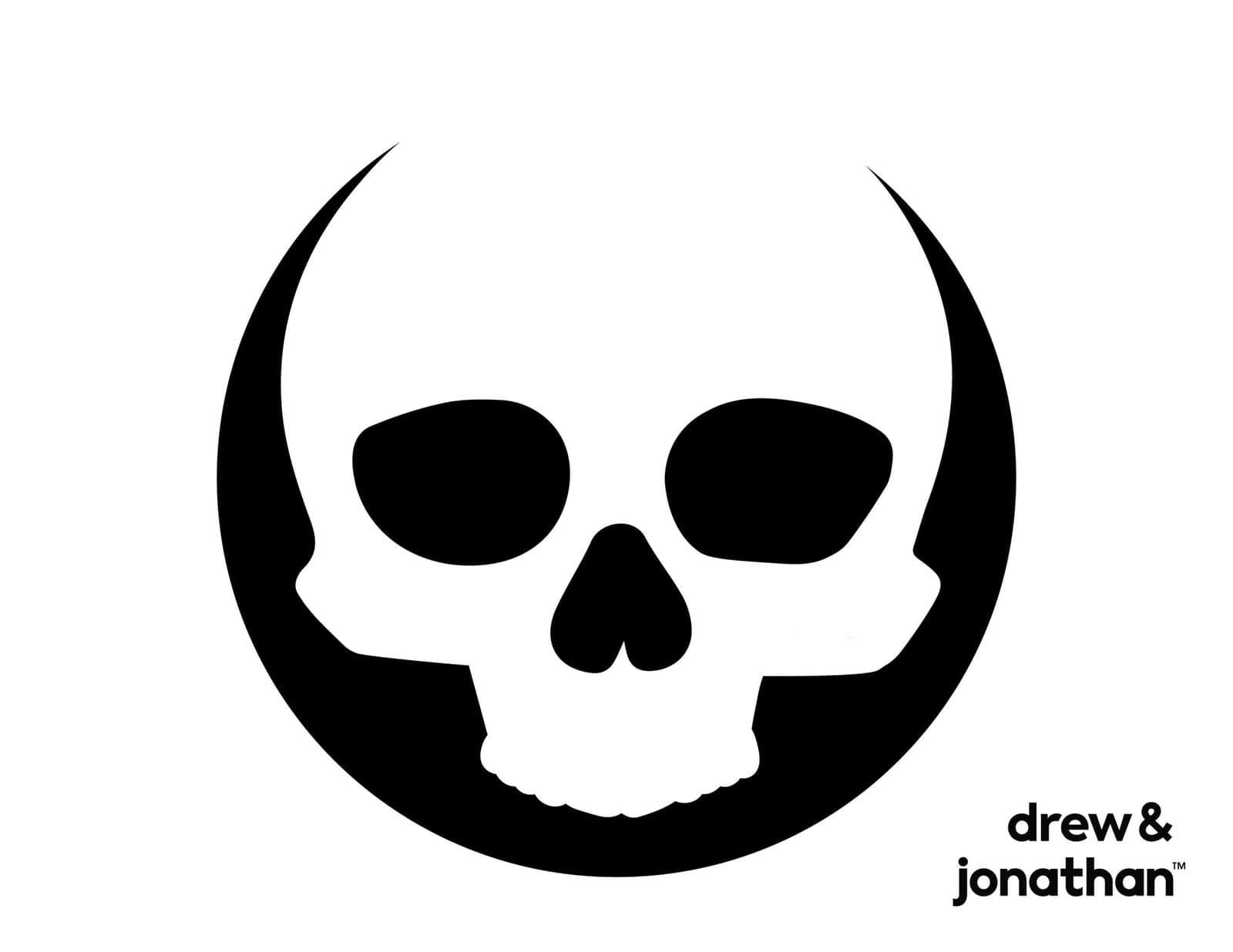
12 Free Pumpkin Stencils for Your Halloween Carving Night


Skull Pumpkin Stencils Free 10 Free PDF Printables Printablee

Skull Pumpkin Carving Stencil PRINTABLE Halloween Pumpkin Pumpkin

Skull Pumpkin Stencil Printable Printable Free Templates
Skull Pumpkin Stencil


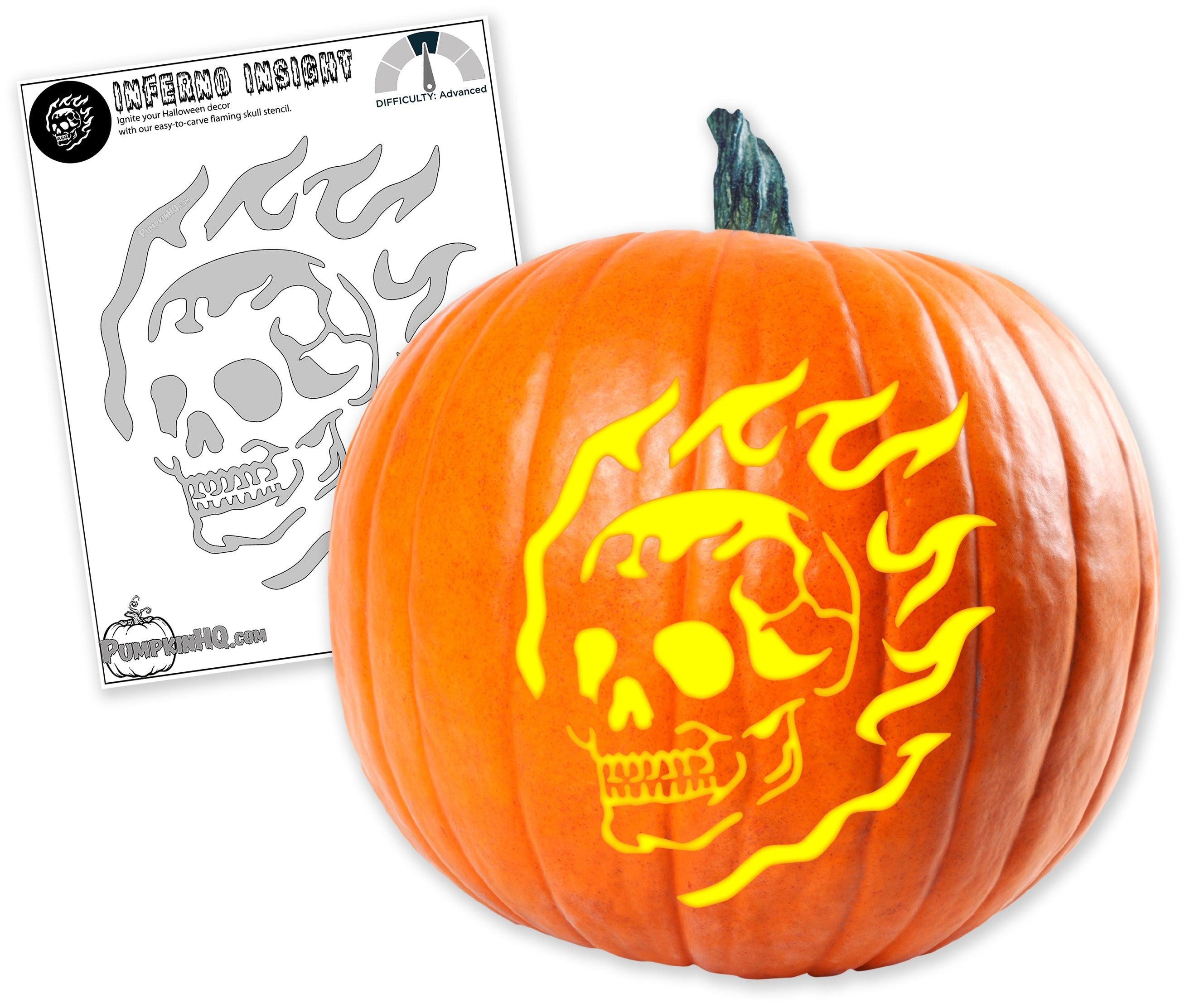
Skull Pumpkin Stencils
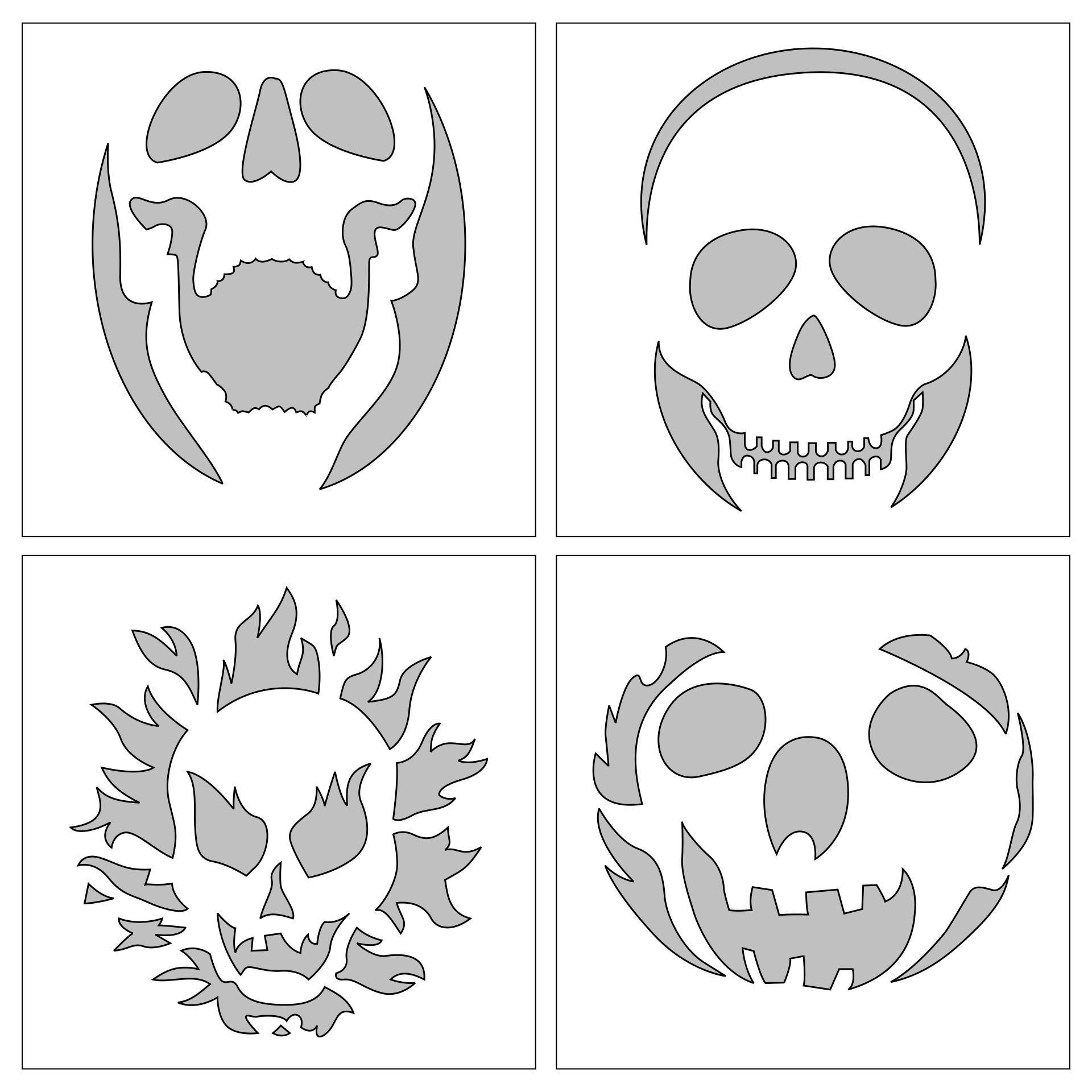
Printable Skull Pumpkin Stencil
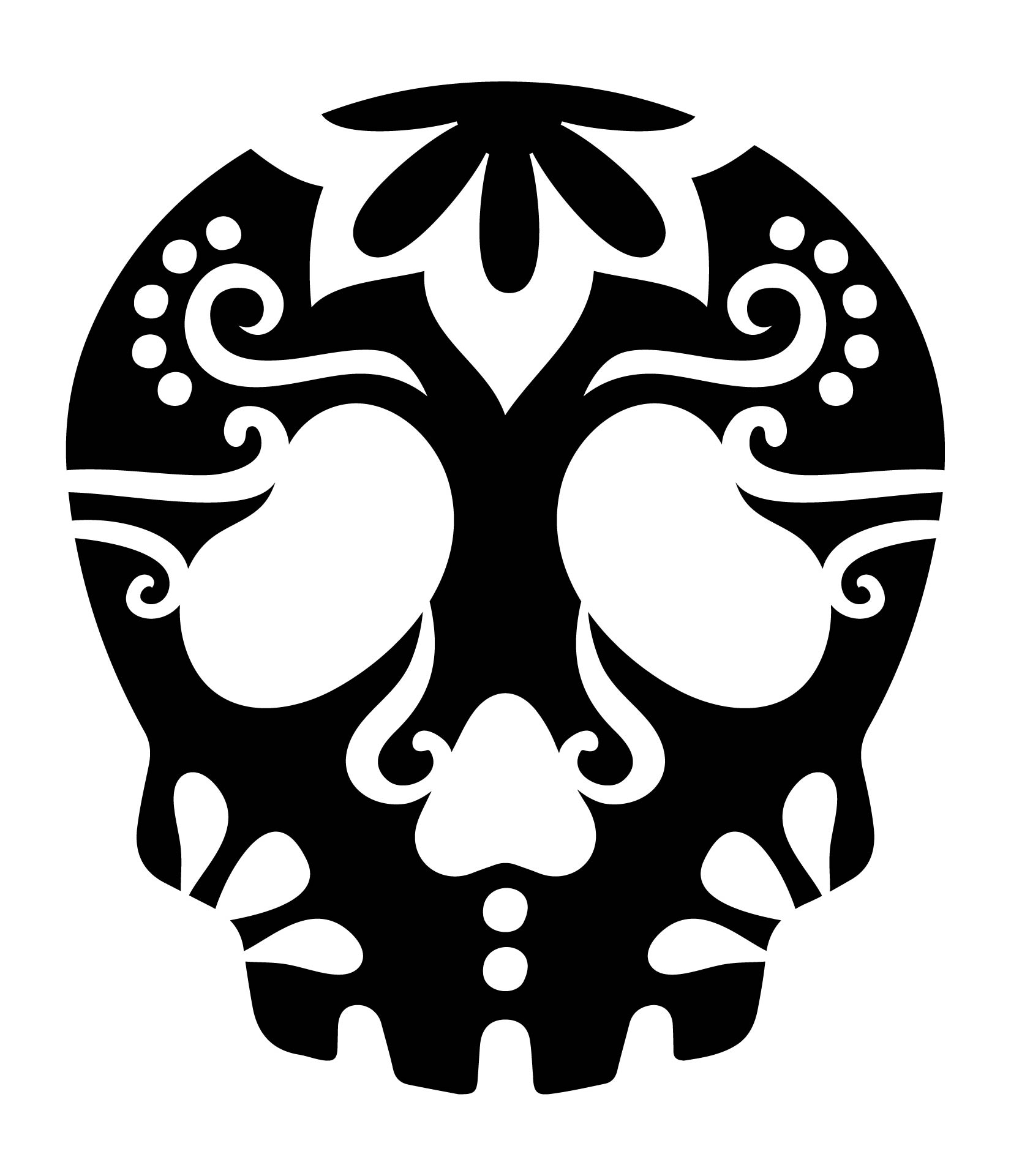
Skull Pumpkin Stencils Free 10 Free PDF Printables Printablee
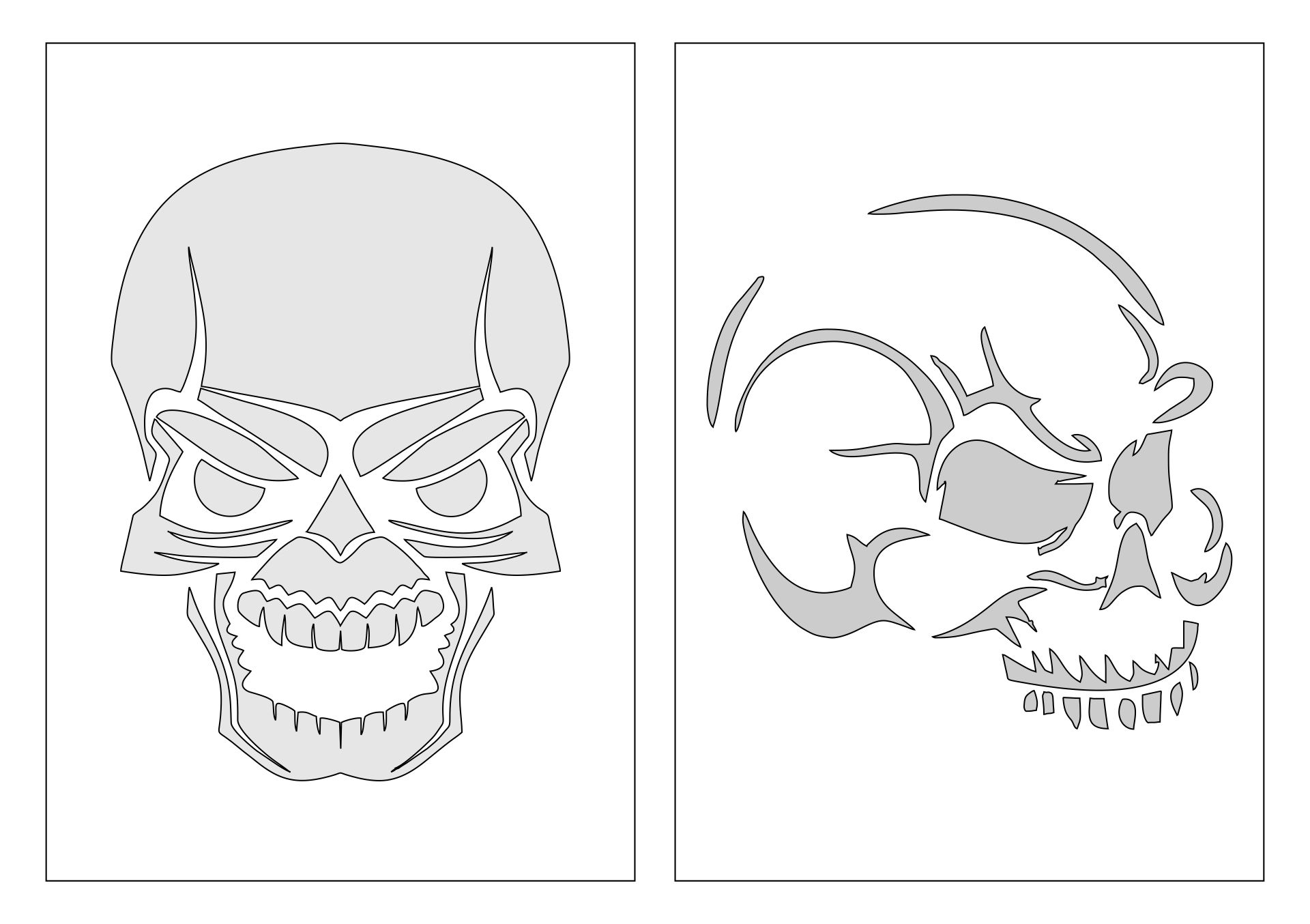
Printable Skull Stencils Printable Free Templates
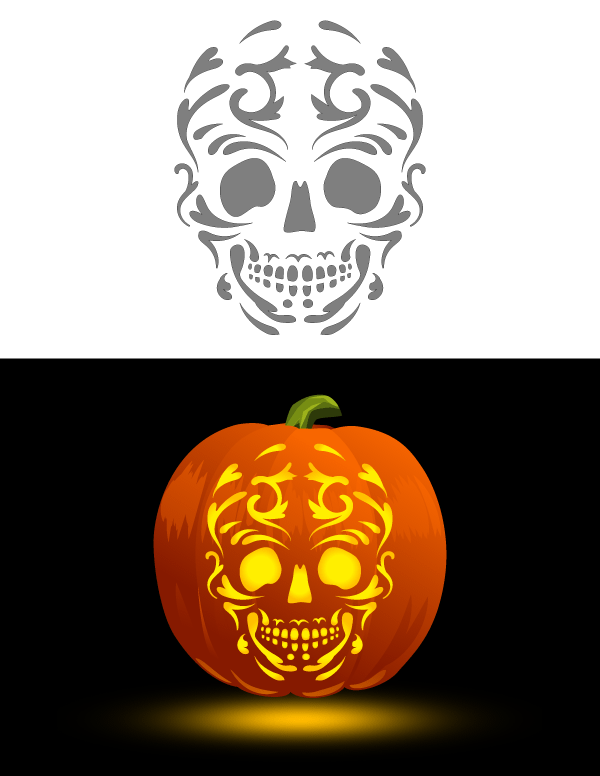
Skull Pumpkin Stencils Printable, Then make the eyes, nose and mouth

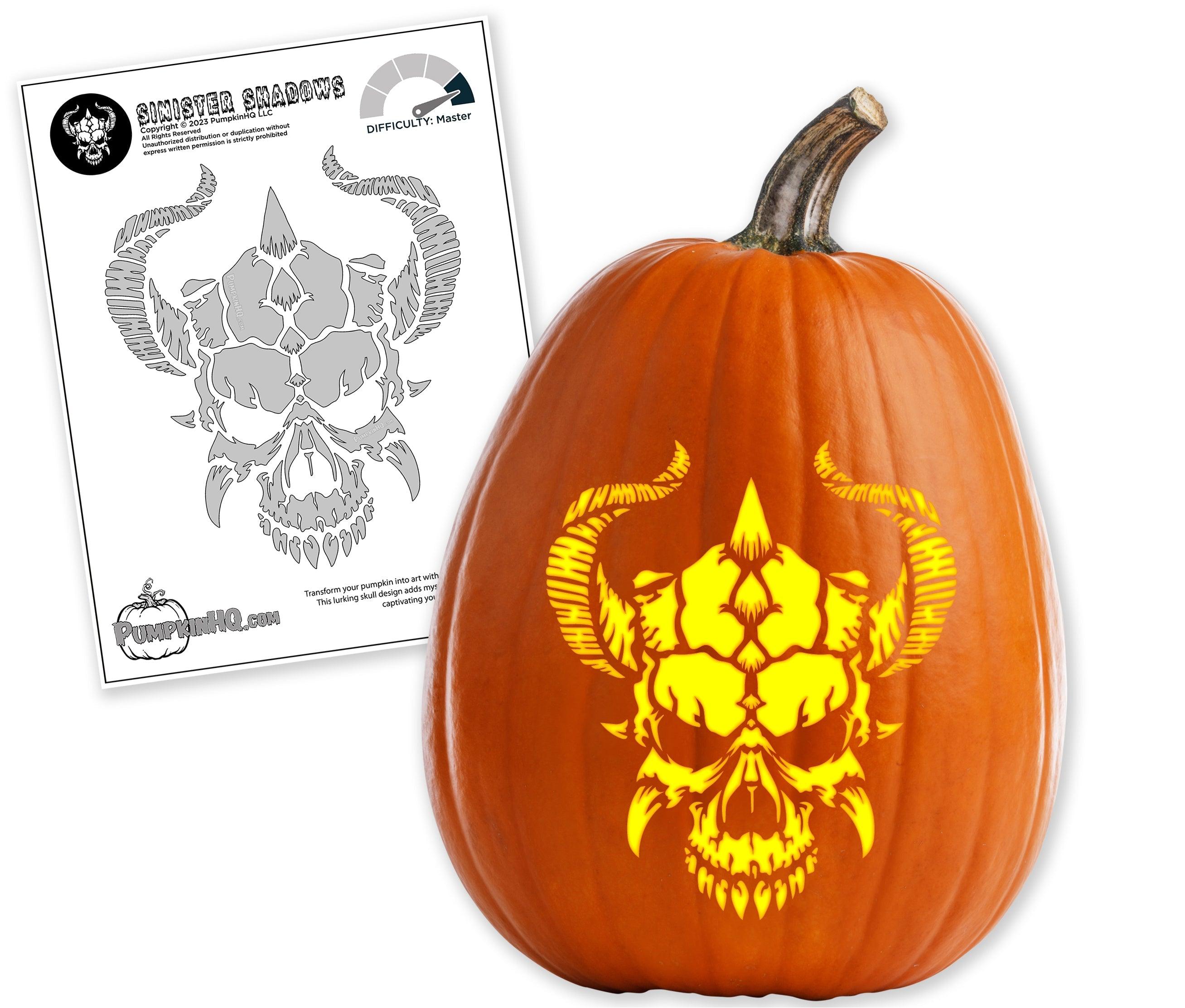
Skull Pumpkin Stencil
Easy Skull Pumpkin Stencils 30 Free Skull Pumpkin Carving Patterns
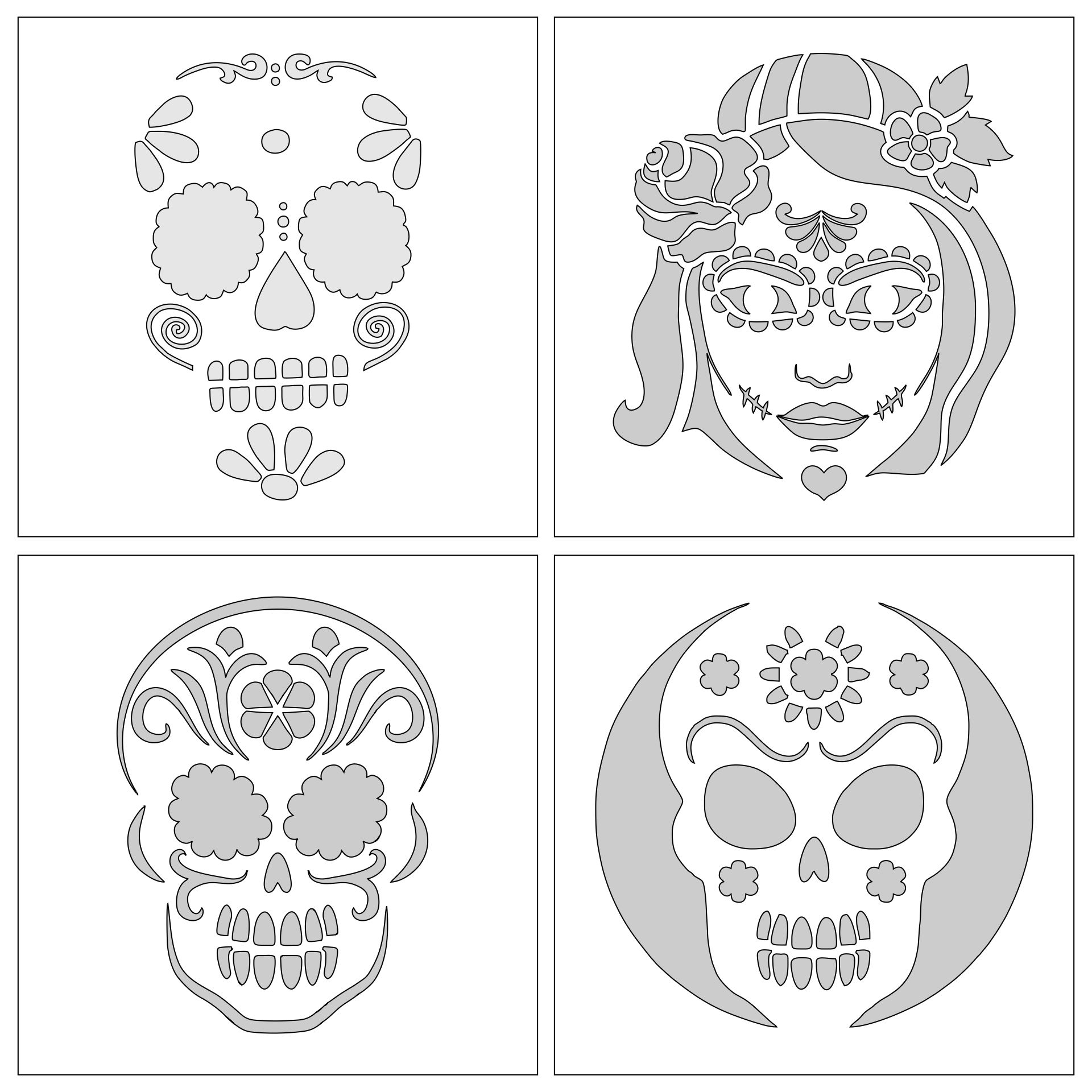
Easy Sugar Skull Pumpkin Stencils



Sugar Skull Pumpkin Stencil Free Printable Papercraft Templates

Pumpkin Carving Templates Skull Printable Holiday Crafts
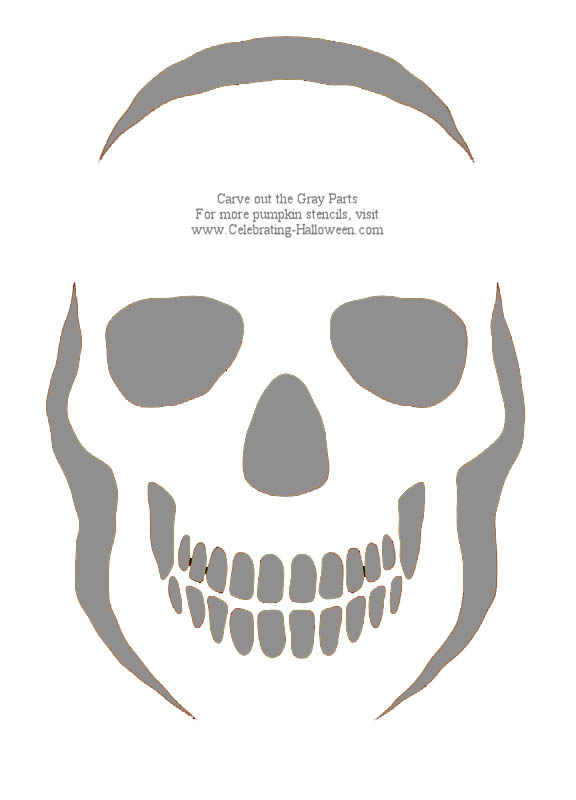
Printable Skull Pumpkin Stencil
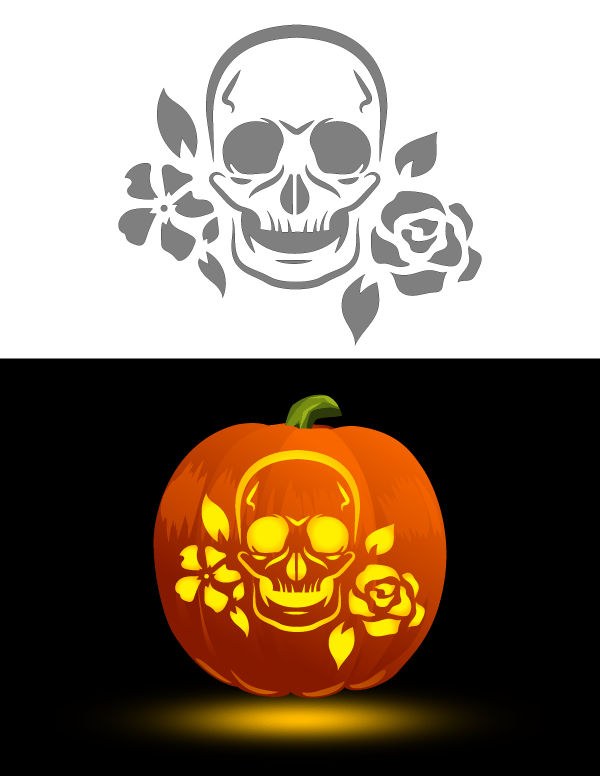
Printable Floral Skull Pumpkin Stencil
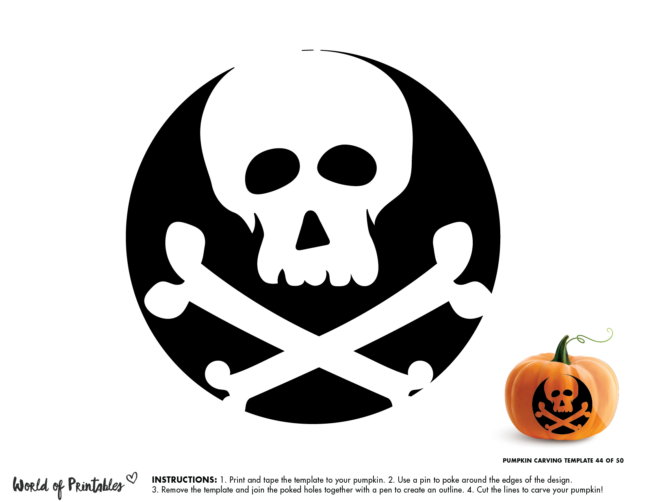
Easy Skull Pumpkin Stencils 30 Free Skull Pumpkin Carving Patterns
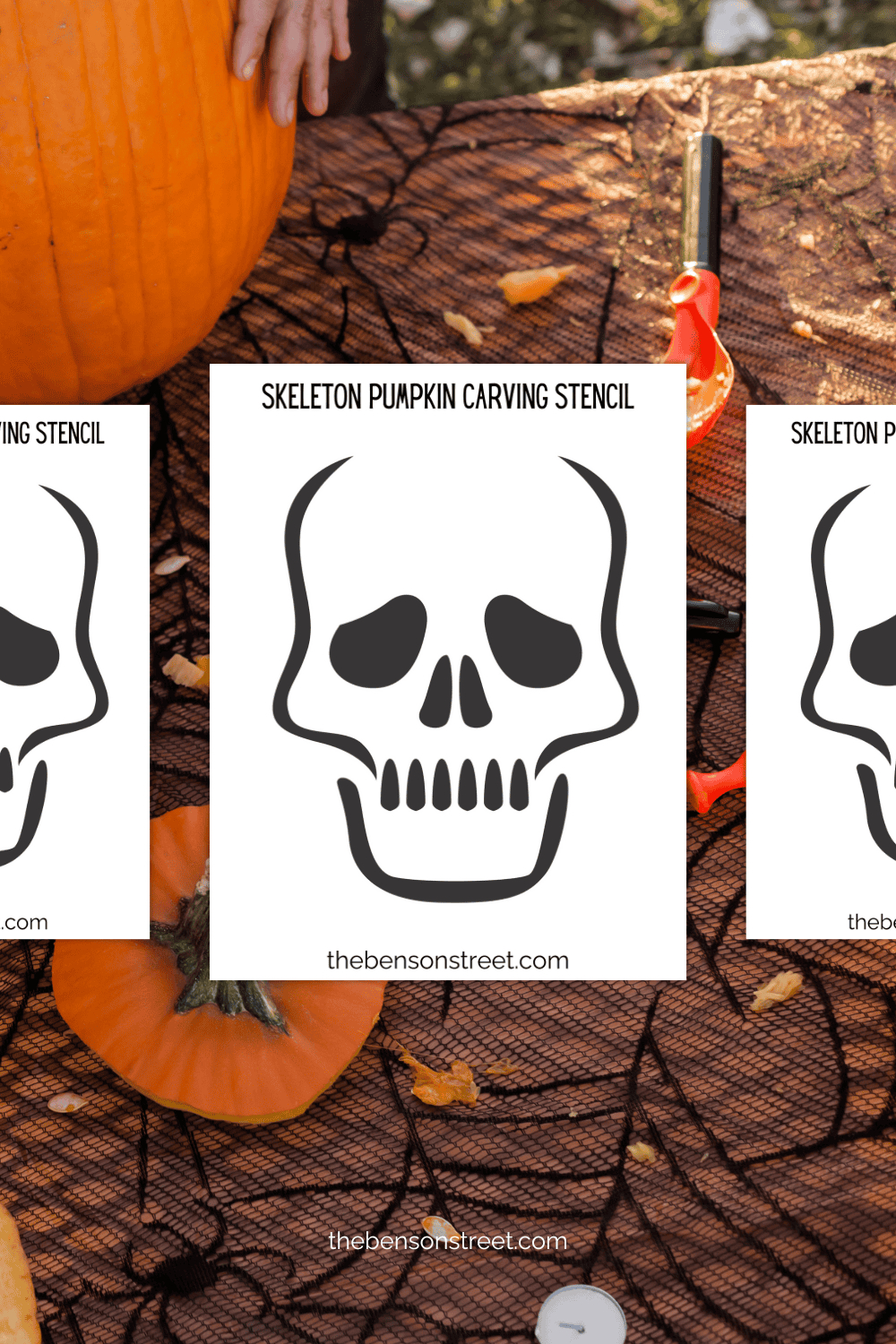
Skull Pumpkin Stencils Printable FREE Printable HQ
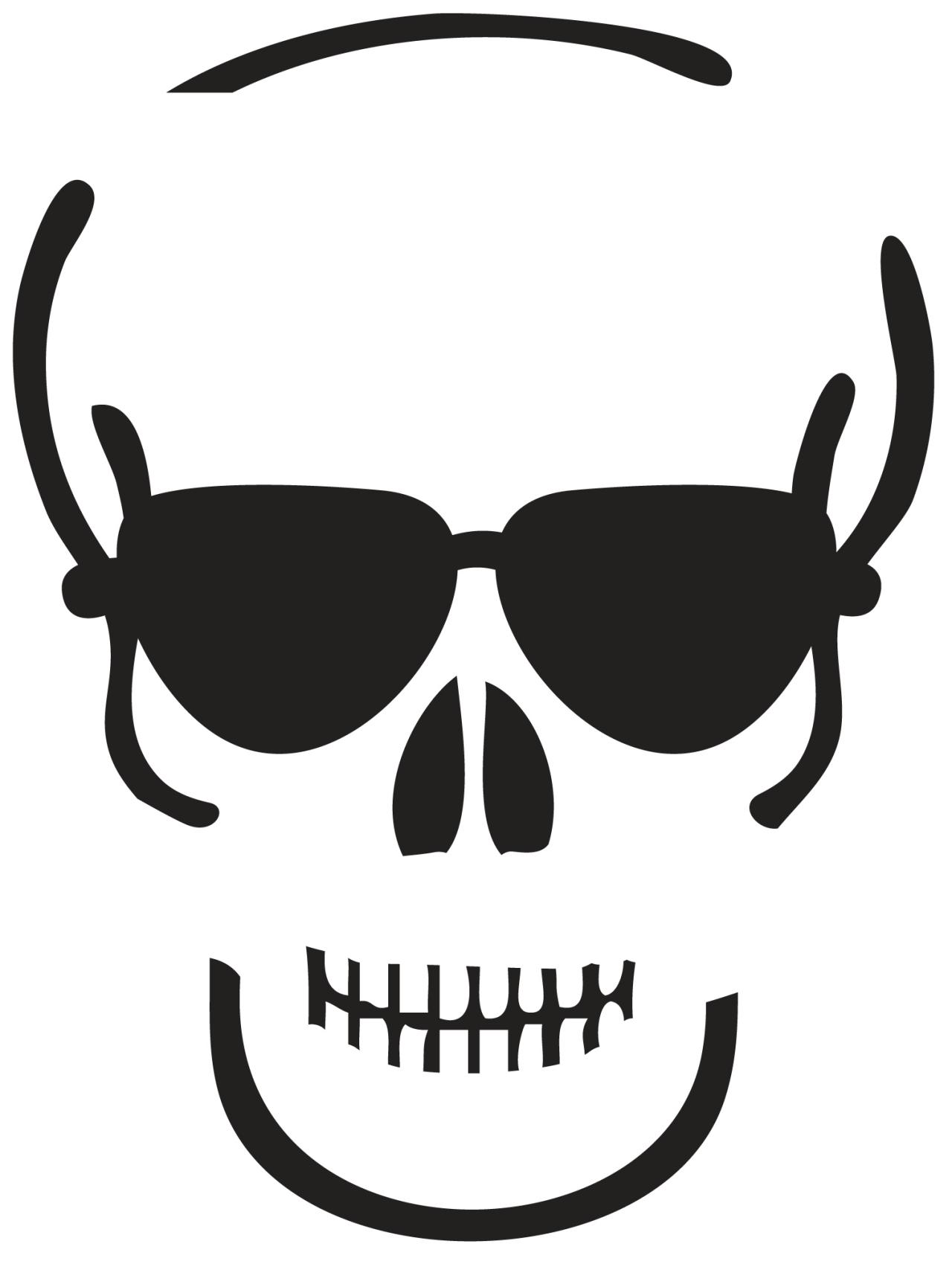
Printable Skull Pumpkin Stencil

Printable Sugar Skull Pumpkin Stencil
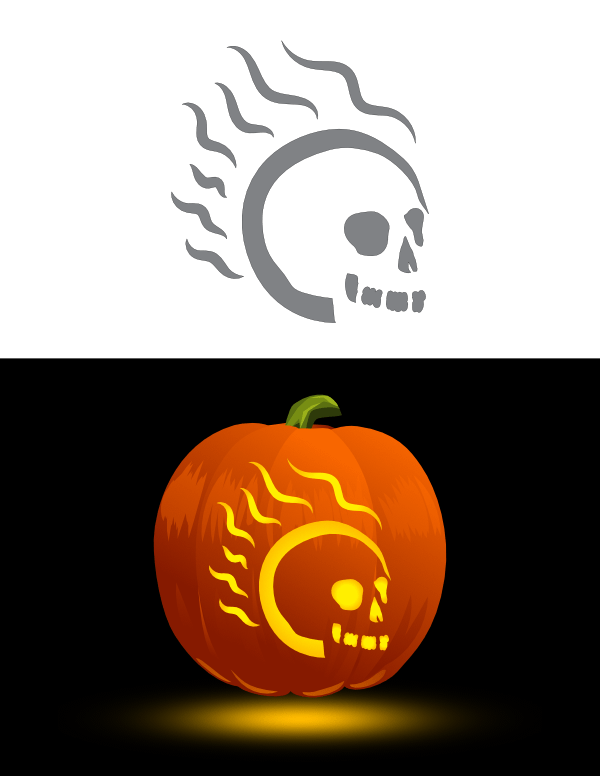
Printable Flaming Skull Pumpkin Stencil


Skull, Skeletal Framework Of The Head Of Vertebrates, Composed Of Bones Or Cartilage, Which Form A Unit That Protects The Brain And Some Sense Organs.
The Skull Is One Of The Most Vital Bony Structures Of The Human Body, As It Houses And Protects The Most Important Organs, Including The Brain.
Related Post: