
The Enzyme Uses Atp To Unwind The Dna Template
The Enzyme Uses Atp To Unwind The Dna Template - Enzymes are proteins that help speed up chemical reactions in our bodies. Enzyme, a catalyst that regulates the rate at which chemical reactions proceed in living organisms without itself being altered in the process. Enzymes are specialized proteins (and in some cases rna molecules) that act as catalysts in living organisms. Too much or too little of a certain enzyme can cause health. [1] enzymes speed up chemical reactions but do not get used while doing so, so they can be used over and over again. Ions are inorganic molecules that loosely bond with the enzyme to ensure it can function. Most critically, enzymes catalyze all aspects of. Enzyme is a repository of information relative to the nomenclature of enzymes. An enzyme is a biological macromolecule, usually a protein, that acts as a biological catalyst, accelerating chemical reactions without being consumed in the process. An enzyme is a protein molecule in cells which works as a biological catalyst. A cell contains thousands of different types of enzyme molecules, each specific to a particular chemical reaction. Most critically, enzymes catalyze all aspects of. Enzyme is a repository of information relative to the nomenclature of enzymes. [1] enzymes speed up chemical reactions but do not get used while doing so, so they can be used over and over again. An. Ions are inorganic molecules that loosely bond with the enzyme to ensure it can function. A cell contains thousands of different types of enzyme molecules, each specific to a particular chemical reaction. Enzymes are essential for digestion, liver function and much more. Enzymes are specialized proteins (and in some cases rna molecules) that act as catalysts in living organisms. Enzymes. An enzyme is a protein molecule in cells which works as a biological catalyst. Most critically, enzymes catalyze all aspects of. Enzyme, a catalyst that regulates the rate at which chemical reactions proceed in living organisms without itself being altered in the process. Enzymes are proteins that help speed up chemical reactions in our bodies. Enzymes are specialized proteins (and. A cell contains thousands of different types of enzyme molecules, each specific to a particular chemical reaction. Enzymes are proteins that help speed up chemical reactions in our bodies. An enzyme is a protein molecule in cells which works as a biological catalyst. Enzymes are specialized proteins (and in some cases rna molecules) that act as catalysts in living organisms.. Enzymes are specialized proteins (and in some cases rna molecules) that act as catalysts in living organisms. [1] enzymes speed up chemical reactions but do not get used while doing so, so they can be used over and over again. Ions are inorganic molecules that loosely bond with the enzyme to ensure it can function. A cell contains thousands of. Enzyme, a catalyst that regulates the rate at which chemical reactions proceed in living organisms without itself being altered in the process. An enzyme is a protein molecule in cells which works as a biological catalyst. They speed up the chemical reactions required for life by lowering the. Ions are inorganic molecules that loosely bond with the enzyme to ensure. Enzymes are proteins that help speed up chemical reactions in our bodies. An enzyme is a protein biomolecule that acts as a biocatalyst by regulating the rate of various metabolic reactions without itself being altered in the process. Enzyme is a repository of information relative to the nomenclature of enzymes. The enzyme is not destroyed during the reaction and is. An enzyme is a protein molecule in cells which works as a biological catalyst. [1] enzymes speed up chemical reactions but do not get used while doing so, so they can be used over and over again. Enzymes are specialized proteins (and in some cases rna molecules) that act as catalysts in living organisms. Enzymes are proteins that help speed. Most critically, enzymes catalyze all aspects of. An enzyme is a biological macromolecule, usually a protein, that acts as a biological catalyst, accelerating chemical reactions without being consumed in the process. A cell contains thousands of different types of enzyme molecules, each specific to a particular chemical reaction. The enzyme is not destroyed during the reaction and is used over. They speed up the chemical reactions required for life by lowering the. [1] enzymes speed up chemical reactions but do not get used while doing so, so they can be used over and over again. Enzyme, a catalyst that regulates the rate at which chemical reactions proceed in living organisms without itself being altered in the process. An enzyme is. [1] enzymes speed up chemical reactions but do not get used while doing so, so they can be used over and over again. Enzymes are essential for digestion, liver function and much more. An enzyme is a protein molecule in cells which works as a biological catalyst. They speed up the chemical reactions required for life by lowering the. Enzyme. Most critically, enzymes catalyze all aspects of. Ions are inorganic molecules that loosely bond with the enzyme to ensure it can function. Enzyme, a catalyst that regulates the rate at which chemical reactions proceed in living organisms without itself being altered in the process. An enzyme is a protein molecule in cells which works as a biological catalyst. A cell. Enzyme is a repository of information relative to the nomenclature of enzymes. Enzyme, a catalyst that regulates the rate at which chemical reactions proceed in living organisms without itself being altered in the process. [1] enzymes speed up chemical reactions but do not get used while doing so, so they can be used over and over again. Ions are inorganic. Enzymes are specialized proteins (and in some cases rna molecules) that act as catalysts in living organisms. Enzyme is a repository of information relative to the nomenclature of enzymes. Too much or too little of a certain enzyme can cause health. Enzymes are essential for digestion, liver function and much more. An enzyme is a biological macromolecule, usually a protein,. By contrast, coenzymes are organic molecules that also loosely bond with and allow an enzyme to. [1] enzymes speed up chemical reactions but do not get used while doing so, so they can be used over and over again. They speed up the chemical reactions required for life by lowering the. An enzyme is a protein biomolecule that acts as. Enzymes are proteins that help speed up chemical reactions in our bodies. [1] enzymes speed up chemical reactions but do not get used while doing so, so they can be used over and over again. Enzymes are specialized proteins (and in some cases rna molecules) that act as catalysts in living organisms. Enzymes are essential for digestion, liver function and. Enzymes are proteins that help speed up chemical reactions in our bodies. Enzyme is a repository of information relative to the nomenclature of enzymes. They speed up the chemical reactions required for life by lowering the. Enzymes are specialized proteins (and in some cases rna molecules) that act as catalysts in living organisms. Enzyme, a catalyst that regulates the rate. [1] enzymes speed up chemical reactions but do not get used while doing so, so they can be used over and over again. Enzyme, a catalyst that regulates the rate at which chemical reactions proceed in living organisms without itself being altered in the process. The enzyme is not destroyed during the reaction and is used over and over. Enzymes. Enzymes are proteins that help speed up chemical reactions in our bodies. Enzyme, a catalyst that regulates the rate at which chemical reactions proceed in living organisms without itself being altered in the process. Enzymes are specialized proteins (and in some cases rna molecules) that act as catalysts in living organisms. Enzyme is a repository of information relative to the. They speed up the chemical reactions required for life by lowering the. Enzyme, a catalyst that regulates the rate at which chemical reactions proceed in living organisms without itself being altered in the process. A cell contains thousands of different types of enzyme molecules, each specific to a particular chemical reaction. Enzymes are specialized proteins (and in some cases rna. Enzymes are essential for digestion, liver function and much more. Most critically, enzymes catalyze all aspects of. The enzyme is not destroyed during the reaction and is used over and over. Too much or too little of a certain enzyme can cause health. Ions are inorganic molecules that loosely bond with the enzyme to ensure it can function. The enzyme is not destroyed during the reaction and is used over and over. Enzymes are proteins that help speed up chemical reactions in our bodies. Enzyme, a catalyst that regulates the rate at which chemical reactions proceed in living organisms without itself being altered in the process. An enzyme is a biological macromolecule, usually a protein, that acts as. A cell contains thousands of different types of enzyme molecules, each specific to a particular chemical reaction. They speed up the chemical reactions required for life by lowering the. Too much or too little of a certain enzyme can cause health. An enzyme is a biological macromolecule, usually a protein, that acts as a biological catalyst, accelerating chemical reactions without. By contrast, coenzymes are organic molecules that also loosely bond with and allow an enzyme to. An enzyme is a protein molecule in cells which works as a biological catalyst. Too much or too little of a certain enzyme can cause health. Most critically, enzymes catalyze all aspects of. An enzyme is a biological macromolecule, usually a protein, that acts. An enzyme is a protein biomolecule that acts as a biocatalyst by regulating the rate of various metabolic reactions without itself being altered in the process. Most critically, enzymes catalyze all aspects of. They speed up the chemical reactions required for life by lowering the. [1] enzymes speed up chemical reactions but do not get used while doing so, so. Most critically, enzymes catalyze all aspects of. Ions are inorganic molecules that loosely bond with the enzyme to ensure it can function. Enzymes are proteins that help speed up chemical reactions in our bodies. Enzyme, a catalyst that regulates the rate at which chemical reactions proceed in living organisms without itself being altered in the process. They speed up the. Enzyme is a repository of information relative to the nomenclature of enzymes. [1] enzymes speed up chemical reactions but do not get used while doing so, so they can be used over and over again. A cell contains thousands of different types of enzyme molecules, each specific to a particular chemical reaction. Enzymes are proteins that help speed up chemical. Enzyme is a repository of information relative to the nomenclature of enzymes. Enzymes are proteins that help speed up chemical reactions in our bodies. A cell contains thousands of different types of enzyme molecules, each specific to a particular chemical reaction. An enzyme is a biological macromolecule, usually a protein, that acts as a biological catalyst, accelerating chemical reactions without. Enzymes are specialized proteins (and in some cases rna molecules) that act as catalysts in living organisms. The enzyme is not destroyed during the reaction and is used over and over. Enzymes are proteins that help speed up chemical reactions in our bodies. An enzyme is a protein molecule in cells which works as a biological catalyst. An enzyme is. Too much or too little of a certain enzyme can cause health. Most critically, enzymes catalyze all aspects of. Enzyme, a catalyst that regulates the rate at which chemical reactions proceed in living organisms without itself being altered in the process. The enzyme is not destroyed during the reaction and is used over and over. They speed up the chemical. [1] enzymes speed up chemical reactions but do not get used while doing so, so they can be used over and over again. Enzyme, a catalyst that regulates the rate at which chemical reactions proceed in living organisms without itself being altered in the process. The enzyme is not destroyed during the reaction and is used over and over. A. Enzymes are proteins that help speed up chemical reactions in our bodies. Ions are inorganic molecules that loosely bond with the enzyme to ensure it can function. An enzyme is a protein molecule in cells which works as a biological catalyst. Enzymes are specialized proteins (and in some cases rna molecules) that act as catalysts in living organisms. [1] enzymes. Enzyme, a catalyst that regulates the rate at which chemical reactions proceed in living organisms without itself being altered in the process. A cell contains thousands of different types of enzyme molecules, each specific to a particular chemical reaction. The enzyme is not destroyed during the reaction and is used over and over. An enzyme is a protein molecule in. Enzymes are essential for digestion, liver function and much more. The enzyme is not destroyed during the reaction and is used over and over. Enzyme is a repository of information relative to the nomenclature of enzymes. Enzymes are proteins that help speed up chemical reactions in our bodies. They speed up the chemical reactions required for life by lowering the. Enzyme is a repository of information relative to the nomenclature of enzymes. [1] enzymes speed up chemical reactions but do not get used while doing so, so they can be used over and over again. They speed up the chemical reactions required for life by lowering the. Too much or too little of a certain enzyme can cause health. Enzymes. Enzymes are specialized proteins (and in some cases rna molecules) that act as catalysts in living organisms. Most critically, enzymes catalyze all aspects of. Too much or too little of a certain enzyme can cause health. Enzymes are essential for digestion, liver function and much more. By contrast, coenzymes are organic molecules that also loosely bond with and allow an enzyme to. They speed up the chemical reactions required for life by lowering the. A cell contains thousands of different types of enzyme molecules, each specific to a particular chemical reaction. The enzyme is not destroyed during the reaction and is used over and over. [1] enzymes speed up chemical reactions but do not get used while doing so, so they can be used over and over again. An enzyme is a protein molecule in cells which works as a biological catalyst. An enzyme is a protein biomolecule that acts as a biocatalyst by regulating the rate of various metabolic reactions without itself being altered in the process. An enzyme is a biological macromolecule, usually a protein, that acts as a biological catalyst, accelerating chemical reactions without being consumed in the process.
The Enzyme Uses Atp To Unwind The Dna Template
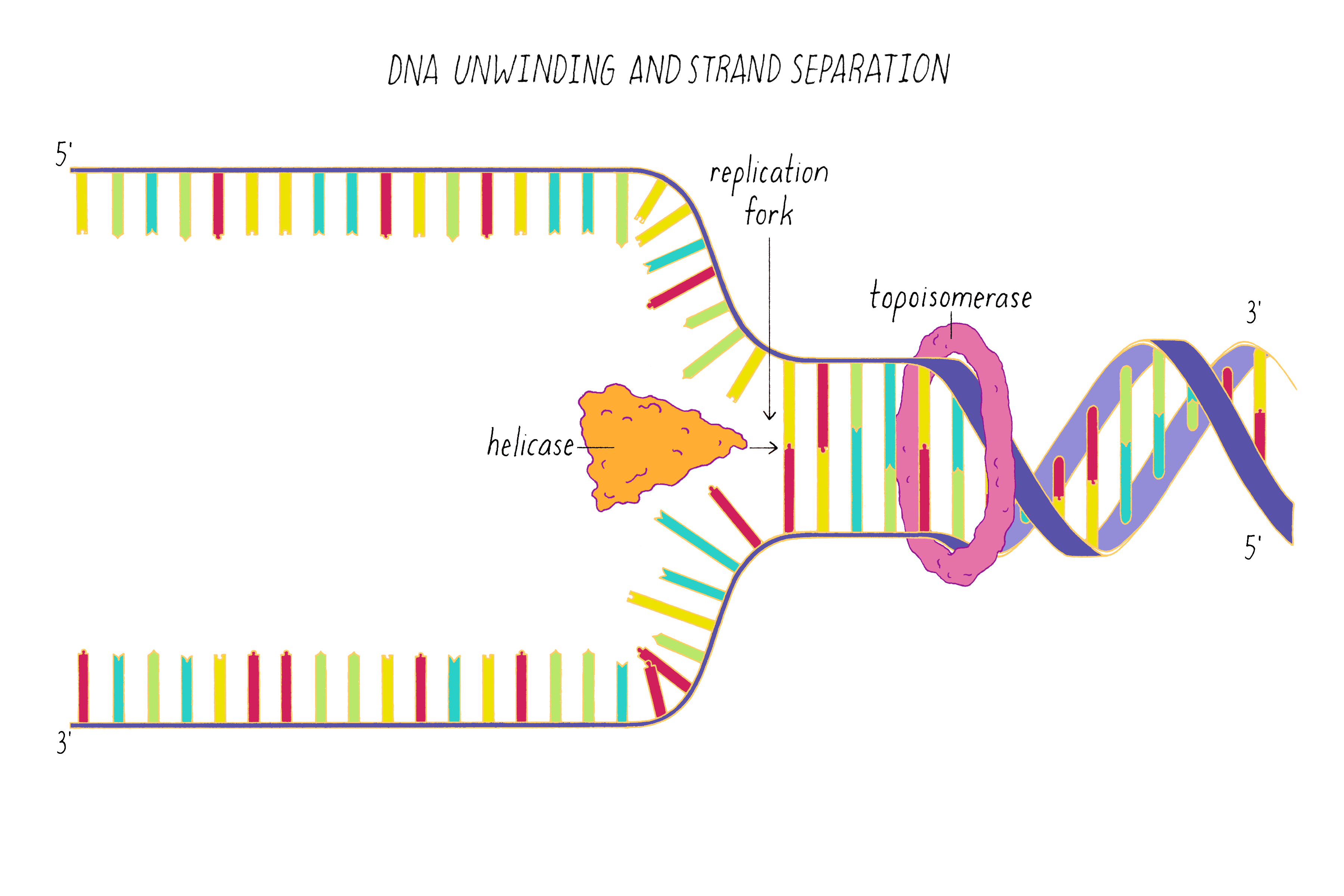
The Structure of DNA by Ron Vale
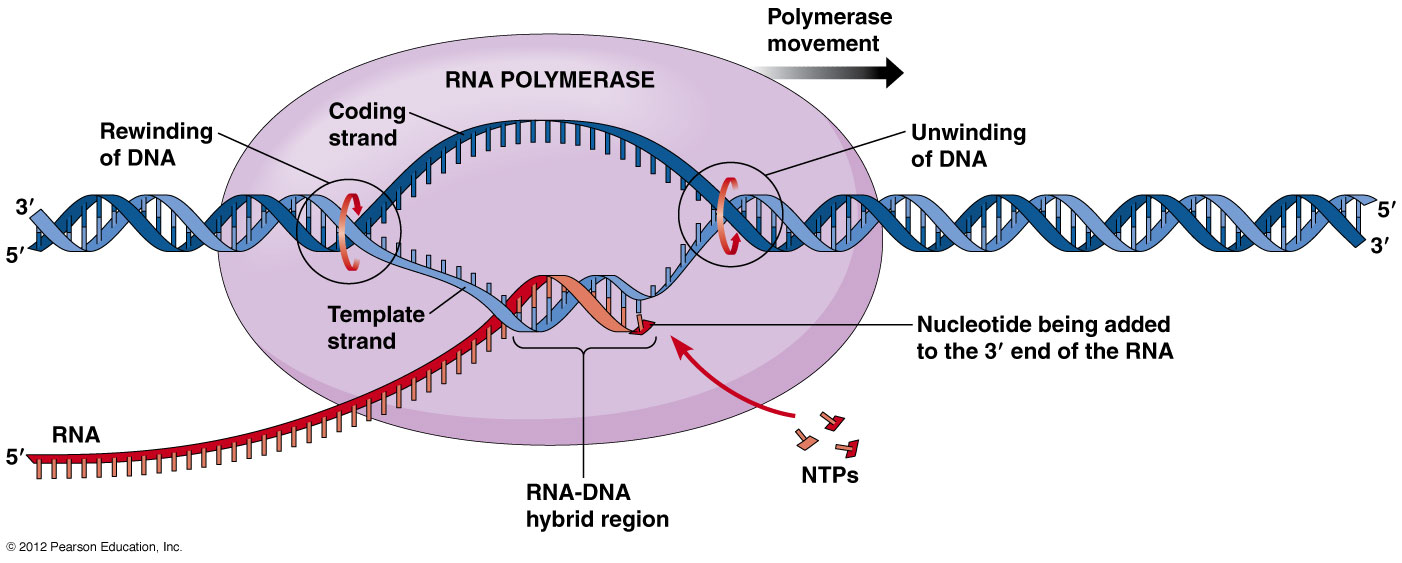
Transcription in Prokaryotes Online Biology Notes
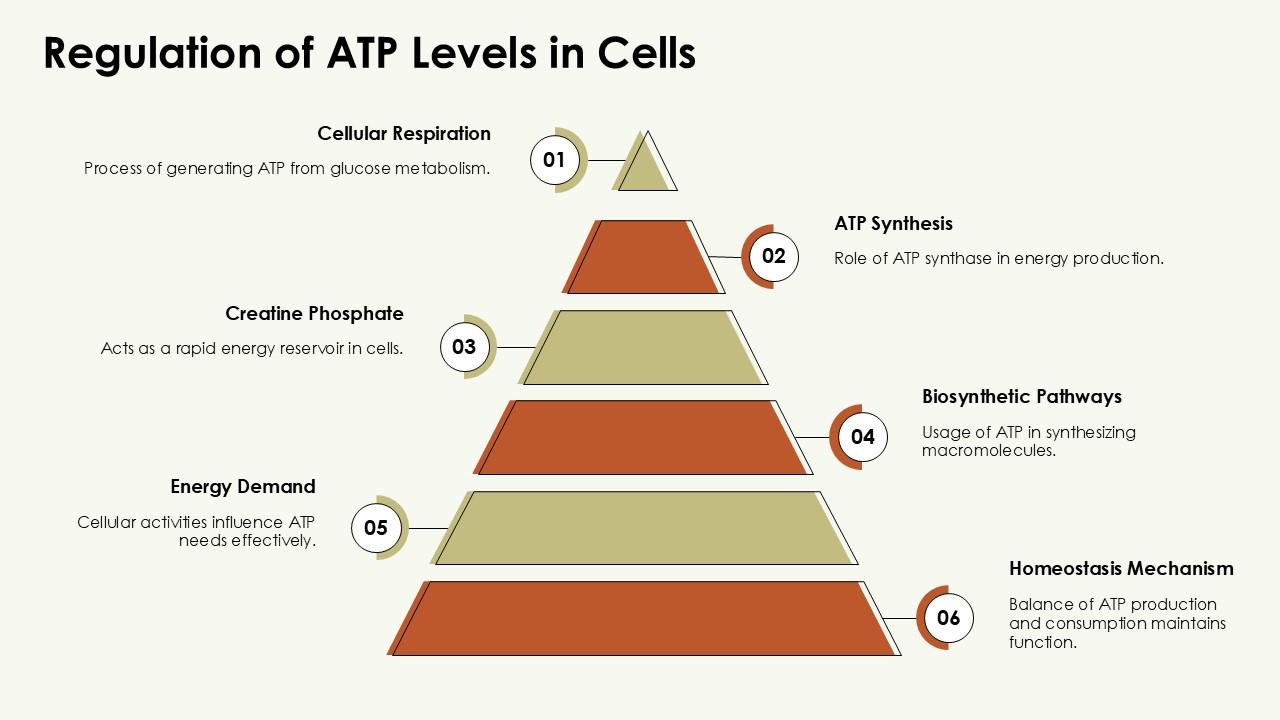
Atp Enzyme PPT Template ACP PPT Slide
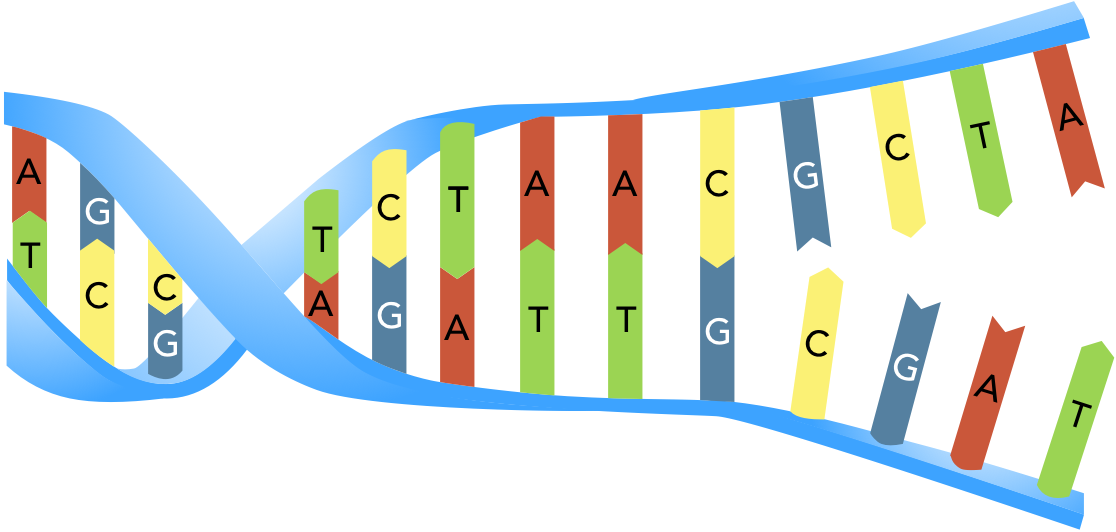
DNA Introduction
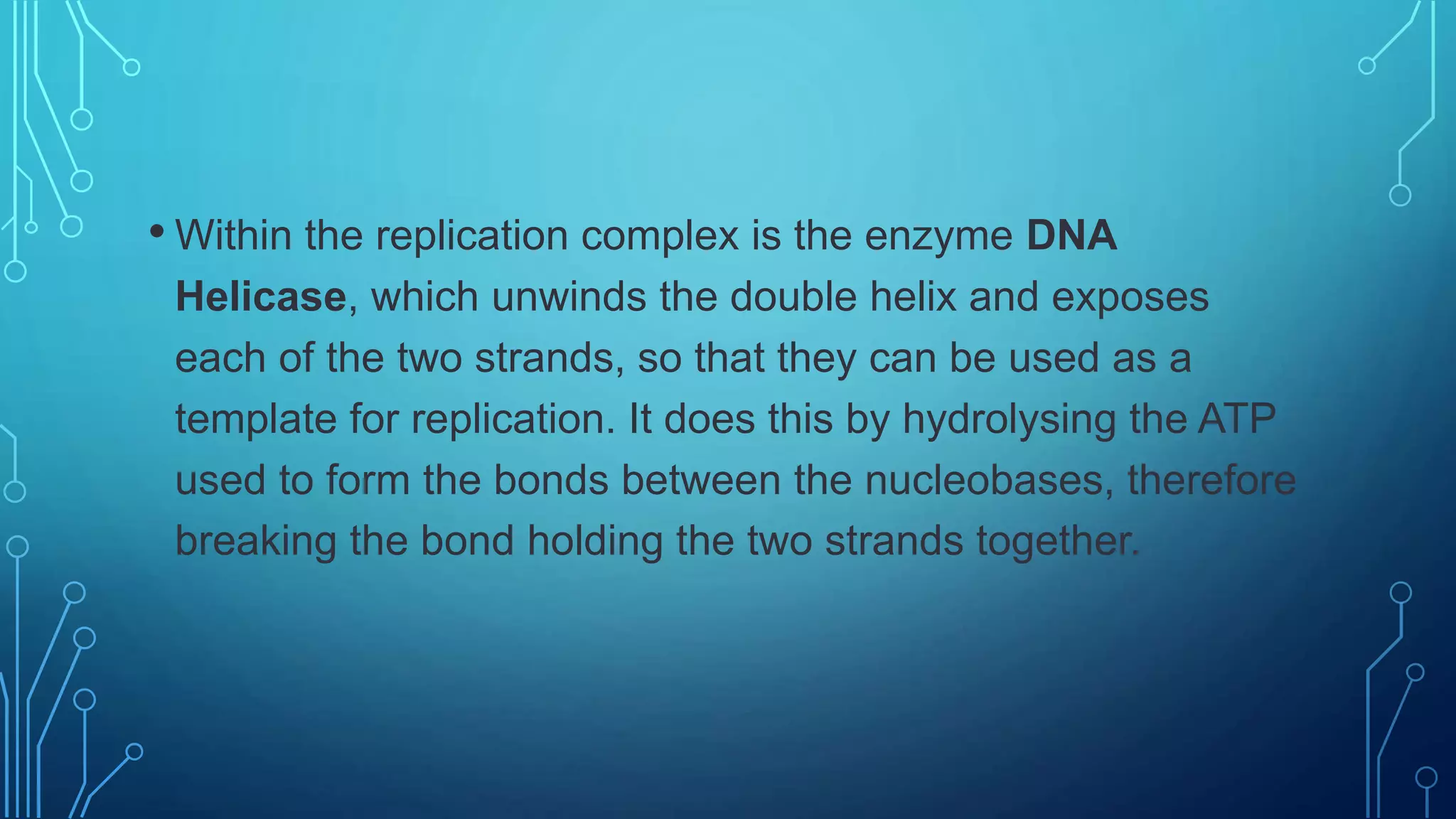
Mechanism of dna replication PPTX
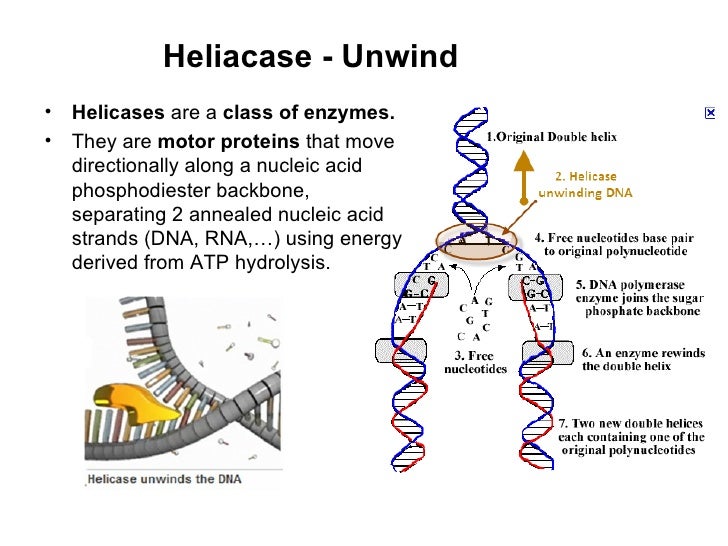
The Enzyme Uses Atp To Unwind The Dna Template
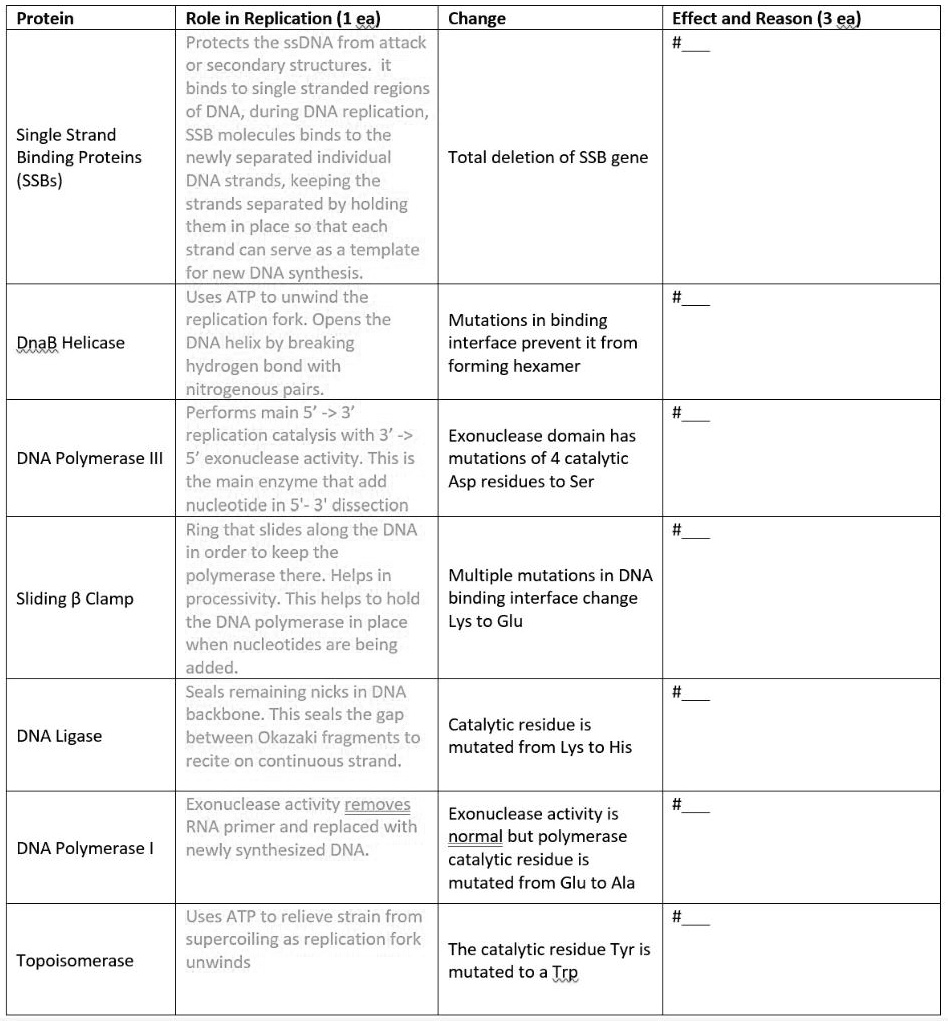
SOLVED Based on each mutation/change within an enzyme, using the
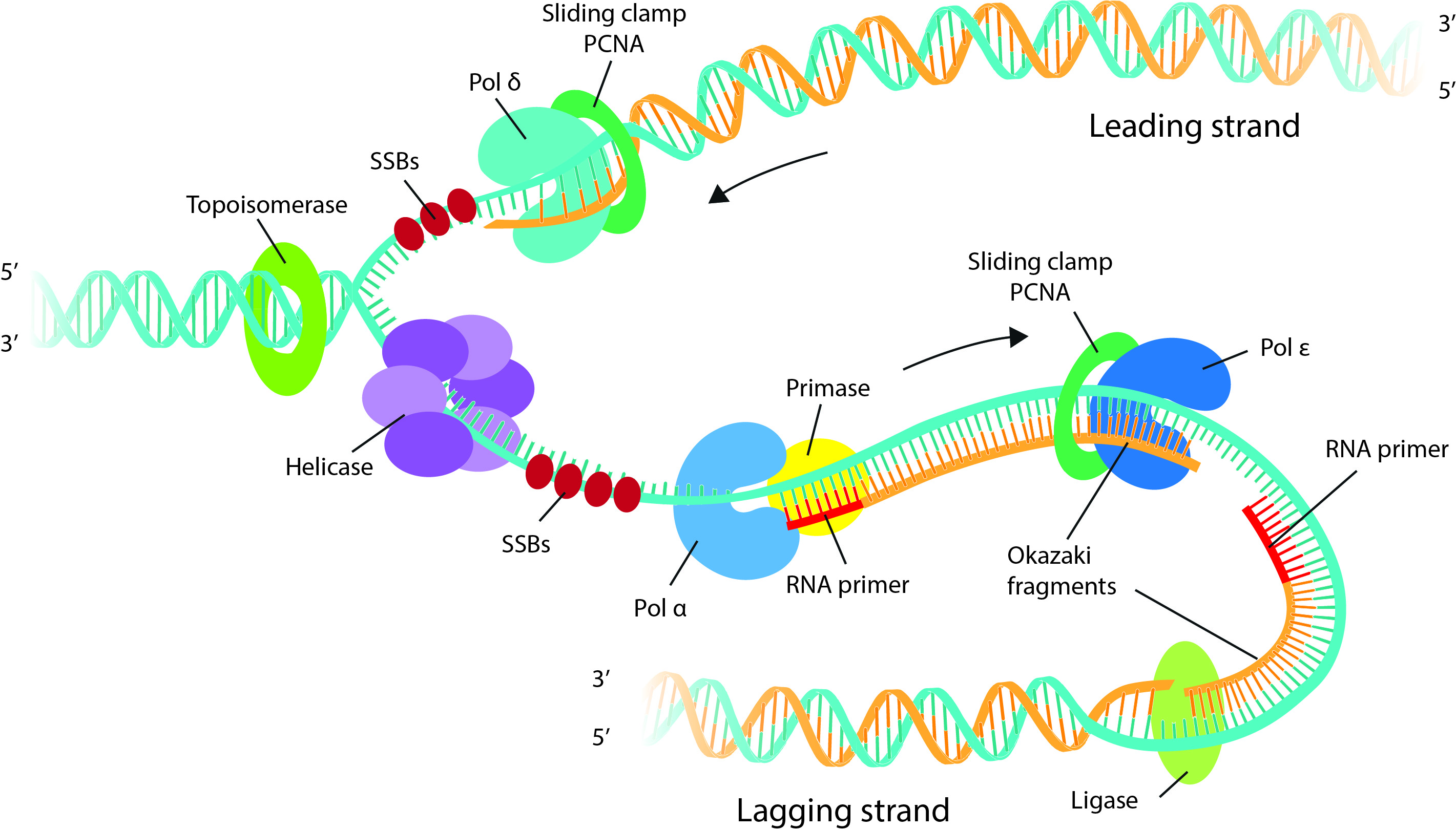
Which Enzyme Makes Dna From An Rna Template

Exploring The Interplay Dna, Proteins, Enzymes, And Atp MedShun

Understanding DNA Replication An Illustrated Guide
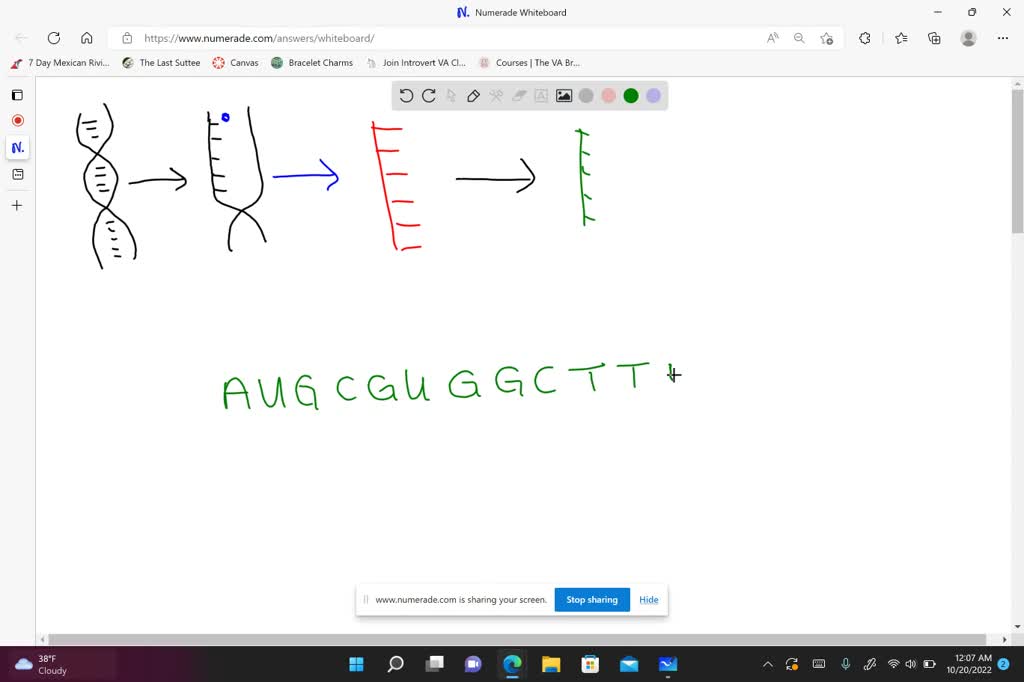
SOLVED Place the steps for the formation of the enzyme pepsinogen in
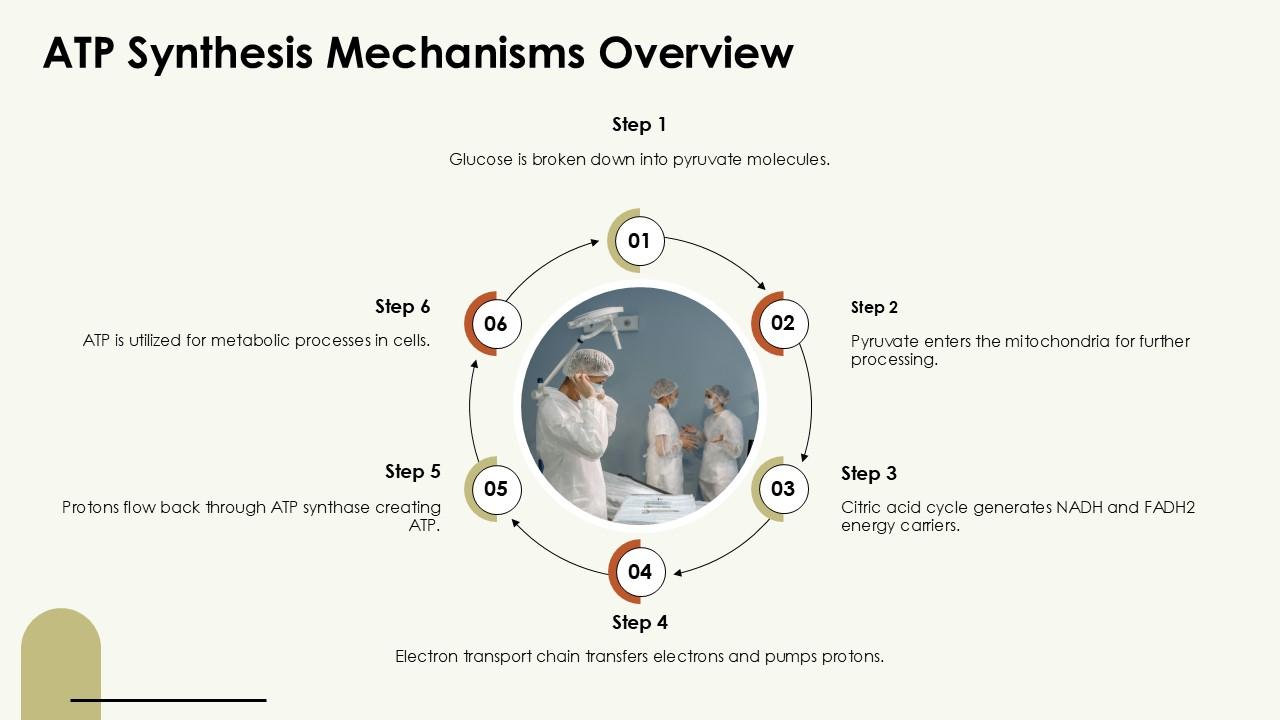
Atp Enzyme PPT Template ACP PPT Slide
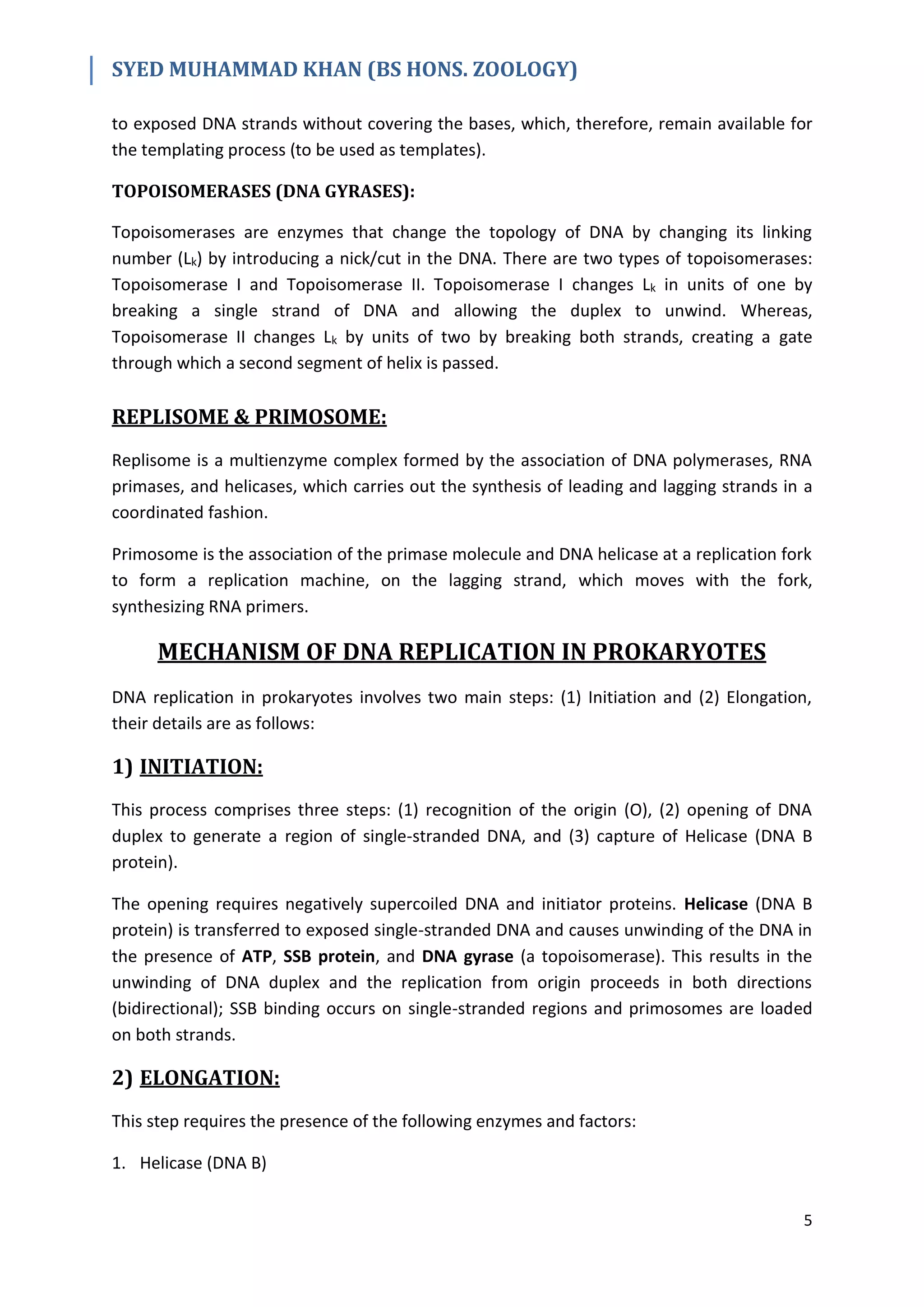
DNA Replication in Prokaryotes PDF
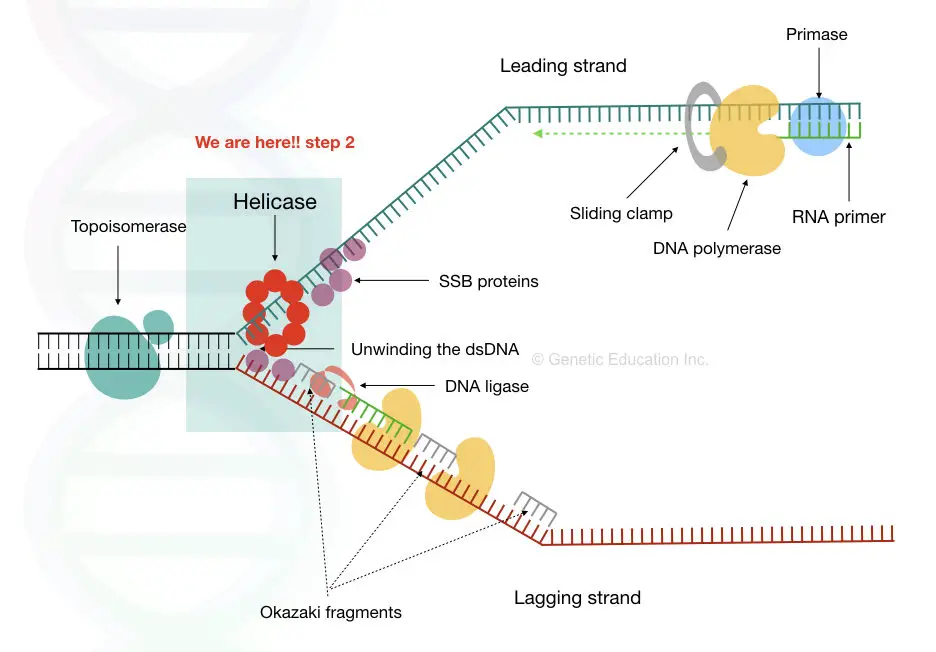
The Enzyme Uses Atp To Unwind The Dna Template
.PNG)
What Are The Enzymes Involved In Dna Replication at Justin Finn blog
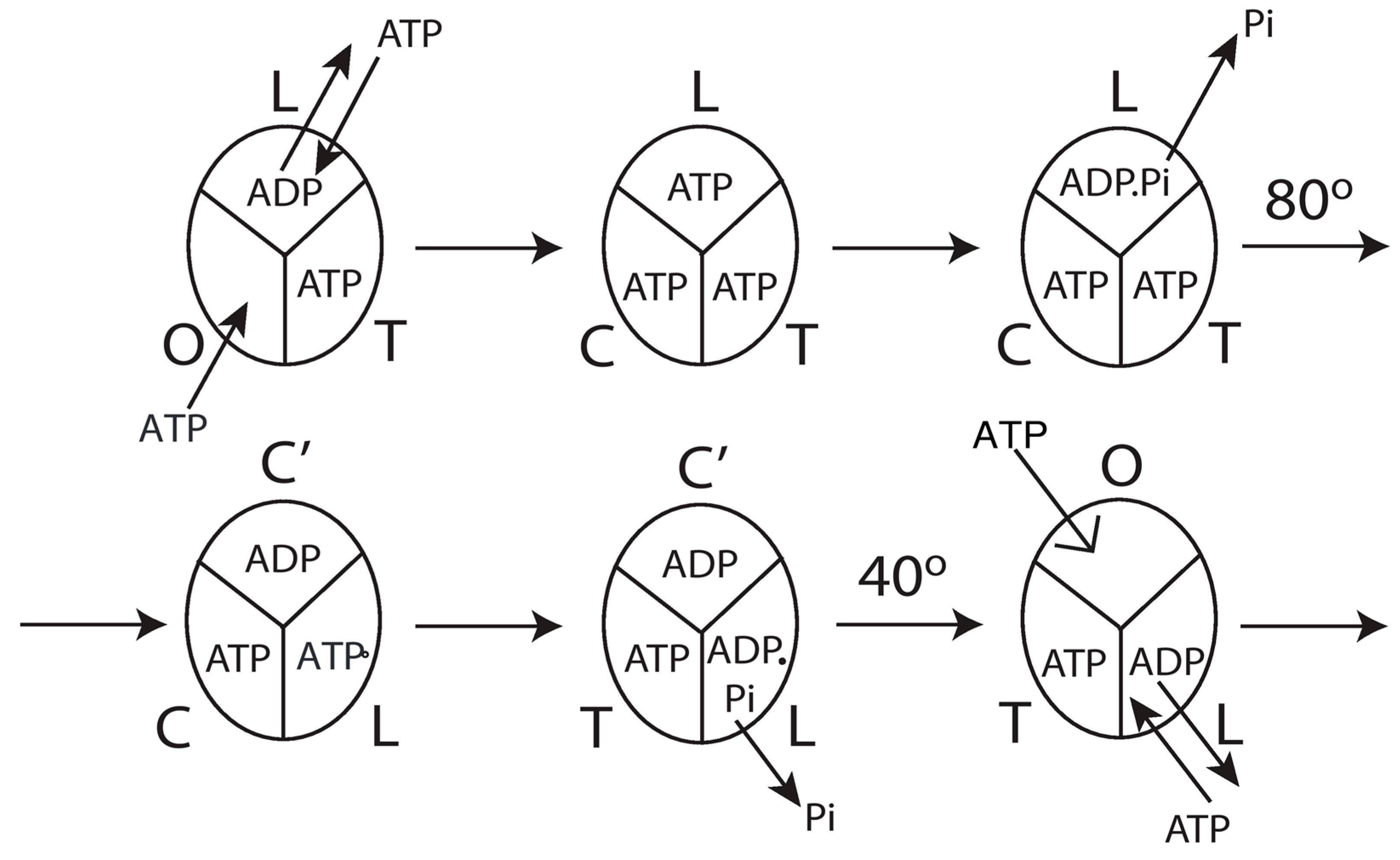
Atp Hydrolysis Enzyme
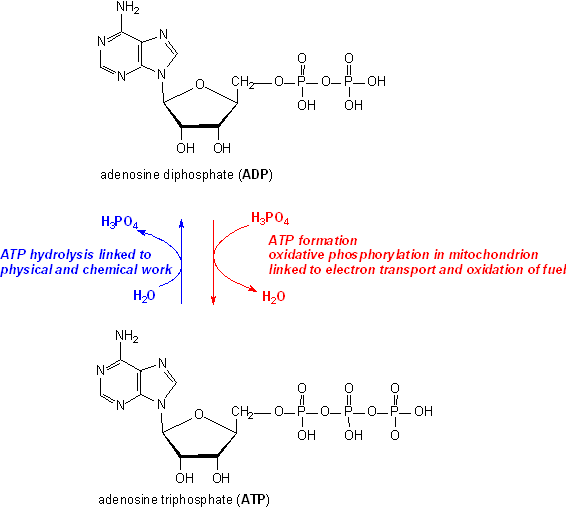
The Enzyme Uses Atp To Unwind The Dna Template
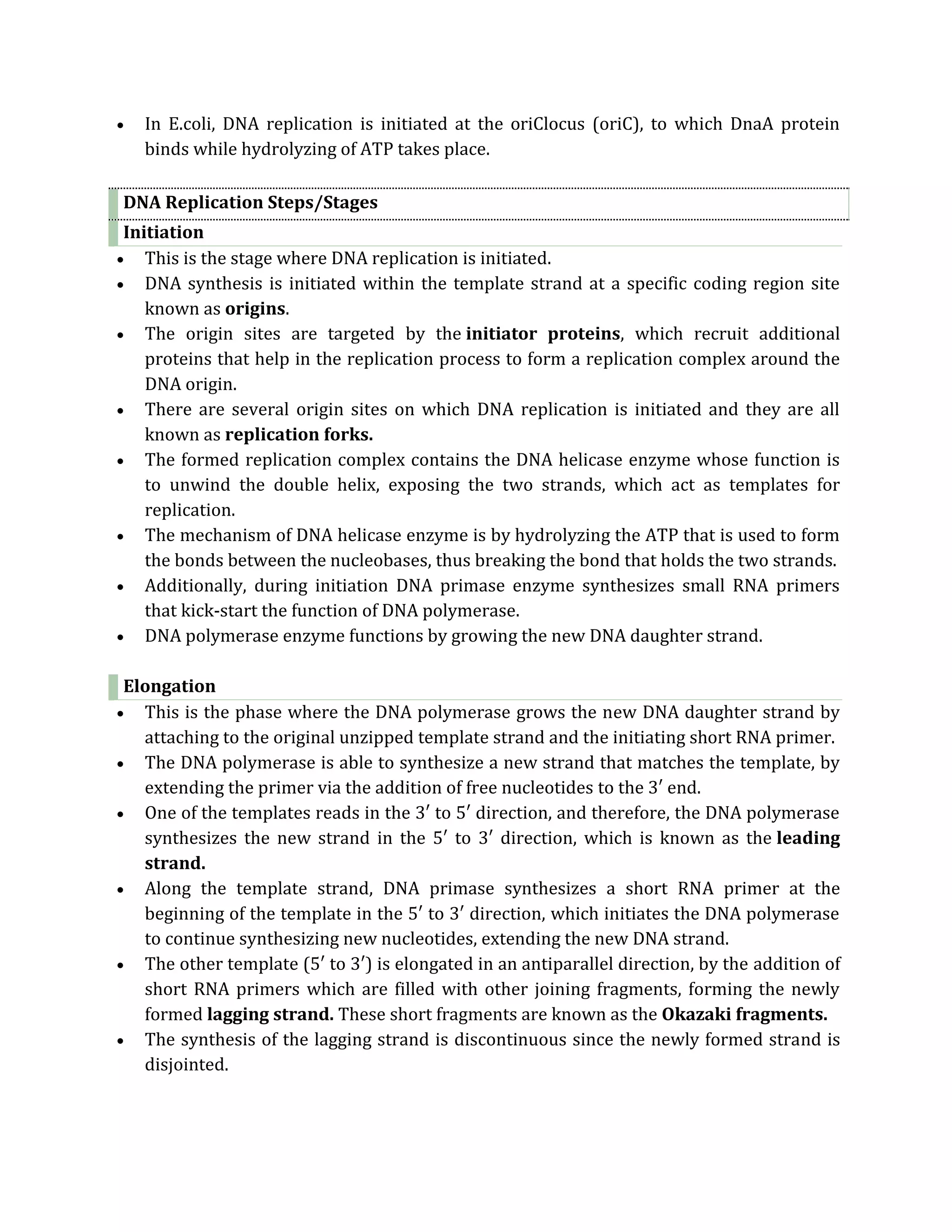
DNA REPLICATION PDF

Atp Enzyme PPT Template ACP PPT Slide
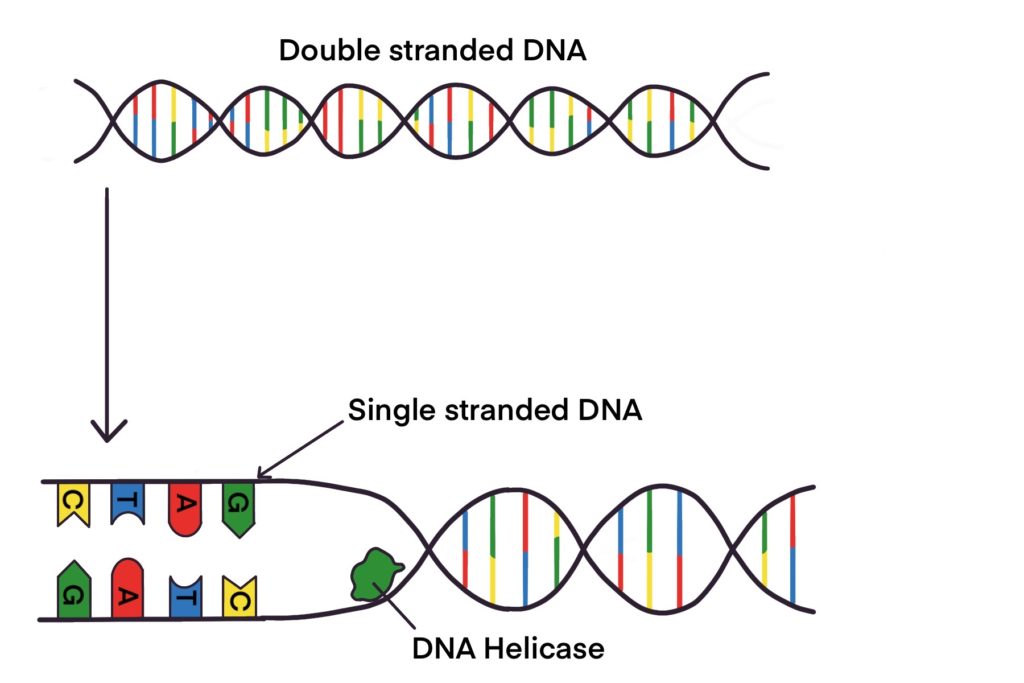
The Enzyme Uses Atp To Unwind The Dna Template
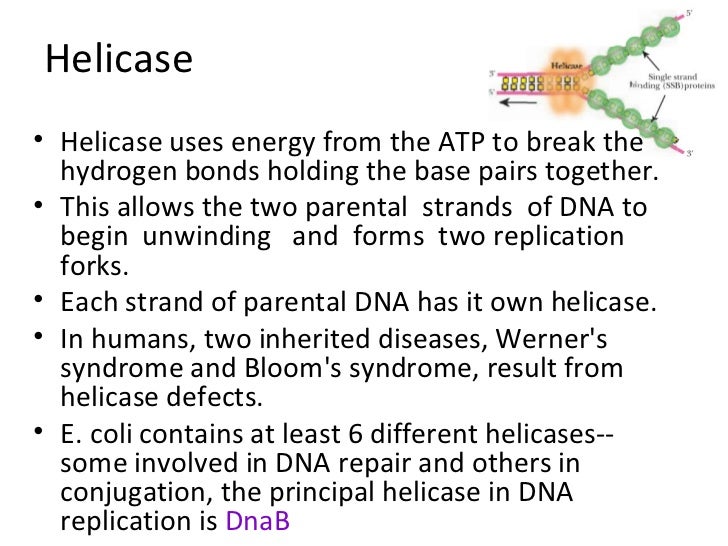
The Enzyme Uses Atp To Unwind The Dna Template

The Enzyme Uses Atp To Unwind The Dna Template

Unwind Dna

Unit DNA and RNA ppt download

Atp Hydrolysis Enzyme

The Enzyme Uses Atp To Unwind The Dna Template
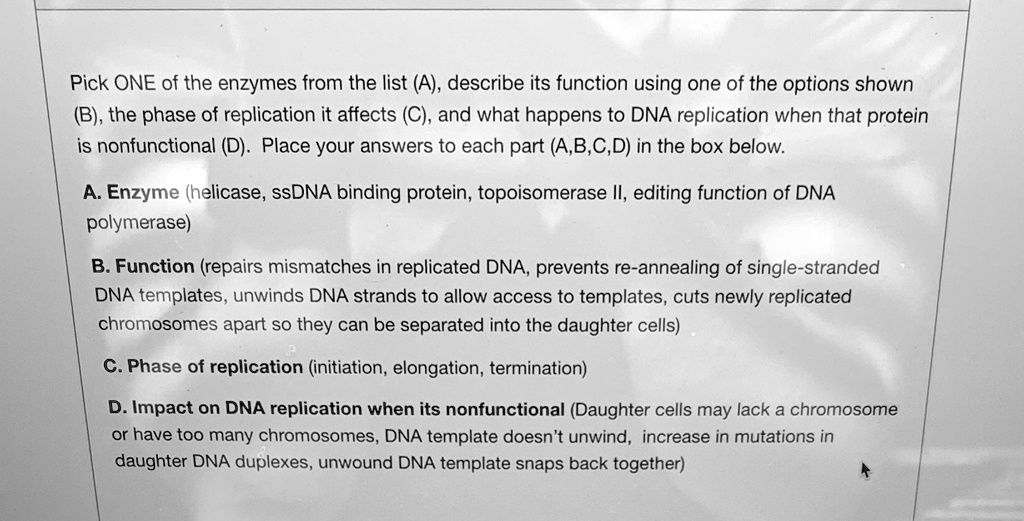
Pick ONE of the enzymes from the list (A), describe its function using
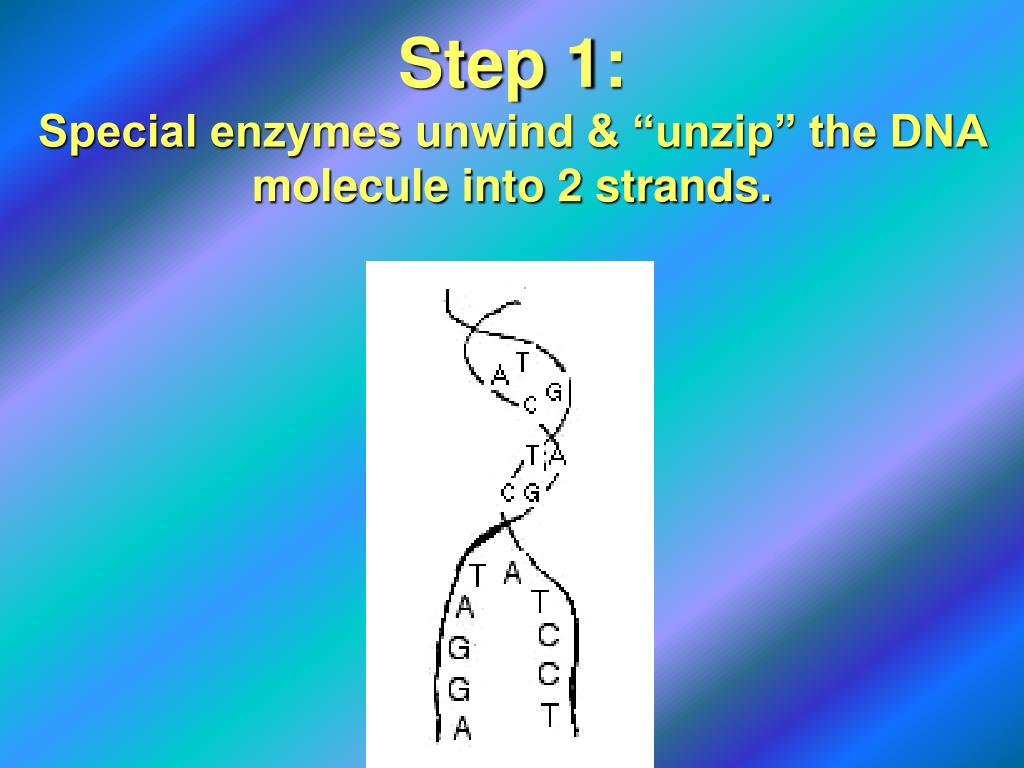
PPT Understanding DNA Replication Process PowerPoint Presentation

Atp Enzyme PPT Template ACP PPT Slide
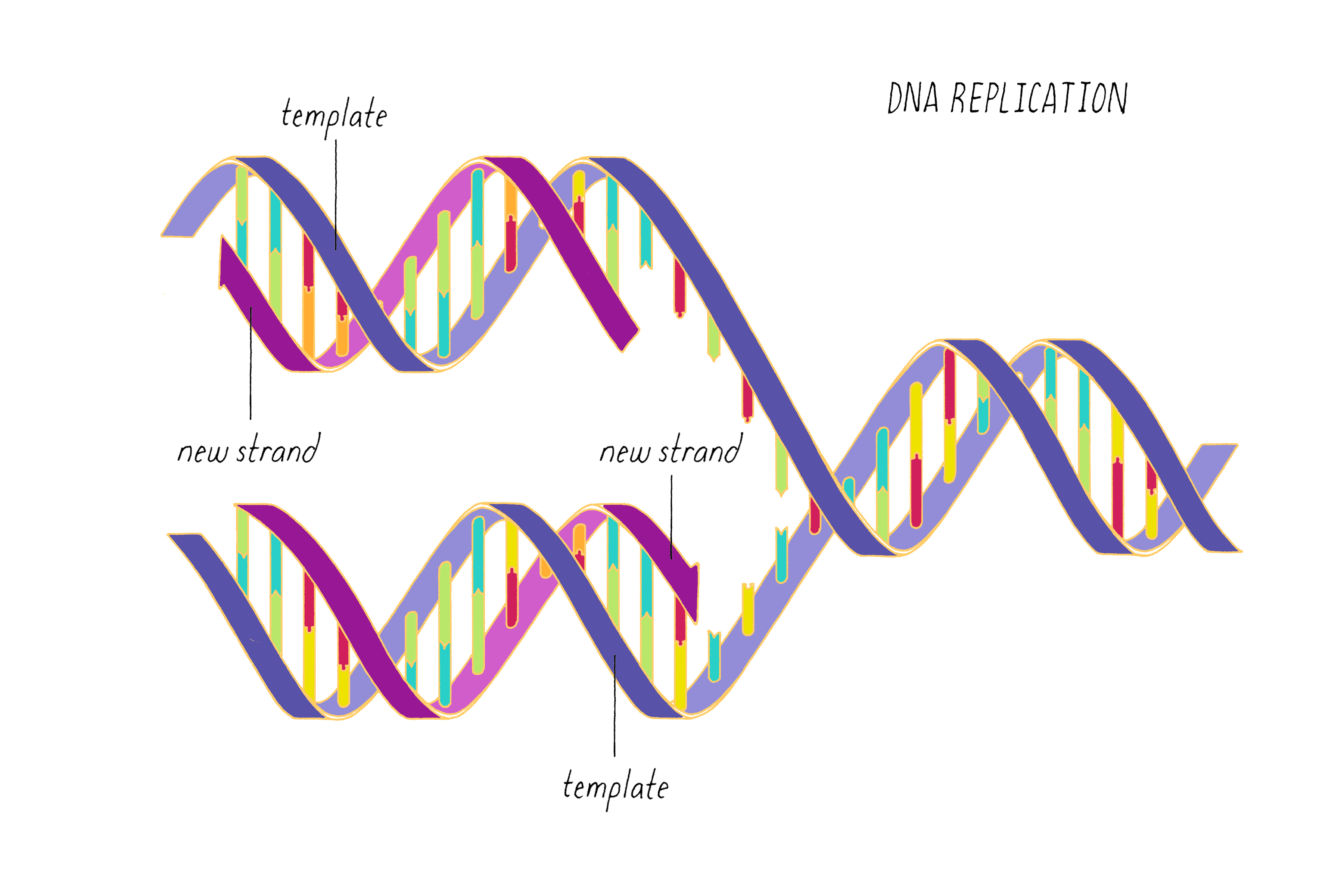
Dna Templating

DNA Helicases Structure, Types, Functions, Examples
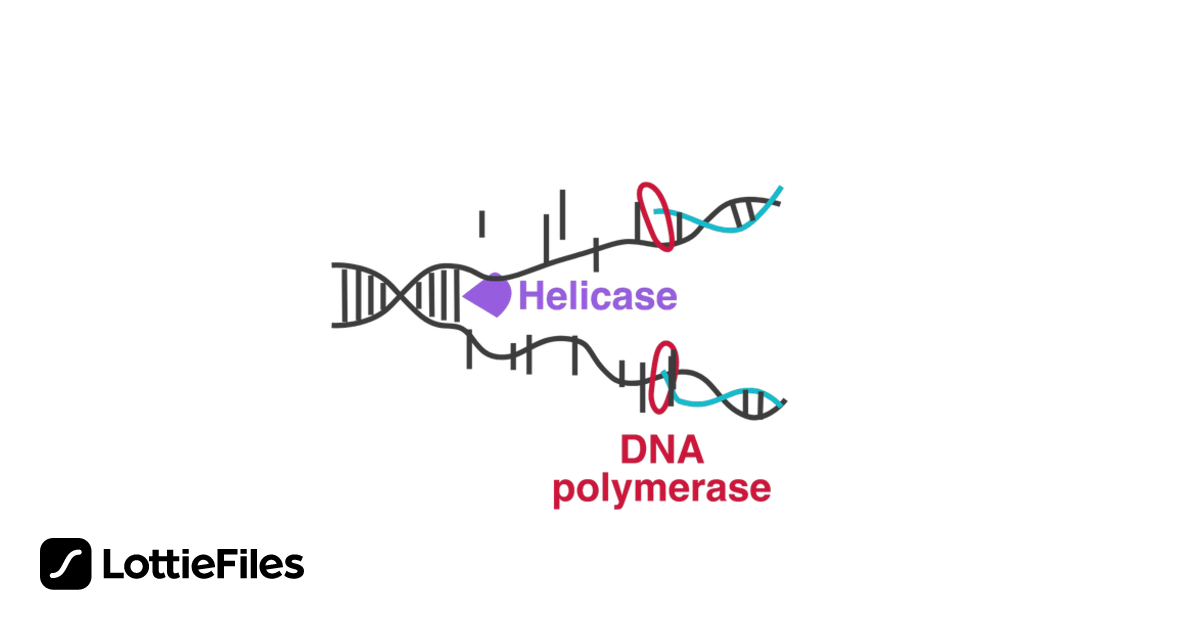
Free Which enzyme unwinds the DNA template to begin DNA replication

Unwind Dna DNA Topology Regulates PAM Cas9 Interaction And DNA

The Enzyme Uses Atp To Unwind The Dna Template
Enzyme, A Catalyst That Regulates The Rate At Which Chemical Reactions Proceed In Living Organisms Without Itself Being Altered In The Process.
Enzymes Are Proteins That Help Speed Up Chemical Reactions In Our Bodies.
Enzyme Is A Repository Of Information Relative To The Nomenclature Of Enzymes.
Ions Are Inorganic Molecules That Loosely Bond With The Enzyme To Ensure It Can Function.
Related Post: