
Vomiting Reindeer Template
Vomiting Reindeer Template - Vomiting is the forcible voluntary or involuntary emptying of stomach contents. What should you eat after throwing up? Learn about causes, treatment, and when to be concerned. To stop throwing up, stick to bland foods, sip clear fluids often, and steer clear of strong smells. Nausea is an uneasiness of the stomach that often comes before vomiting. After vomiting, recovery usually comes down to the same basic questions: You can use home remedies and medications to relieve vomiting quickly. Nausea and vomiting are symptoms of many conditions. Motion sickness and drinking alcohol are among the many common causes of nausea and vomiting. Vomiting is your body’s way of getting rid of something harmful in the stomach or a response to irritation in the gut. Learn how to manage nausea, stop vomiting, and prevent dehydration. What should you eat after throwing up? Motion sickness and drinking alcohol are among the many common causes of nausea and vomiting. Vomiting is the forcible voluntary or involuntary emptying of stomach contents. Vomiting, diarrhea and stomach cramps usually start 12 to 48 hours after exposure. After vomiting, recovery usually comes down to the same basic questions: You can use home remedies and medications to relieve vomiting quickly. Nausea and vomiting are symptoms of many conditions. Vomiting is your body’s way of getting rid of something harmful in the stomach or a response to irritation in the gut. Learn more about what can cause you to. Learn about causes, treatment, and when to be concerned. Nausea and vomiting are symptoms of many conditions. What should you eat after throwing up? Vomiting is your body’s way of getting rid of something harmful in the stomach or a response to irritation in the gut. Nausea is an uneasiness of the stomach that often comes before vomiting. Vomiting is when your body expels what’s in your stomach, sending it upward through your esophagus and then out of your mouth. Learn more about what can cause you to vomit, along with treatment. Some people only complain of. What should you eat after throwing up? To stop throwing up, stick to bland foods, sip clear fluids often, and steer. What should you eat after throwing up? Learn how to manage nausea, stop vomiting, and prevent dehydration. Learn about causes, treatment, and when to be concerned. It’s a key symptom of several diseases and medical. There are many causes of vomiting, including viral infections, food poisoning, pregnancy, and medications. After vomiting, recovery usually comes down to the same basic questions: Some people only complain of. Nausea is an uneasiness of the stomach that often comes before vomiting. Vomiting is when your body expels what’s in your stomach, sending it upward through your esophagus and then out of your mouth. Vomiting, diarrhea and stomach cramps usually start 12 to 48. You can use home remedies and medications to relieve vomiting quickly. Vomiting is when your body expels what’s in your stomach, sending it upward through your esophagus and then out of your mouth. Learn more about what can cause you to vomit, along with treatment. Vomiting is the forcible voluntary or involuntary emptying of stomach contents. What should you eat. Nausea is an uneasiness of the stomach that often comes before vomiting. Nausea and vomiting are symptoms of many conditions. You can use home remedies and medications to relieve vomiting quickly. What should you eat after throwing up? Vomiting is your body’s way of getting rid of something harmful in the stomach or a response to irritation in the gut. Vomiting is when your body expels what’s in your stomach, sending it upward through your esophagus and then out of your mouth. Learn more about what can cause you to vomit, along with treatment. Nausea and vomiting are symptoms of many conditions. And what, if anything, should you drink to help settle your stomach?. You can use home remedies and. Nausea is an uneasiness of the stomach that often comes before vomiting. Learn more about what can cause you to vomit, along with treatment. Vomiting (scientifically known as emesis, and otherwise known as puking, and throwing up) [a] is the forceful expulsion of the contents of one's stomach through the mouth and sometimes the nose. And what, if anything, should. Vomiting is the forcible voluntary or involuntary emptying of stomach contents. Serious diseases can also have this effect. There are many causes of vomiting, including viral infections, food poisoning, pregnancy, and medications. Motion sickness and drinking alcohol are among the many common causes of nausea and vomiting. Nausea is an uneasiness of the stomach that often comes before vomiting. Learn more about what can cause you to vomit, along with treatment. Vomiting is when your body expels what’s in your stomach, sending it upward through your esophagus and then out of your mouth. Serious diseases can also have this effect. Norovirus is the most common cause of food poisoning in the u.s. Vomiting, diarrhea and stomach cramps usually start. What should you eat after throwing up? Vomiting is when your body expels what’s in your stomach, sending it upward through your esophagus and then out of your mouth. You can use home remedies and medications to relieve vomiting quickly. And what, if anything, should you drink to help settle your stomach?. Nausea is an uneasiness of the stomach that. Learn about causes, treatment, and when to be concerned. Learn more about what can cause you to vomit, along with treatment. Vomiting is the forcible voluntary or involuntary emptying of stomach contents. There are many causes of vomiting, including viral infections, food poisoning, pregnancy, and medications. After vomiting, recovery usually comes down to the same basic questions: Learn how to manage nausea, stop vomiting, and prevent dehydration. After vomiting, recovery usually comes down to the same basic questions: What should you eat after throwing up? Motion sickness and drinking alcohol are among the many common causes of nausea and vomiting. Serious diseases can also have this effect. It’s a key symptom of several diseases and medical. And what, if anything, should you drink to help settle your stomach?. Learn how to manage nausea, stop vomiting, and prevent dehydration. Nausea is an uneasiness of the stomach that often comes before vomiting. What should you eat after throwing up? Vomiting, diarrhea and stomach cramps usually start 12 to 48 hours after exposure. Vomiting (scientifically known as emesis, and otherwise known as puking, and throwing up) [a] is the forceful expulsion of the contents of one's stomach through the mouth and sometimes the nose. There are many causes of vomiting, including viral infections, food poisoning, pregnancy, and medications. And what,. Serious diseases can also have this effect. Nausea and vomiting are symptoms of many conditions. Vomiting is your body’s way of getting rid of something harmful in the stomach or a response to irritation in the gut. Vomiting is when your body expels what’s in your stomach, sending it upward through your esophagus and then out of your mouth. Motion. Learn how to manage nausea, stop vomiting, and prevent dehydration. Vomiting (scientifically known as emesis, and otherwise known as puking, and throwing up) [a] is the forceful expulsion of the contents of one's stomach through the mouth and sometimes the nose. There are many causes of vomiting, including viral infections, food poisoning, pregnancy, and medications. Nausea and vomiting are symptoms. And what, if anything, should you drink to help settle your stomach?. What should you eat after throwing up? Vomiting is when your body expels what’s in your stomach, sending it upward through your esophagus and then out of your mouth. Vomiting (scientifically known as emesis, and otherwise known as puking, and throwing up) [a] is the forceful expulsion of. Nausea is an uneasiness of the stomach that often comes before vomiting. Motion sickness and drinking alcohol are among the many common causes of nausea and vomiting. Vomiting is your body’s way of getting rid of something harmful in the stomach or a response to irritation in the gut. Learn how to manage nausea, stop vomiting, and prevent dehydration. What. After vomiting, recovery usually comes down to the same basic questions: Some people only complain of. Learn how to manage nausea, stop vomiting, and prevent dehydration. Vomiting (scientifically known as emesis, and otherwise known as puking, and throwing up) [a] is the forceful expulsion of the contents of one's stomach through the mouth and sometimes the nose. Serious diseases can. Vomiting, diarrhea and stomach cramps usually start 12 to 48 hours after exposure. Vomiting is the forcible voluntary or involuntary emptying of stomach contents. Vomiting (scientifically known as emesis, and otherwise known as puking, and throwing up) [a] is the forceful expulsion of the contents of one's stomach through the mouth and sometimes the nose. To stop throwing up, stick. Vomiting, diarrhea and stomach cramps usually start 12 to 48 hours after exposure. Learn about causes, treatment, and when to be concerned. After vomiting, recovery usually comes down to the same basic questions: Nausea is an uneasiness of the stomach that often comes before vomiting. Learn how to manage nausea, stop vomiting, and prevent dehydration. To stop throwing up, stick to bland foods, sip clear fluids often, and steer clear of strong smells. You can use home remedies and medications to relieve vomiting quickly. Vomiting, diarrhea and stomach cramps usually start 12 to 48 hours after exposure. And what, if anything, should you drink to help settle your stomach?. Learn about causes, treatment, and when. Some people only complain of. You can use home remedies and medications to relieve vomiting quickly. Learn more about what can cause you to vomit, along with treatment. It’s a key symptom of several diseases and medical. There are many causes of vomiting, including viral infections, food poisoning, pregnancy, and medications. What should you eat after throwing up? Vomiting is your body’s way of getting rid of something harmful in the stomach or a response to irritation in the gut. Learn about causes, treatment, and when to be concerned. After vomiting, recovery usually comes down to the same basic questions: Vomiting is when your body expels what’s in your stomach, sending. Serious diseases can also have this effect. Learn about causes, treatment, and when to be concerned. Vomiting is the forcible voluntary or involuntary emptying of stomach contents. To stop throwing up, stick to bland foods, sip clear fluids often, and steer clear of strong smells. Vomiting, diarrhea and stomach cramps usually start 12 to 48 hours after exposure. Learn more about what can cause you to vomit, along with treatment. Vomiting is the forcible voluntary or involuntary emptying of stomach contents. Nausea and vomiting are symptoms of many conditions. Serious diseases can also have this effect. Learn how to manage nausea, stop vomiting, and prevent dehydration. You can use home remedies and medications to relieve vomiting quickly. Vomiting (scientifically known as emesis, and otherwise known as puking, and throwing up) [a] is the forceful expulsion of the contents of one's stomach through the mouth and sometimes the nose. Vomiting, diarrhea and stomach cramps usually start 12 to 48 hours after exposure. And what, if anything, should. Some people only complain of. After vomiting, recovery usually comes down to the same basic questions: Motion sickness and drinking alcohol are among the many common causes of nausea and vomiting. Nausea and vomiting are symptoms of many conditions. Learn about causes, treatment, and when to be concerned. What should you eat after throwing up? Learn more about what can cause you to vomit, along with treatment. Serious diseases can also have this effect. Vomiting, diarrhea and stomach cramps usually start 12 to 48 hours after exposure. Vomiting is the forcible voluntary or involuntary emptying of stomach contents. Learn more about what can cause you to vomit, along with treatment. Vomiting (scientifically known as emesis, and otherwise known as puking, and throwing up) [a] is the forceful expulsion of the contents of one's stomach through the mouth and sometimes the nose. What should you eat after throwing up? Nausea is an uneasiness of the stomach that often comes. What should you eat after throwing up? Nausea is an uneasiness of the stomach that often comes before vomiting. Vomiting is your body’s way of getting rid of something harmful in the stomach or a response to irritation in the gut. Norovirus is the most common cause of food poisoning in the u.s. Learn more about what can cause you. There are many causes of vomiting, including viral infections, food poisoning, pregnancy, and medications. Learn how to manage nausea, stop vomiting, and prevent dehydration. What should you eat after throwing up? Vomiting (scientifically known as emesis, and otherwise known as puking, and throwing up) [a] is the forceful expulsion of the contents of one's stomach through the mouth and sometimes. To stop throwing up, stick to bland foods, sip clear fluids often, and steer clear of strong smells. Serious diseases can also have this effect. Norovirus is the most common cause of food poisoning in the u.s. Vomiting is your body’s way of getting rid of something harmful in the stomach or a response to irritation in the gut. Some people only complain of. Nausea is an uneasiness of the stomach that often comes before vomiting. After vomiting, recovery usually comes down to the same basic questions: What should you eat after throwing up? It’s a key symptom of several diseases and medical. Vomiting, diarrhea and stomach cramps usually start 12 to 48 hours after exposure. You can use home remedies and medications to relieve vomiting quickly. Motion sickness and drinking alcohol are among the many common causes of nausea and vomiting. Nausea and vomiting are symptoms of many conditions. Learn more about what can cause you to vomit, along with treatment. Vomiting is when your body expels what’s in your stomach, sending it upward through your esophagus and then out of your mouth. There are many causes of vomiting, including viral infections, food poisoning, pregnancy, and medications.
Printable Vomiting Reindeer Template

Vomiting Reindeer Template Printable Word Searches

Reindeer Throwing Up Template Best Templates Resources

Puking Reindeer Template Employee Onboarding Template
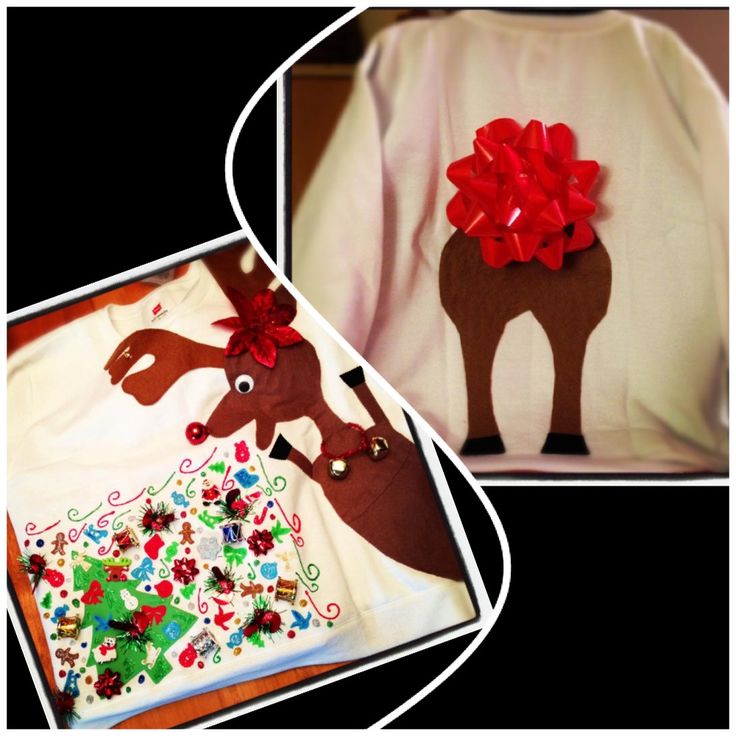
Reindeer Throwing Up Template
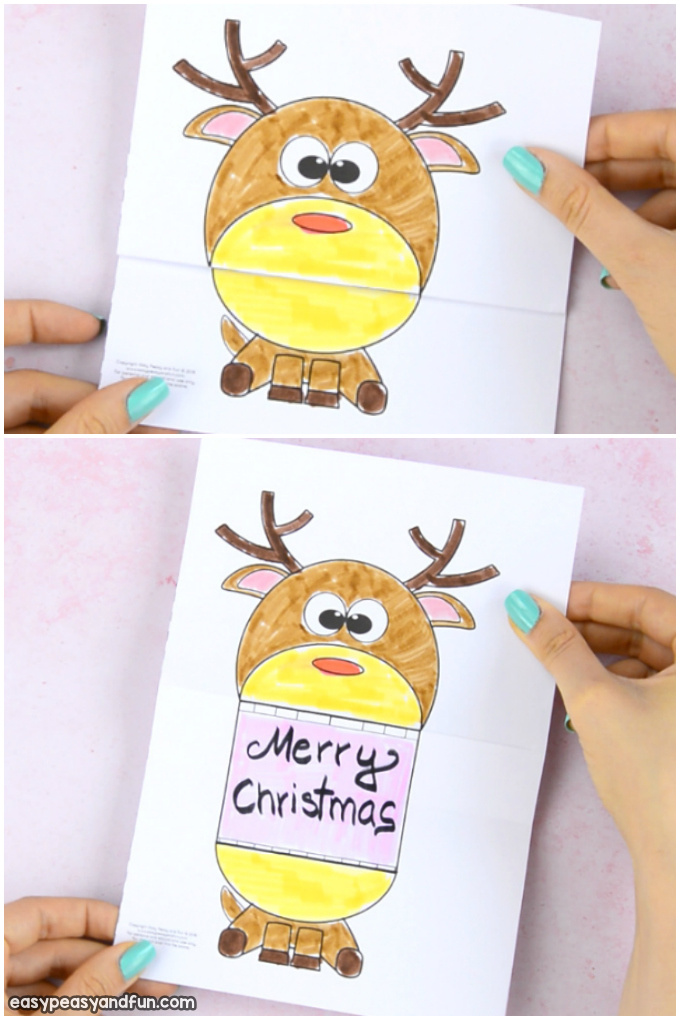
Printable Vomiting Reindeer Template
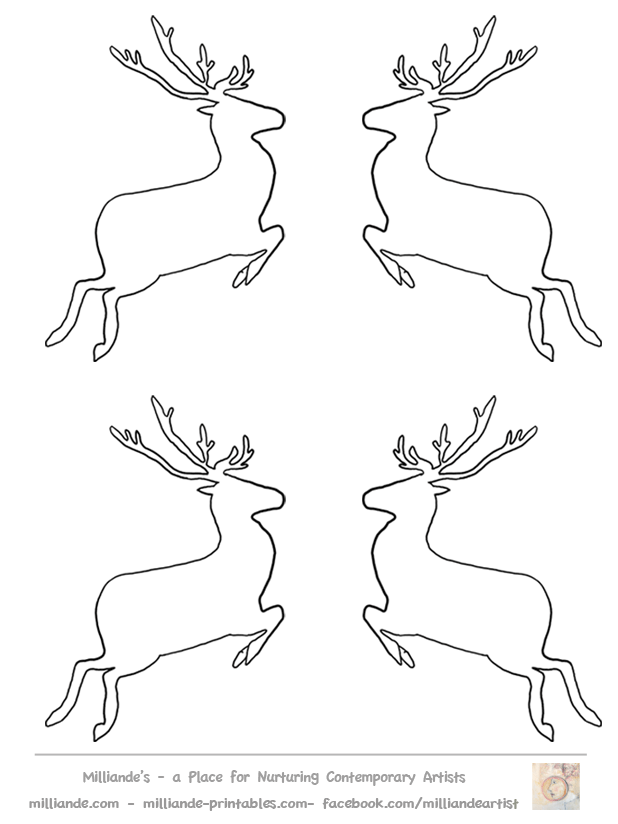
Printable Vomiting Reindeer Template, Web it doesn’t get much uglier

Printable Vomiting Reindeer Template

Printable Vomiting Reindeer Template
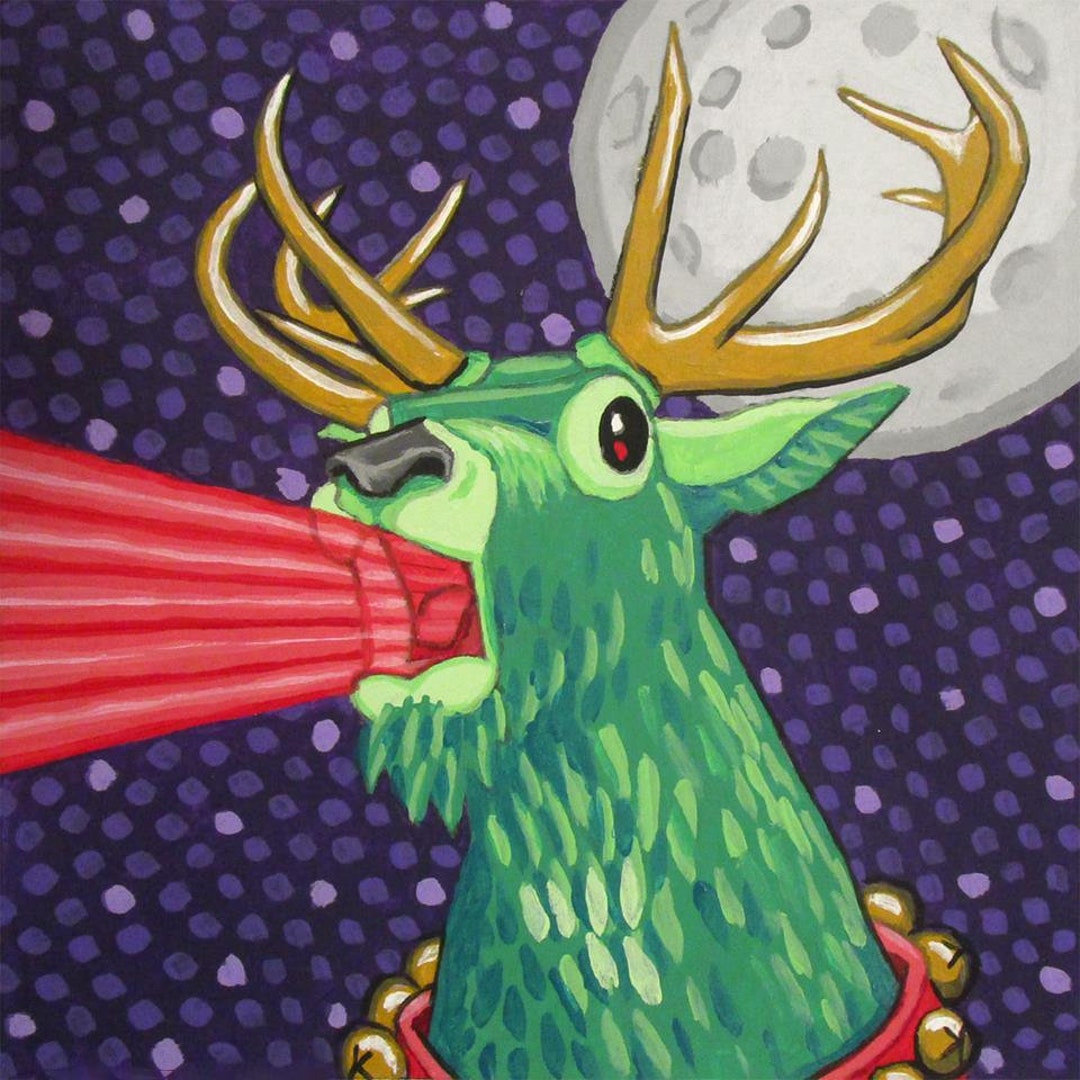
Reindeer Vomit Print Etsy
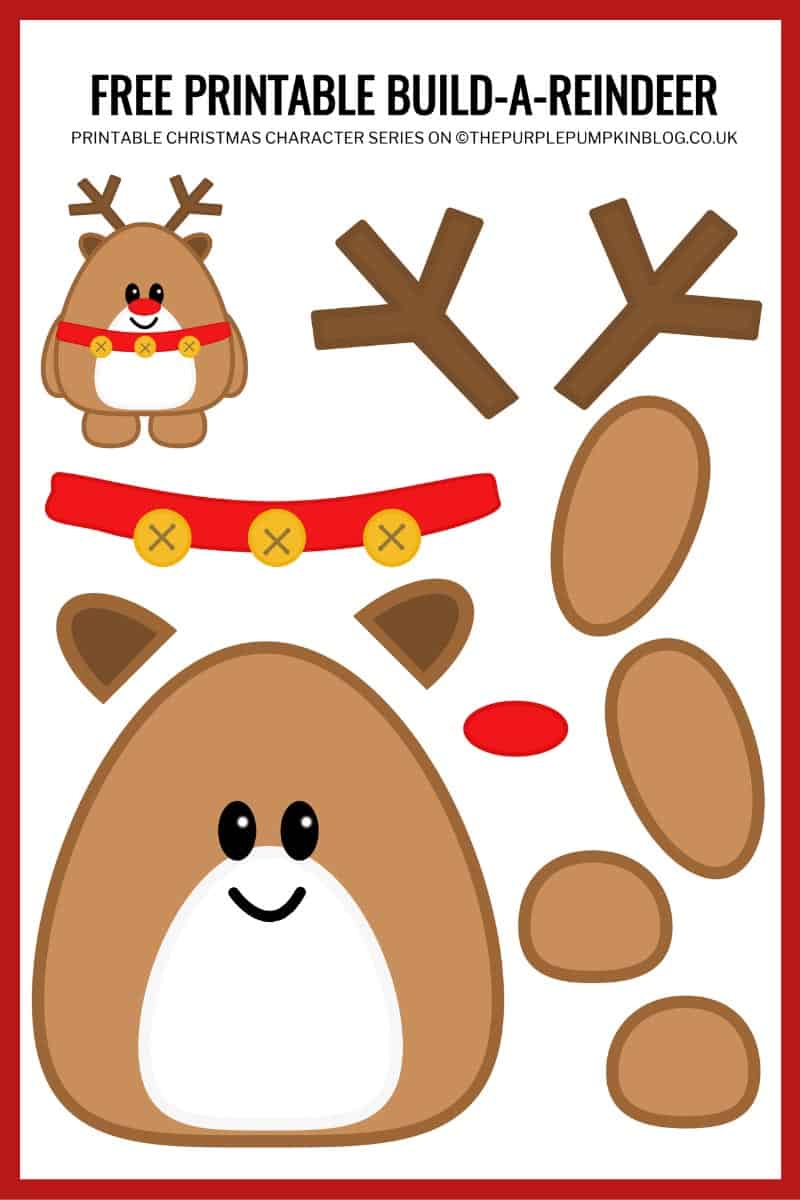
Reindeer Print Out
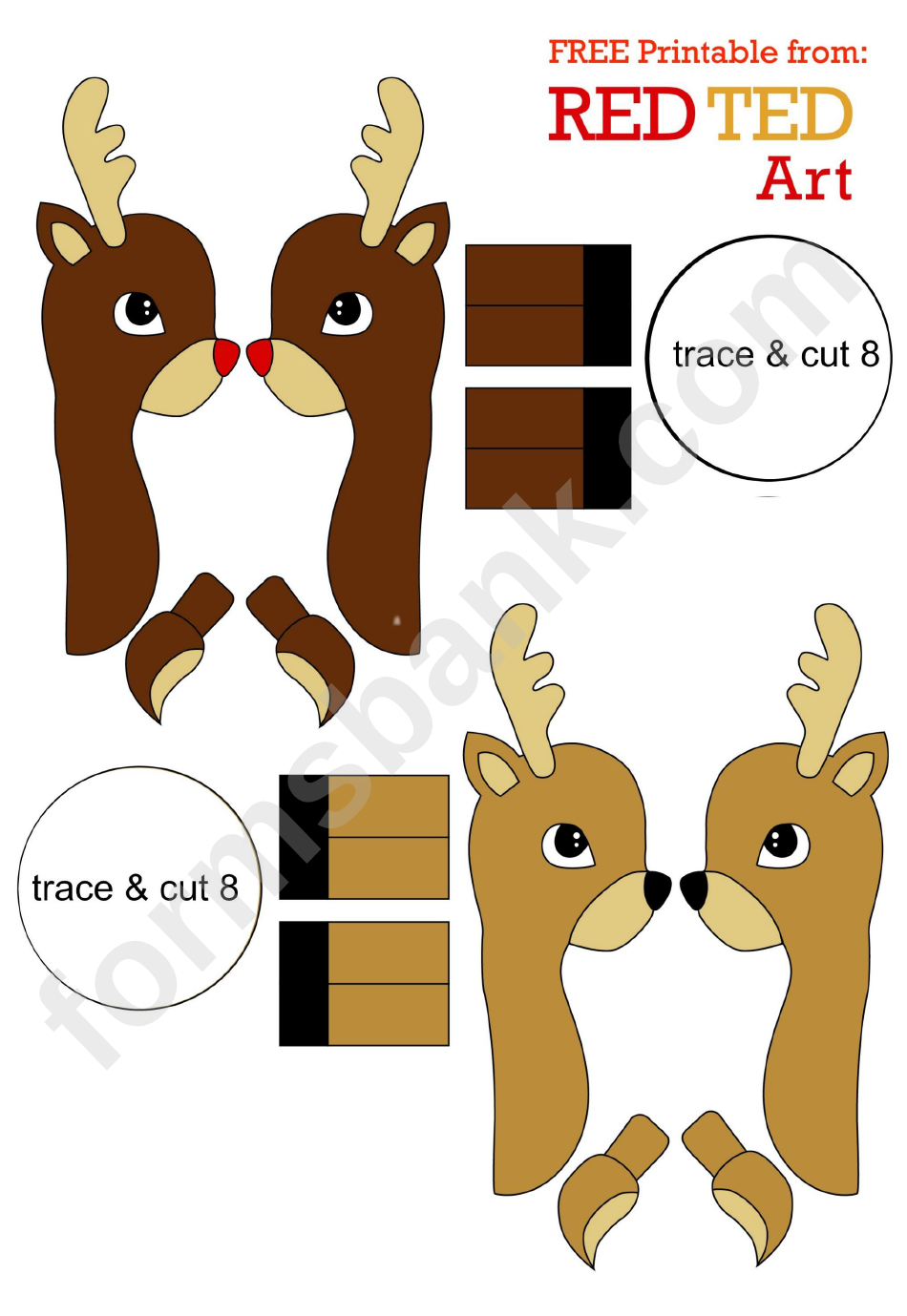
Vomiting Reindeer Template

Diy Christmas ugly sweater reindeer vomit bahumbug lights

Reindeer Throwing Up Printable Printable Calendars AT A GLANCE

Reindeer Body Template

Printable Vomiting Reindeer Template
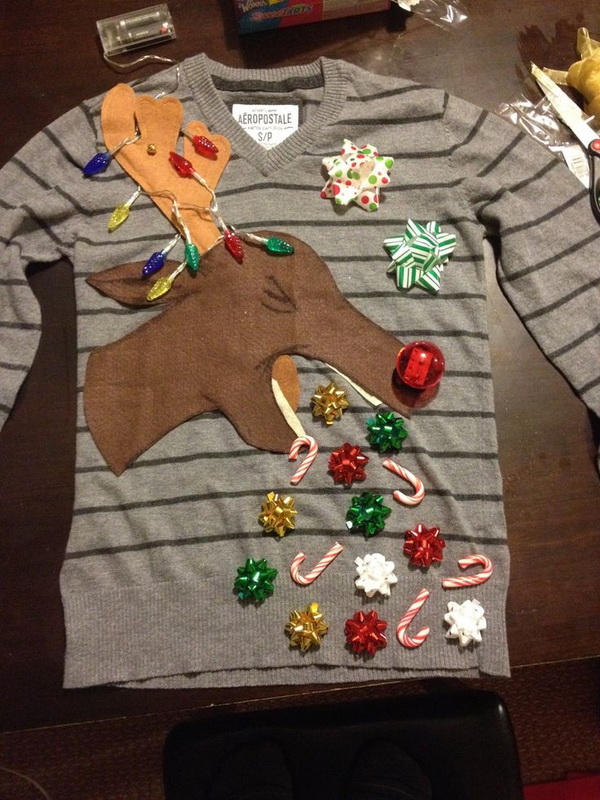
20 Ugly Christmas Sweater Party Ideas Styletic

Printable Vomiting Reindeer Template

Printable Vomiting Reindeer Template, Web it doesn’t get much uglier
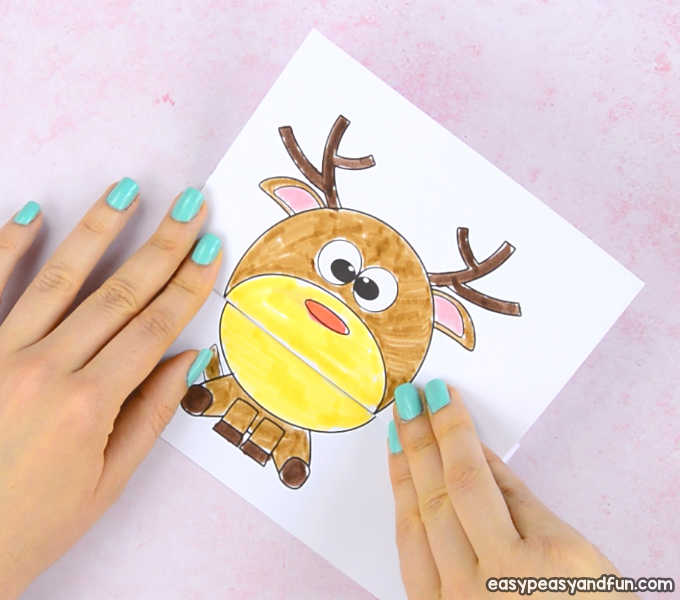
Printable Vomiting Reindeer Template

Printable Vomiting Reindeer Template

Vomiting Reindeer Template

Printable Vomiting Reindeer Template Printable Calendars AT A GLANCE

Printable Vomiting Reindeer Template Printable And Enjoyable Learning

Vomiting Reindeer Svg, Png, Funny Adult Christmas Shirt Svg, Man, Woman

Reindeer Throwing Up Template atelieryuwa.ciao.jp

Printable Vomiting Reindeer Template

Reindeer Vomit Cotton Candy Gears Out
Printable Vomiting Reindeer Template

Vomiting Reindeer Sweater Etsomnia™ Volume 71 Ugly (Christmas)
Printable Vomiting Reindeer Template

Printable Vomiting Reindeer Template

Vomiting Reindeer Svg, Funny Christmas Svg, Christmas Deer

Vomiting Reindeer Template
Printable Vomiting Reindeer Template
Vomiting (Scientifically Known As Emesis, And Otherwise Known As Puking, And Throwing Up) [A] Is The Forceful Expulsion Of The Contents Of One's Stomach Through The Mouth And Sometimes The Nose.
And What, If Anything, Should You Drink To Help Settle Your Stomach?.
Learn How To Manage Nausea, Stop Vomiting, And Prevent Dehydration.
Learn About Causes, Treatment, And When To Be Concerned.
Related Post: